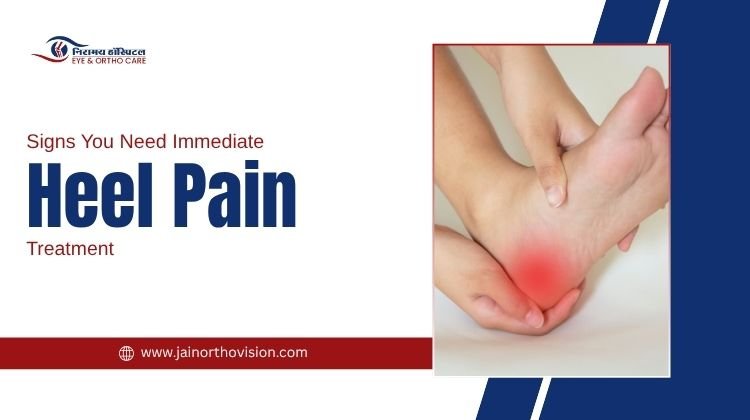

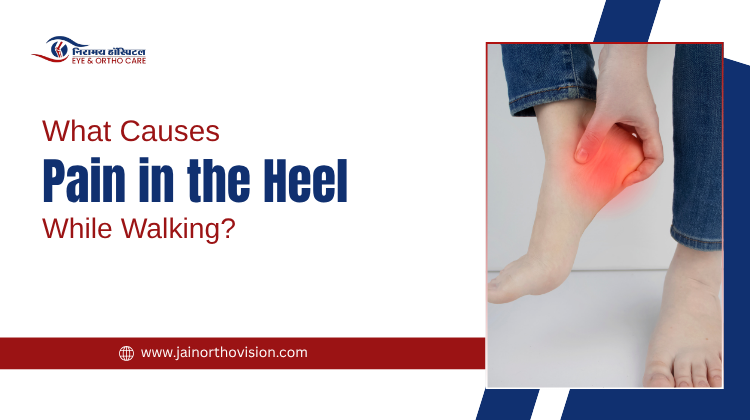
Pain in the heel while walking most often comes from plantar fasciitis, the inflammation of the tissue band running along the bottom of the foot, though Achilles tendinitis, heel spurs, and stress fractures can all produce similar symptoms. Every step you take sends two to three times your body weight through your heel, so it is little surprise this small area of the foot is prone to overuse injuries.
At Niramaya Hospital, we see patients whose heel pain ranges from mild first-step soreness in the morning to pain severe enough to limit walking altogether. This guide explains the most common causes, how their symptoms differ, and what treatment typically involves.
Understanding Why the Heel Is Prone to Pain
The heel absorbs an enormous amount of force with every step, distributed across a small stack of structures: the heel bone, a cushioning fat pad, the plantar fascia running forward toward the toes, and the Achilles tendon anchoring behind. When any one of these structures becomes overloaded, walking itself becomes the activity that keeps aggravating the injury.
This is why pain in the heel while walking often does not resolve on its own the way a simple bruise might, since the repetitive stress of normal daily movement continues to strain the already irritated tissue.
Plantar Fasciitis: The Most Common Cause

Plantar fasciitis is the leading cause of heel pain, responsible for the majority of cases seen by doctors. It develops when the plantar fascia, the thick band of tissue connecting the heel bone to the toes, becomes inflamed or develops small tears from repeated stress.
The hallmark symptom is a sharp, stabbing pain on the bottom of the heel, typically worst with your very first steps in the morning or after sitting for a long period. The pain often eases somewhat as you continue walking, only to return after prolonged standing or activity later in the day.
Achilles Tendinitis: Pain at the Back of the Heel
Unlike plantar fasciitis, which causes pain under the heel, Achilles tendinitis produces pain at the back of the heel where the Achilles tendon attaches to the heel bone. This tendon connects the calf muscles to the foot and plays a major role in pushing off the ground while walking or running.
Achilles tendinitis typically develops from overuse, particularly after a sudden increase in walking, running, or standing activity without adequate recovery time. Pain often worsens with continued walking, climbing stairs, or wearing shoes that rub against the back of the heel.
Heel Spurs and Bursitis
A heel spur is a calcium deposit that forms on the underside of the heel bone, often developing alongside long-term plantar fascia strain. While heel spurs are not always painful on their own, they frequently accompany plantar fasciitis and can contribute to overall heel discomfort.
Bursitis, inflammation of the small fluid-filled sacs that cushion the heel, is another possible contributor to pain in the heel while walking. This condition often causes tenderness that worsens specifically when pressure is applied to the heel, such as during the impact of each step.
Other Possible Causes of Heel Pain
While plantar fasciitis and Achilles tendinitis account for most cases, several other conditions can also produce heel pain during walking.
- Stress fractures: Small cracks in the heel bone from repetitive impact, often in runners or those who suddenly increase activity
- Nerve entrapment: Compression of a nerve near the heel or ankle, sometimes causing burning or tingling pain
- Unsupportive footwear: Shoes lacking proper arch support or cushioning can contribute to or worsen heel pain
- Flat feet or high arches: Both foot structures can place uneven stress on the plantar fascia and heel
- Growth-related heel pain in children: A condition called Sever’s disease affects active children and adolescents specifically
Identifying which of these applies to your specific case is essential, since treatment approaches differ considerably between them.
How Timing Helps Identify the Cause
The pattern and timing of your heel pain offers valuable clues about its underlying cause, often before any imaging is even needed. Sharp pain with your very first steps in the morning strongly suggests plantar fasciitis.
Pain that worsens the longer you continue walking, rather than easing after the first few steps, more often points toward a stress fracture or nerve-related problem. Pain specifically at the back of the heel that intensifies with continued activity is more characteristic of Achilles tendinitis than plantar fasciitis.
When Should You See a Doctor for Heel Pain?
Occasional mild heel discomfort, particularly after unfamiliar activity, often improves within a couple of weeks with basic home care. Certain signs, however, indicate it is time to schedule a proper evaluation rather than continuing to manage symptoms alone.
- Pain persisting more than two to three weeks despite rest and home care
- Pain accompanied by swelling, redness, or warmth in the heel
- Difficulty walking or putting weight on the affected foot
- Heel pain that continues even at rest, not just during activity
- Pain following a specific injury or sudden increase in activity level
An experienced orthopedic doctor in Kota can determine whether your heel pain stems from a straightforward overuse injury or a condition that needs more targeted treatment.
How Is Heel Pain Diagnosed?
Diagnosing the cause of heel pain typically starts with a physical examination, where the doctor checks for tenderness, swelling, and specific pain patterns during movement. This initial assessment often narrows down the likely cause considerably.
When further clarity is needed, imaging can help confirm the diagnosis:
- X-rays identify heel spurs, stress fractures, or bone-related changes
- Ultrasound can assess plantar fascia thickness and inflammation
- MRI scans provide detailed images of soft tissue when the diagnosis remains unclear
A Heel Pain Specialist Doctor in Kota can combine this exam and imaging to accurately distinguish between the many possible causes of heel discomfort.
Treatment Options for Heel Pain
Most cases of heel pain respond well to conservative treatment, and surgery is rarely needed. Common approaches include:
- Rest and activity modification to reduce stress on the affected structure
- Stretching exercises for the calf muscles and plantar fascia
- Supportive footwear or orthotic inserts to reduce strain during walking
- Ice application to manage inflammation after activity
- Anti-inflammatory medication for pain and swelling relief
- Night splints to gently stretch the plantar fascia and Achilles tendon overnight
- Physical therapy to address underlying strength or flexibility imbalances
For patients specifically dealing with plantar fasciitis, a structured Plantar Fasciitis Treatment Kota plan can combine several of these approaches to address both the pain and the underlying biomechanical cause.
When Is Surgery Considered for Heel Pain?
Surgery for heel pain is uncommon and generally reserved for cases that do not improve after several months of consistent conservative treatment. In these situations, procedures like a plantar fasciotomy, which releases tension in the plantar fascia, or removal of a problematic heel spur, may be considered.
Achilles tendon surgery is similarly reserved for severe, persistent cases, sometimes involving removal of damaged tendon tissue. An experienced orthopedic surgeon in Kota will only recommend surgical options after conservative treatment has genuinely been given adequate time to work.
Why Choose Niramaya Hospital for Heel Pain Treatment in Kota
Effective Heel Pain Treatment in Kota starts with accurately identifying which structure, whether the plantar fascia, Achilles tendon, or heel bone itself, is behind your specific discomfort. Niramaya Hospital combines a detailed physical assessment with imaging when needed, rather than assuming a generic diagnosis based on symptoms alone.
As a trusted Kota best orthopedic doctor practice, our team walks patients through realistic treatment timelines and options, since most heel pain genuinely does improve with consistent, appropriately targeted conservative care.
Frequently Asked Questions About Heel Pain While Walking
1. Why does my heel hurt most with my first steps in the morning?
This pattern is a classic sign of plantar fasciitis, since the plantar fascia tightens overnight and is suddenly stretched when you take your first steps after waking up.
2. Can heel pain go away on its own without treatment?
Mild heel pain from minor overuse can sometimes improve with rest, but persistent pain lasting more than two to three weeks generally benefits from proper evaluation and targeted treatment.
3. What is the difference between plantar fasciitis and Achilles tendinitis?
Plantar fasciitis causes pain under the heel, typically worst with first steps, while Achilles tendinitis causes pain at the back of the heel that often worsens with continued walking or stair climbing.
4. Do I need surgery for heel pain?
Surgery is rarely necessary for heel pain. Most cases improve significantly with conservative treatments like stretching, supportive footwear, and physical therapy over the course of several months.
5. Can shoes really cause heel pain while walking?
Yes. Unsupportive footwear lacking proper arch support or cushioning can contribute to or worsen conditions like plantar fasciitis and Achilles tendinitis, making shoe choice an important part of both prevention and treatment.
Conclusion
Understanding what causes pain in the heel while walking, whether plantar fasciitis, Achilles tendinitis, heel spurs, or another condition, is the key first step toward finding effective relief. With the right diagnosis and a consistent conservative treatment plan, most people see significant improvement without ever needing surgery.
If heel pain is interfering with your daily walking or activity, do not wait for it to worsen before seeking help. Book a consultation with Niramaya Hospital and let our experienced team identify the exact cause of your heel pain and recommend a treatment plan that actually works. Call us today or visit our clinic to schedule an appointment.