Yes, cataract surgery is safe for elderly patients, including those in their 80s and 90s. It is one of the most common and successful surgeries performed today, with success rates above 95%. Age alone is never a reason to avoid cataract surgery, and most patients notice clearer vision within a few days of the procedure.
At Niramaya Hospital, one of the best eye hospital in Kota, we regularly perform cataract surgery on senior patients with underlying health conditions like diabetes and high blood pressure. This guide explains how the procedure works, what risks to expect, and how to prepare an elderly loved one for a safe recovery.
What Is Cataract Surgery and How Does It Work?
A cataract forms when the natural lens of the eye becomes cloudy, causing blurry vision, glare, and trouble seeing at night. Cataract surgery removes this cloudy lens and replaces it with a clear artificial lens called an intraocular lens (IOL).
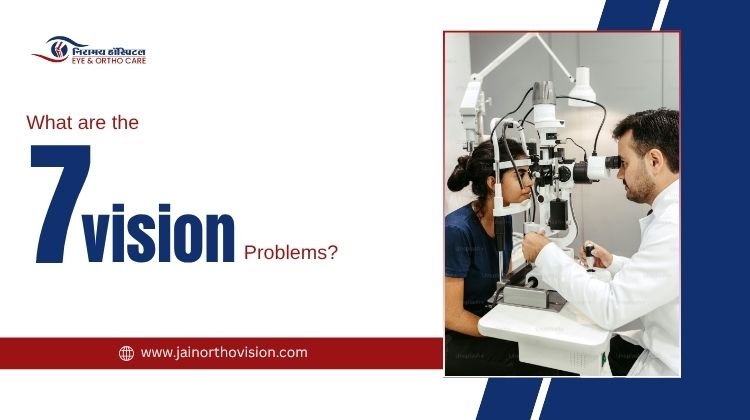
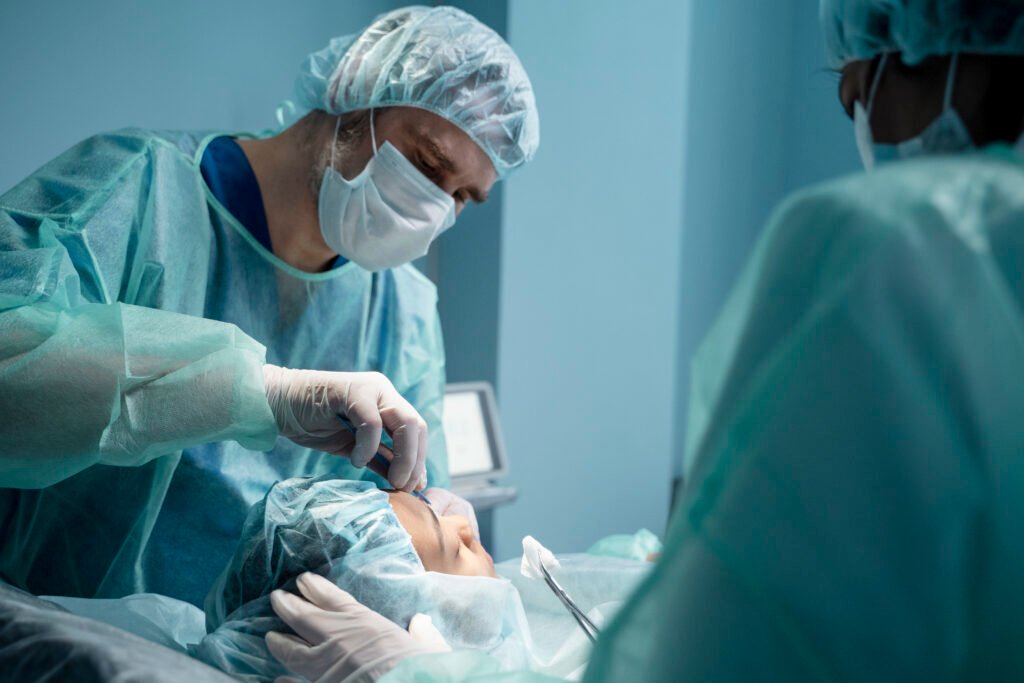
The most common technique, phacoemulsification, uses a small ultrasonic probe to break up the cloudy lens before removing it through a tiny incision. The entire procedure usually takes about 15 to 20 minutes per eye and is done on an outpatient basis, so patients go home the same day.
Most patients only need numbing eye drops, not full anesthesia. This makes the procedure gentler on the body, which is one reason it is so well tolerated by older adults.
Is Cataract Surgery Safe for Elderly Patients? What the Evidence Shows
According to the American Academy of Ophthalmology, the eye is largely isolated from the rest of the body’s systems, so health issues elsewhere have little effect on how the eye heals after surgery. This is a key reason cataract surgery carries a much lower risk profile than many other surgeries performed on older adults.
Research published in medical journals has also found that patients aged 80 and above show meaningful improvement in vision and daily function after cataract surgery, with complication rates remaining low even in this age group. There is no upper age limit for the procedure. Surgeons have safely operated on patients in their 90s with excellent outcomes.
A few reasons cataract surgery is considered low-risk for seniors:
- Local anesthesia (eye drops) means minimal strain on the heart and lungs.
- Blood thinners usually do not need to be stopped before surgery.
- The surgery does not require general anesthesia in most cases.
- Recovery is typically fast, often within one to two weeks.
Common Risks and Complications to Be Aware Of
No surgery is completely without risk, and cataract surgery is no exception. However, serious complications are rare, occurring in a small percentage of cases, and most are treatable when caught early.
Possible risks include:
- Mild inflammation or infection inside the eye
- Swelling of the cornea or retina
- Increased eye pressure, which can lead to glaucoma if untreated
- Posterior capsule opacity, sometimes called a secondary cataract, which can develop months or years later and is treated with a quick laser procedure
Choosing an experienced ophthalmologist in Kota and following post-surgery instructions carefully lowers these risks significantly. Regular follow-up visits allow your eye doctor to catch and treat any issue early.
Health Conditions That Need Extra Care Before Surgery
While cataract surgery is safe for most elderly patients, certain health conditions require careful planning before the procedure. Your eye doctor will review your full medical history and current medications before scheduling surgery.
| Condition | Why It Matters | What Your Doctor Will Do |
| Diabetes | Can slow healing and affect retinal health | Check blood sugar control and retinal health before surgery |
| High blood pressure | Needs to be stable during the procedure | Confirm blood pressure is well managed |
| Arthritis | Can make lying flat during surgery difficult | Adjust positioning and surgery time |
| Blood thinners | May slightly raise bleeding risk | Usually continued, but discussed case by case |
| Glaucoma | Can complicate eye pressure management | Coordinate treatment plan with a specialist |
Benefits of Cataract Surgery for Elderly Patients
Beyond clearer vision, cataract surgery offers several benefits that directly improve quality of life for seniors.
- Reduced risk of falls and injuries caused by poor vision
- Greater independence in daily tasks like reading, cooking, and walking
- Improved ability to recognize faces and read medication labels correctly
- Better mood and reduced feelings of isolation, since clearer vision makes it easier to stay socially active
- Continued ability to drive safely, where medically appropriate
Studies have linked improved vision after cataract surgery in Kota to better mental health outcomes in older adults, including lower rates of depression linked to vision loss.
What to Expect Before, During, and After Cataract Surgery
Before surgery: Your eye doctor will perform a detailed eye exam, measure the eye to select the right artificial lens, and review your medical history and medications.
During surgery: The procedure takes about 15 to 20 minutes per eye. You will be awake but comfortable, with numbing drops preventing any pain.
After surgery: Mild irritation, light sensitivity, or blurry vision for a day or two is normal. Most patients return to daily activities within a week, avoiding heavy lifting and eye rubbing during recovery.
Quick Recovery Checklist
- Use prescribed eye drops exactly as directed
- Avoid rubbing or pressing on the eye
- Wear the protective eye shield while sleeping for the first few nights
- Avoid swimming, dusty environments, and heavy lifting for two to three weeks
- Attend all follow-up appointments
Choosing the Right Eye Doctor in Kota for Cataract Surgery
Outcomes after cataract surgery depend heavily on the skill of the surgeon and the quality of pre- and post-operative care. When searching for an eye doctor in Kota, look for a team with experience treating elderly patients and managing conditions like diabetes and glaucoma alongside cataract care.
Niramaya Hospital is trusted as the best eye hospital in Kota for elderly cataract care because our ophthalmologist in Kota team combines modern phacoemulsification technology with a patient-first approach. We take extra time with senior patients to explain the process clearly, address family concerns, and coordinate care around existing health conditions.
How Niramaya Hospital Supports Elderly Patients Through Cataract Surgery
Elderly patients often feel anxious before any surgery, and cataract surgery is no different. At Niramaya Hospital, our team spends extra time during the consultation explaining each step in simple language, so patients and their families know exactly what to expect.
We also coordinate closely with family physicians when a patient has diabetes, hypertension, or heart conditions, so cataract surgery can be scheduled safely without unnecessary delays. This collaborative approach is a key reason families across Kota trust us for senior eye care.
Frequently Asked Questions About Cataract Surgery for Elderly Patients
1. Is there an age limit for cataract surgery?
No. Cataract surgery has no upper age limit. Surgeons regularly and safely operate on patients in their 80s and 90s.
2. How long does recovery take after cataract surgery?
Most elderly patients recover within one to two weeks, though full healing and stable vision can take up to a month.
3. Can diabetic or hypertensive seniors safely undergo cataract surgery?
Yes, as long as blood sugar and blood pressure are reasonably well controlled. Your eye doctor will confirm this before scheduling cataract surgery.
4. Is cataract surgery painful for elderly patients?
No. Numbing eye drops are used, and most patients feel only mild pressure, not pain, during the procedure.
5. What happens if cataracts are left untreated in elderly patients?
Untreated cataracts can lead to worsening vision loss, increased risk of falls, and in advanced cases, complications like glaucoma. Early treatment with cataract surgery prevents these outcomes.
Conclusion
Cataract surgery is a safe, well-tested, and highly effective procedure for elderly patients, including those with common age-related health conditions. With proper evaluation, an experienced surgical team, and good post-surgery care, seniors can regain clear vision and independence with minimal risk.
If you or an elderly family member are dealing with blurry vision, glare, or difficulty reading, do not wait. Book a consultation with Niramaya Hospital, the best eye hospital in Kota, and speak with our experienced ophthalmologist in Kota to find out if cataract surgery is the right step toward clearer, safer, and more independent living. Call us today or visit our clinic in Kota to schedule your eye examination.