
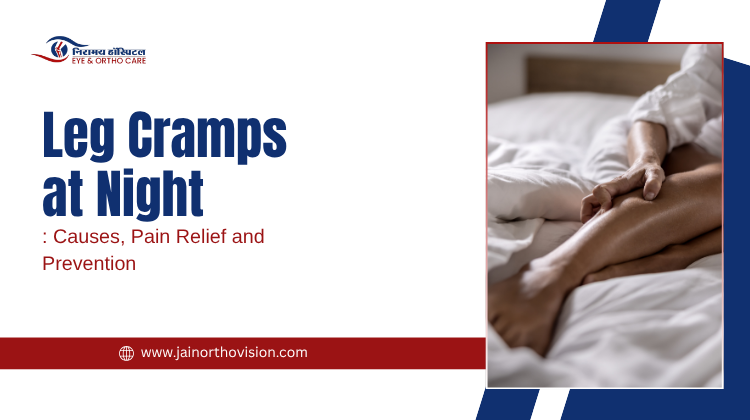
Leg cramps at night are sudden, painful muscle contractions, usually in the calf, that can wake you abruptly and last anywhere from a few seconds to fifteen minutes or more. They affect roughly half of all adults at some point, and while most cases are harmless, understanding the cause makes both relief and prevention far more effective.
At Niramaya Hospital, we help patients figure out whether their nighttime cramps stem from simple dehydration and muscle fatigue, or whether an underlying condition needs attention. This guide explains what typically causes leg cramps at night, how to stop one fast, and what to do to prevent them going forward.
What Causes Leg Cramps at Night?
The exact cause of nocturnal leg cramps often remains difficult to pinpoint, and in many cases, they occur for no clearly identifiable reason at all. That said, several factors are consistently associated with a higher likelihood of experiencing them.
- Muscle fatigue: Prolonged standing, unaccustomed exercise, or an awkward sleeping position can overwork calf muscles
- Dehydration and low electrolytes: Insufficient potassium, calcium, or magnesium can affect how muscles contract
- Prolonged sitting: Extended periods without movement during the day can contribute to cramping at night
- Pregnancy: Roughly half of pregnant women experience leg cramps, often linked to calcium and magnesium needs
- Certain medications: Diuretics, statins, and some other medications are associated with increased cramping
- Underlying conditions: Diabetes, thyroid disorders, and circulation problems can all contribute to nighttime cramps
- Nerve compression: Pressure on nerves in the spine can sometimes manifest as cramping sensations in the legs
Because so many of these factors overlap, experienced orthopedic doctor in Kota often look at the full pattern of your symptoms rather than assuming a single cause.
Leg Cramps as an Early Sign of Circulation Problems

In some cases, leg cramps that occur specifically during walking or exercise, rather than purely at night, can be an early sign of peripheral artery disease, a circulation condition where narrowed arteries reduce blood flow to the legs. This type of cramping, known as claudication, typically eases with rest.
This distinction matters because nocturnal cramps and exercise-related cramps, while they can feel similar, often point toward very different underlying causes. Anyone noticing cramping consistently during activity, rather than only at night, should mention this pattern specifically during their evaluation, since it can change the direction of Leg Cramps Treatment in Kota considerably.
How to Stop a Leg Cramp Immediately
When a cramp strikes, a few immediate actions can shorten its duration and ease the pain considerably. Acting quickly, rather than waiting for the cramp to pass on its own, generally brings faster relief.
- Stretch the muscle: For a calf cramp, straighten your leg and flex your foot upward, pulling your toes toward your shin
- Stand and walk: Putting gentle weight on the leg while slightly bending the knee can help release the contraction
- Massage the area: Gently rubbing the cramped muscle can help it relax
- Apply heat or ice: A warm towel or heating pad can relax tight muscles, while ice can help once the sharp pain eases
- Elevate the leg: Propping the leg up afterward can help reduce lingering discomfort
Most cramps resolve within a few minutes using these techniques, though the muscle may feel tender for a day or so afterward. If these simple steps stop working or the tenderness lingers unusually long, it is worth mentioning to orthopedic doctor in Kota at your next visit.
Does Magnesium Actually Help with Leg Cramps?
Magnesium supplements are widely marketed and commonly used for nocturnal leg cramps, but the scientific evidence behind them is genuinely mixed. Some studies, particularly in pregnant women, have shown a meaningful reduction in cramp frequency, while broader research in the general adult population has produced inconsistent results.
Rather than starting magnesium or other supplements on your own, it is worth discussing this with a doctor for orthopedic in Kota, since dosing, interactions with existing medications, and whether supplementation is even likely to help in your specific case can vary considerably from person to person.
How to Prevent Leg Cramps at Night
While not every case of nocturnal cramping can be fully prevented, several evidence-backed habits meaningfully reduce how often they occur. Building these into your daily and evening routine is more effective than relying on treatment after a cramp has already started.
- Stretch before bed: Gentle calf and hamstring stretches in the evening can reduce nighttime cramping
- Stay hydrated throughout the day: While nocturnal cramps are not strongly linked to dehydration specifically, consistent hydration still supports overall muscle health
- Light exercise before sleep: A few minutes on a stationary bike or gentle walking can help relax leg muscles before bed
- Choose supportive footwear: Shoes with proper arch and ankle support can reduce strain that contributes to cramping
- Adjust sleeping position: Keeping sheets and blankets loose around the feet, and avoiding positions that point the toes downward, can help
- Review your medications: If a medication is a likely contributor, discuss alternatives with your doctor rather than stopping it on your own
Addressing underlying lifestyle factors, including diet, hydration, and activity patterns, forms the basis of most effective Lifestyle Disorders Treatment in Kota programs, since cramping is frequently connected to broader daily habits rather than an isolated issue.
When Leg Cramps at Night Signal Something More Serious
Occasional mild cramping is rarely a cause for concern, but certain patterns suggest it is worth scheduling a proper evaluation rather than continuing to manage symptoms alone.
- Cramps that wake you repeatedly, night after night
- Cramps severe enough to disrupt your sleep on a regular basis
- Muscle weakness, swelling, or numbness accompanying the cramps
- Changes in the skin of the affected leg, such as discoloration
- Cramping that occurs consistently during walking or exercise, easing only with rest
An experienced orthopedic surgeon in Kota can help determine whether your pattern of leg cramps points toward a straightforward muscular issue or a circulatory or nerve-related condition that needs targeted treatment.
How Are the Causes of Nighttime Leg Cramps Diagnosed?
Diagnosing the cause behind persistent leg cramps typically starts with a detailed medical history and physical examination, which alone is often enough to distinguish nocturnal cramps from other conditions like restless legs syndrome or nerve-related pain.
When further evaluation is needed, additional testing may include:
- Blood tests to check electrolyte levels, kidney function, and thyroid activity
- Imaging or vascular studies if circulation problems like peripheral artery disease are suspected
- Nerve studies when nerve compression or a neurological cause is a possibility
This combination of history and targeted testing helps an orthopedic surgeon in Kota rule out underlying causes rather than simply treating the cramps symptomatically.
Treatment Options for Persistent Leg Cramps
When lifestyle adjustments alone are not enough, several additional treatment approaches may be recommended depending on the identified cause. A structured Leg Cramps Treatment in Kota plan typically starts with the least invasive options first.
- Addressing underlying conditions, such as adjusting diabetes management or thyroid treatment
- Reviewing and adjusting medications known to contribute to cramping
- Physical therapy to address muscle imbalances or nerve-related contributors
- Supervised supplementation, when appropriate, based on identified deficiencies
- Compression stockings, which some patients find helpful for reducing cramp frequency
Treatment is always matched to the underlying cause rather than applied as a one-size-fits-all approach, since cramping triggered by medication differs considerably from cramping linked to circulation or nerve issues.
Why Choose Niramaya Hospital for Leg Cramps at Night
Determining the real cause behind persistent leg cramps at night requires more than generic advice about stretching and hydration, since the underlying trigger varies significantly from person to person. Niramaya Hospital combines a thorough history and physical assessment with targeted testing when needed, rather than assuming every case has the same explanation.
Our team includes experienced orthopedic doctor in Kota who take the time to rule out circulatory, nerve, and medication-related causes before recommending a treatment plan suited to your specific situation.
Frequently Asked Questions About Leg Cramps at Night
1. Why do leg cramps happen more often as people age?
The exact reason is not fully understood, but age-related changes in muscle and nerve function are thought to play a role, making nocturnal leg cramps considerably more common in older adults.
2. Are leg cramps at night caused by dehydration?
Dehydration is associated with muscle cramping generally, though research specifically on nocturnal leg cramps has not found a strong direct link. Staying consistently hydrated throughout the day is still a reasonable precaution.
3. Can pregnancy cause leg cramps at night?
Yes. Roughly half of pregnant women experience leg cramps, often related to changing calcium and magnesium needs during pregnancy, and this is considered a distinct pattern from typical nocturnal leg cramps.
4. Should I worry if my leg cramps happen almost every night?
Frequent, recurring cramps that disrupt your sleep regularly are worth discussing with a doctor, even if they are not accompanied by other symptoms, since persistent frequency alone can sometimes point toward an underlying cause.
5. Can leg cramps at night be a sign of a circulation problem?
Cramping that occurs specifically during walking or exercise and eases with rest can be an early sign of a circulation issue called peripheral artery disease, which is a different pattern from typical nighttime cramps and deserves prompt evaluation.
Conclusion
Most cases of leg cramps at night are uncomfortable but harmless, often linked to muscle fatigue, prolonged sitting, or factors that are difficult to pinpoint precisely. Still, frequent, severe, or unusually patterned cramping deserves a proper evaluation to rule out an underlying condition that may need targeted treatment.
If nighttime leg cramps are disrupting your sleep on a regular basis, do not simply accept it as something to live with. Book a consultation with Niramaya Hospital and let our experienced team identify the cause of your leg cramps and recommend a treatment plan that actually helps. Call us today or visit our clinic to schedule an appointment.