
Joint pain is one of the most common health concerns affecting people of all ages. While occasional discomfort after physical activity may not be a cause for concern, persistent pain, swelling, stiffness, or reduced mobility can indicate an underlying orthopedic condition that requires medical attention.
If you are experiencing ongoing joint discomfort, consulting an orthopedic doctor for joint pain can help identify the root cause and prevent the condition from worsening. Early diagnosis and treatment often lead to better outcomes and improved quality of life.
At Niramaya Hospital, patients receive comprehensive orthopedic care from experienced specialists who focus on restoring mobility, reducing pain, and helping individuals return to their daily activities.
Understanding Joint Pain and Its Causes
Joint pain refers to discomfort, soreness, or inflammation affecting one or more joints. It can occur in the knees, hips, shoulders, elbows, wrists, ankles, or spine.
Several conditions may contribute to joint pain, including:
- Osteoarthritis
- Rheumatoid arthritis
- Sports injuries
- Ligament tears
- Tendon inflammation
- Cartilage damage
- Bursitis
- Gout
- Fractures
- Age-related joint degeneration
Seeking guidance from the best orthopedic doctor in Kota can help determine the exact cause and create a personalized treatment plan.
Orthopedic Doctor for Joint Pain: Signs You Should Not Ignore
Many people delay treatment and assume the pain will go away on its own. However, certain symptoms require prompt medical evaluation.
Persistent Pain Lasting More Than a Few Weeks
Pain that continues despite rest, medication, or lifestyle changes may indicate an underlying orthopedic issue.
Chronic discomfort often points to joint degeneration, tendon injuries, or arthritis that requires professional treatment.
Swelling Around the Joint
Swelling is a sign of inflammation and should not be ignored.
If swelling continues for several days or repeatedly returns, an orthopedic assessment becomes necessary.
Limited Range of Motion
Difficulty bending, extending, or rotating a joint can affect daily activities.
When stiffness starts interfering with normal movement, consulting an orthopedic surgeon in Kota is recommended.
Joint Instability
A feeling that your knee, ankle, shoulder, or hip may “give way” often indicates ligament damage or joint weakness.
This symptom increases the risk of falls and further injury.
Pain During Daily Activities
If routine tasks such as walking, standing, climbing stairs, or lifting objects become painful, professional evaluation is important.
Common Joint Conditions Treated by Orthopedic Specialists
Orthopedic doctors diagnose and treat a wide range of musculoskeletal conditions.
Osteoarthritis
Osteoarthritis is the most common cause of chronic joint pain.
It occurs when protective cartilage gradually wears away, causing bones to rub against each other.
Symptoms include:
- Pain during movement
- Morning stiffness
- Reduced flexibility
- Joint swelling
Rheumatoid Arthritis
This autoimmune disease causes the body’s immune system to attack joint tissues.
Early diagnosis can help prevent permanent joint damage.
Tendon and Ligament Injuries
Sports injuries and repetitive movements often lead to tendon inflammation and ligament tears.
Prompt treatment reduces recovery time and prevents complications.
Cartilage Injuries
Cartilage damage is common among athletes and older adults.
Untreated cartilage injuries can lead to progressive joint degeneration.
Bursitis
Bursae are small fluid-filled sacs that cushion joints.
Inflammation of these sacs can cause significant pain and limited movement.
When Knee Pain Requires Orthopedic Attention
The knee is one of the most heavily used joints in the body.
You should seek Knee Pain Treatment in Kota if you experience:
- Persistent knee pain
- Swelling after activity
- Clicking or locking sensations
- Difficulty walking
- Instability during movement
An orthopedic evaluation can identify conditions such as meniscus tears, ligament injuries, arthritis, or cartilage damage.
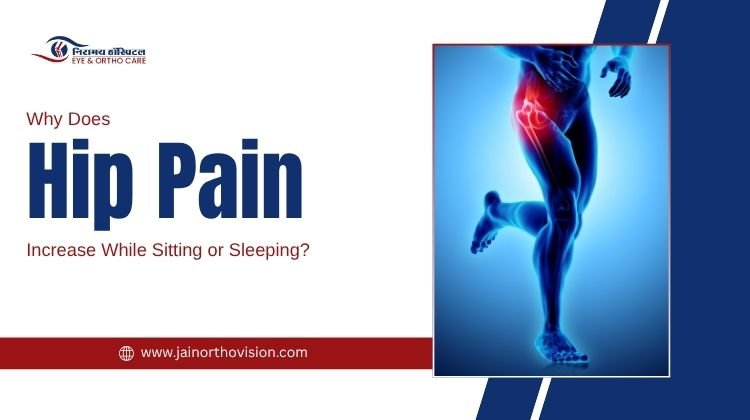
Hip Pain: When to Consult an Orthopedic Doctor
Hip pain can significantly affect mobility and independence.
You may require Hip Pain Treatment in Kota if:
- Pain radiates to the groin or thigh
- Walking becomes difficult
- Stiffness limits movement
- Pain worsens during physical activity
- Sleep is disrupted by discomfort
Early treatment can prevent worsening joint damage and improve mobility.
Elbow Pain and Sports Injuries
Athletes and individuals performing repetitive arm movements frequently experience elbow pain.
One common condition is tennis elbow.
Seeking Tennis Elbow Treatment in Kota becomes important if:
- Pain persists for several weeks
- Grip strength decreases
- Daily activities become difficult
- Rest does not improve symptoms
An orthopedic specialist can recommend therapies that promote healing and restore function.
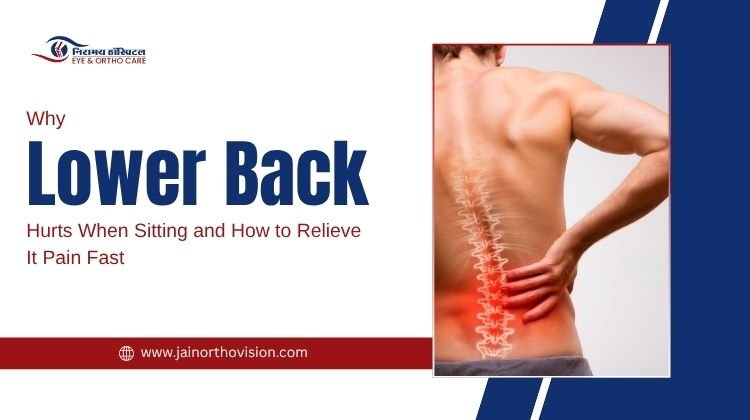
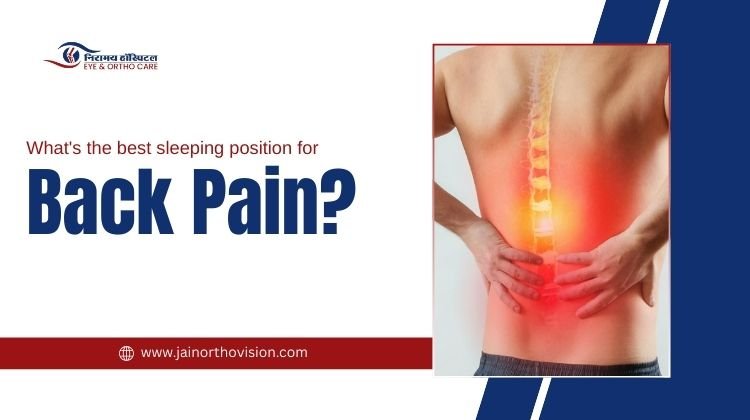
Low Back Pain and Joint Health
The spine contains multiple joints that support movement and flexibility.
Persistent back pain may indicate problems involving spinal joints, discs, muscles, or nerves.
You should consider Low Back Pain Treatment in Kota if:
- Pain lasts longer than six weeks
- Numbness develops in the legs
- Standing or walking becomes difficult
- Pain affects work or daily activities
Early intervention can reduce discomfort and improve long-term spinal health.
Diagnostic Tests Used by Orthopedic Specialists
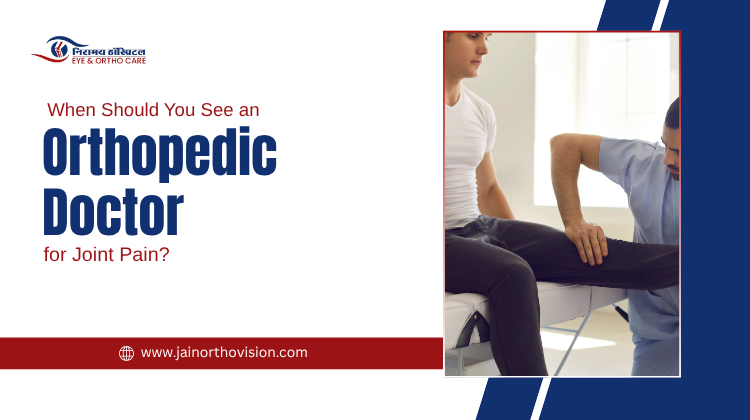
An experienced orthopedic doctor for joint pain uses several methods to diagnose joint conditions.
Physical Examination
The doctor evaluates:
- Joint movement
- Stability
- Strength
- Swelling
- Tenderness
Imaging Studies
Advanced imaging helps identify structural problems.
Common tests include:
- X-rays
- MRI scans
- CT scans
- Ultrasound imaging
Laboratory Tests
Blood tests may be recommended when inflammatory or autoimmune conditions are suspected.
Accurate diagnosis forms the foundation of effective treatment.
Treatment Options for Joint Pain
Modern orthopedic care focuses on reducing pain while preserving joint function.
Non-Surgical Treatments
Many patients improve without surgery.
Treatment options include:
- Physical therapy
- Anti-inflammatory medications
- Lifestyle modifications
- Weight management
- Activity adjustments
- Joint injections
- Rehabilitation programs
Advanced Regenerative Therapies
In selected cases, regenerative approaches may support tissue healing and recovery.
Surgical Treatment
When conservative treatment fails, surgery may be recommended.
Procedures can include:
- Arthroscopy
- Ligament reconstruction
- Tendon repair
- Cartilage restoration
- Joint replacement
An experienced orthopedic surgeon in Kota can determine the most appropriate option based on individual needs.
Benefits of Early Orthopedic Consultation
Ignoring joint pain can lead to progressive damage and reduced quality of life.
Early consultation offers several advantages:
- Faster diagnosis
- Better treatment outcomes
- Reduced pain
- Improved mobility
- Prevention of complications
- Lower risk of permanent joint damage
- Faster return to normal activities
The sooner treatment begins, the better the chances of maintaining long-term joint health.
How to Protect Your Joints
While some causes of joint pain cannot be prevented, healthy habits can reduce the risk.
Stay Physically Active
Regular exercise strengthens muscles that support joints.
Low-impact activities include:
- Walking
- Swimming
- Cycling
- Yoga
Maintain a Healthy Weight
Excess body weight places additional stress on joints, particularly the knees and hips.
Use Proper Body Mechanics
Correct posture and lifting techniques help prevent unnecessary strain.
Address Injuries Promptly
Seeking treatment after an injury can prevent long-term complications.
Follow Medical Advice
Regular follow-up with the best orthopedic doctor in Kota helps monitor joint health and prevent progression of orthopedic conditions.
Why Choose Niramaya Hospital for Orthopedic Care?
Niramaya Hospital provides comprehensive orthopedic services focused on patient-centered care.
Patients benefit from:
- Experienced orthopedic specialists
- Advanced diagnostic technology
- Personalized treatment plans
- Comprehensive rehabilitation support
- Surgical and non-surgical treatment options
- Modern orthopedic care standards
Frequently Asked Questions (FAQs)
1. How do I know if my joint pain requires an orthopedic doctor?
If pain lasts more than a few weeks, limits movement, causes swelling, or interferes with daily activities, you should consult an orthopedic doctor for joint pain.
2. Can joint pain go away without treatment?
Minor joint pain may improve with rest, but persistent pain often requires professional evaluation to identify and treat the underlying cause.
3. What is the most common cause of chronic joint pain?
Osteoarthritis is one of the most common causes of long-term joint pain, particularly among older adults.
4. When is surgery needed for joint pain?
Surgery may be recommended when non-surgical treatments fail to provide relief or when significant joint damage is present.
5. Which doctor should I consult for knee, hip, or elbow pain?
An orthopedic surgeon in Kota specializes in diagnosing and treating conditions affecting bones, joints, muscles, ligaments, and tendons.
Book Your Orthopedic Consultation with Dr. Ankur Jain
Experiencing persistent joint pain, knee discomfort, hip stiffness, or sports-related injuries? Consult Dr. Ankur Jain, a trusted orthopaedic doctor in Kota, for expert diagnosis and personalized treatment. Early orthopedic care can help relieve pain, improve mobility, and prevent long-term joint damage.
Conclusion
Joint pain should never be ignored when it becomes persistent, limits mobility, or interferes with daily life. Consulting an orthopedic doctor for joint pain at the right time can help identify the underlying cause and prevent further complications.
Whether your symptoms involve the knees, hips, elbows, shoulders, or spine, early diagnosis and treatment can significantly improve outcomes. With expert orthopedic care, patients can regain mobility, reduce discomfort, and return to the activities they enjoy.