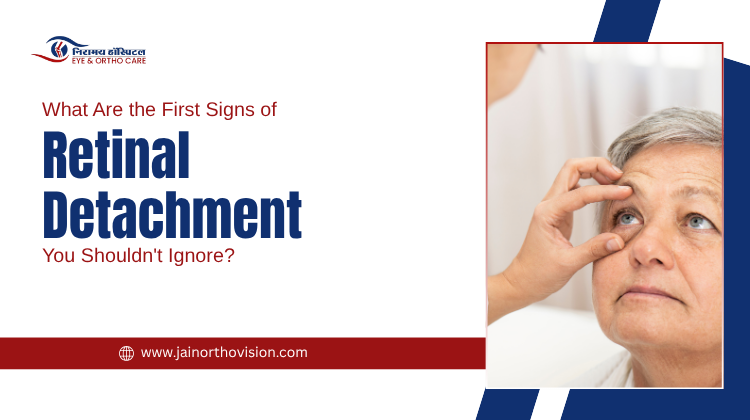

The common problems after retinal surgery include blurry vision, eye redness and discomfort, raised eye pressure, cataract formation, and, less often, a repeat detachment or infection. Most of these are manageable when caught early, which is why follow-up visits and knowing the warning signs matter so much.
At Niramaya Hospital, we prepare every patient for what recovery looks like, because understanding the common problems after retinal surgery helps you tell normal healing from something that needs urgent attention. This guide explains each problem, what is expected, and when to call your doctor.
What Is Normal During Retinal Surgery Recovery?
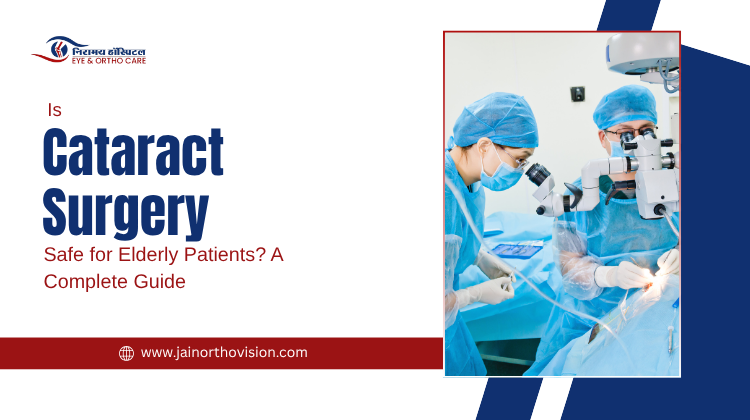
Retinal surgery, such as vitrectomy, scleral buckle, or gas bubble treatment, repairs the delicate light-sensing layer at the back of the eye. Healing is gradual, and your eye will not feel or look normal straight away.
Mild soreness, a gritty feeling, watering, and blurry vision are all expected in the first days and weeks. An experienced eye doctor kota patients trust will explain your recovery timeline, so you know which symptoms are part of normal healing.
This quick comparison shows the difference between normal healing and signs that need prompt attention:
| Symptom | Usually Normal | Needs Urgent Attention |
| Pain | Mild ache or gritty feeling that eases with drops | Severe or worsening pain, or pain with vomiting |
| Vision | Blurry or wavy sight that slowly improves | Sudden drop in vision or a dark curtain or shadow |
| Redness | Mild redness and puffy lids for several days | Increasing redness, swelling, or discharge |
| Floaters and flashes | A few occasional floaters | Sudden shower of new floaters or repeated flashes |
| Eye pressure | No symptoms, found at check-ups | Hard, painful eye with headache or halos around lights |
Common Problems After Retinal Surgery at a Glance
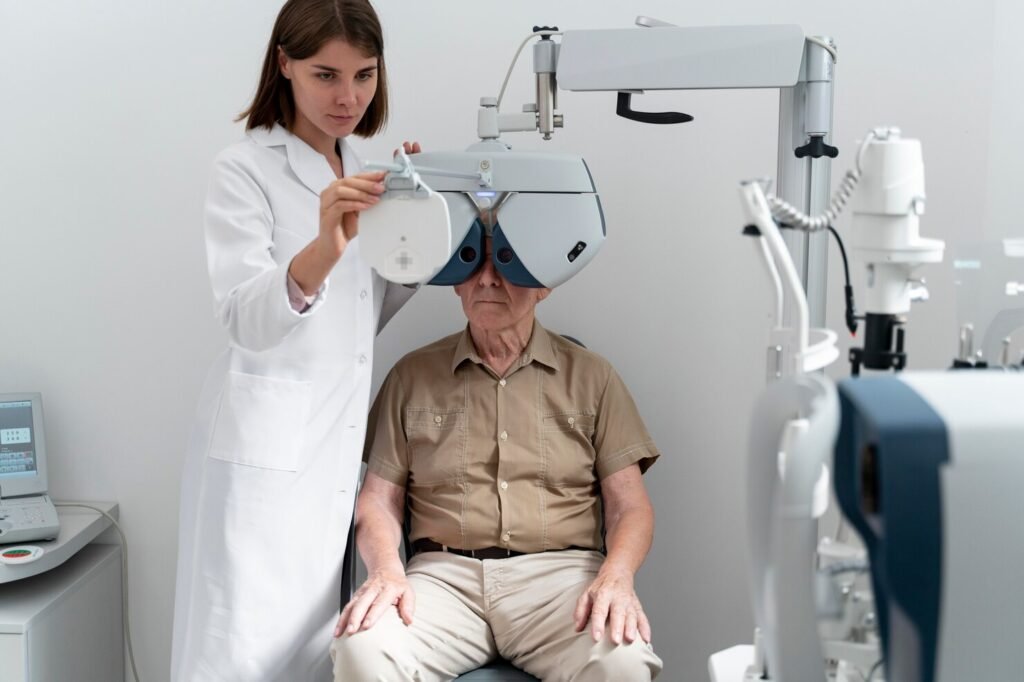
Most patients experience only a few of these, and many settle with time and treatment. The most frequent issues are:
- Blurry or distorted vision during healing
- Redness, swelling, and mild to moderate discomfort
- Raised pressure inside the eye
- Cataract, or clouding of the natural lens
- Floaters, flashes, or double vision
- Retinal re-detachment
- Infection, which is rare but serious
A reputable eye care hospital in Kota monitors you for each of these during scheduled follow-up visits.
Pain, Redness, and Swelling After Surgery
Some discomfort is normal after any eye operation. The eye can look red, the lids may be puffy, and a dull ache or scratchy feeling can last for several days.
This usually eases with prescribed drops and simple pain relief. However, pain that is severe, keeps getting worse, or comes with nausea should be assessed quickly by an eye specialist kota residents can reach without delay.
Blurry Vision and Distortion During Recovery
Blurry vision is the most common complaint, and it can last for weeks or even a few months. Gas or oil placed in the eye to hold the retina in position also blurs sight until it is absorbed or removed.
Straight lines may look wavy or slightly bent while the retina settles, and colours can look dull. Regular checks with the Best Eye Doctor in kota show whether your vision is improving at the expected pace.
Raised Eye Pressure After Retinal Surgery
Pressure inside the eye can rise after surgery, especially when a gas bubble expands or when steroid drops are used. High pressure often causes no early symptoms, which is why it is checked at every visit.
If it is not controlled, it can damage the optic nerve over time. Your surgeon can usually manage it with pressure-lowering drops, and a skilled team offering eye surgery in Kota can also adjust the gas or oil if needed.
Cataract Formation After Retinal Surgery
A cataract, or clouding of the eye’s natural lens, is one of the most frequent long-term problems after vitrectomy. It develops because the surgery changes the environment inside the eye, and it is more likely in people over 50.
Vision slowly becomes hazy, and glare from lights can increase. A trusted eye doctor kota can treat this later with cataract surgery, once the retina has healed and is stable.
Retinal Re-Detachment: The Most Serious Concern
In a small number of patients, the retina detaches again, sometimes because scar tissue forms inside the eye. This is the problem doctors watch for most closely during the first weeks and months.
Warning signs include:
- A sudden shower of new floaters
- Flashes of light
- A dark shadow or curtain moving across your vision
- A sudden drop in vision
Any of these needs same-day attention from an eye specialist kota families rely on, because quick treatment gives the best chance of saving vision.
Infection After Eye Surgery
Infection inside the eye, called endophthalmitis, is very rare but serious. It usually appears within the first few days after surgery.
Symptoms include increasing pain, worsening redness, a sudden fall in vision, and pus or heavy discharge. A well-equipped eye care hospital in Kota can treat it urgently, so never wait to see whether these signs improve on their own.
Gas Bubble Problems and Head Positioning
Many retinal operations use a gas bubble to press the retina into place. You may need to keep your head in a specific position, often face down, for several days to help it work.
While the gas is in your eye, you must not fly or travel to high altitude, because the bubble expands and can raise eye pressure dangerously. Also, always tell any doctor or dentist about the bubble, and follow the guidance of the Best Eye Doctor in kota about when it is safe to resume normal travel.
Floaters, Flashes, and Double Vision
A few new floaters or brief flashes can appear during recovery, and they are often harmless. Double vision may also occur temporarily if the eye muscles are affected by surgery or swelling.
Problems that are sudden, severe, or keep increasing deserve a check-up. Patients who need further treatment can discuss options such as laser or eye surgery Kota specialists provide, depending on the cause.
Simple Ways to Lower Your Risk of Problems
Careful aftercare makes a real difference to recovery. Small habits protect the repair your surgeon has made.
- Use all prescribed eye drops exactly as directed
- Keep the recommended head position for the full time advised
- Avoid rubbing your eye, swimming, and heavy lifting until cleared
- Do not travel by air or to high altitude while gas is in the eye
- Wear the eye shield at night if you have been given one
- Attend every follow-up appointment, even if you feel fine
An eye specialist kota residents trust will give you a clear written plan, so you know exactly what to do each day.
When to Call Your Eye Doctor Urgently
Do not wait for your next appointment if something feels wrong. Contact your surgeon or visit an emergency eye service immediately if you notice:
- Sudden loss or sharp drop in vision
- A new dark shadow, curtain, or many new floaters
- Severe or worsening pain, or pain with vomiting
- Increasing redness, swelling, or discharge
- Flashes of light that are new or increasing
Prompt contact with an eye doctor kota patients depend on can protect your sight when minutes matter.
Why Choose Niramaya Hospital for Retinal Care
Recovering well from retinal surgery depends on careful follow-up and early action when problems appear. Niramaya Hospital offers detailed examinations and clear aftercare advice, so you always know what to expect.
As a trusted eye care hospital in Kota, we treat every visit as an opportunity to catch small problems before they become serious.
Patients also value our approach to honest guidance, which is why many consider us the Best Eye Doctor in kota for retinal follow-up and recovery.
Frequently Asked Questions About Problems After Retinal Surgery
1. How long does blurry vision last after retinal surgery?
Blurry vision can last several weeks, and sometimes a few months, especially when a gas bubble or silicone oil is in the eye. Improvement is usually gradual, and your doctor will track it at follow-up visits.
2. Is pain normal after retinal surgery?
Mild to moderate discomfort, redness, and a gritty feeling are normal for several days. Severe or worsening pain, especially with vomiting, is not normal and needs prompt assessment.
3. Can the retina detach again after surgery?
Yes, a small number of patients experience a repeat detachment, often within the first few months. Sudden floaters, flashes, or a shadow across your vision need urgent attention.
4. Why can I not fly after retinal surgery with a gas bubble?
Changes in altitude cause the gas bubble to expand, which can raise eye pressure sharply and damage the eye. Always follow your surgeon’s advice about when it is safe to travel.
5. Will I need cataract surgery after retinal surgery?
Cataracts are common after vitrectomy, particularly in people over 50, and many patients eventually need cataract surgery. This is usually done once the retina has fully healed and is stable.
Conclusion
The common problems after retinal surgery, from blurry vision and raised pressure to cataract and re-detachment, are far easier to manage when found early. Following your aftercare plan and attending every follow-up visit gives your eye the best chance of a strong recovery.
If you have had retinal surgery and notice anything that worries you, do not wait. Book a consultation with Niramaya Hospital and let our experienced team check your eye and guide your recovery. Call us today or visit our clinic to schedule an appointment.