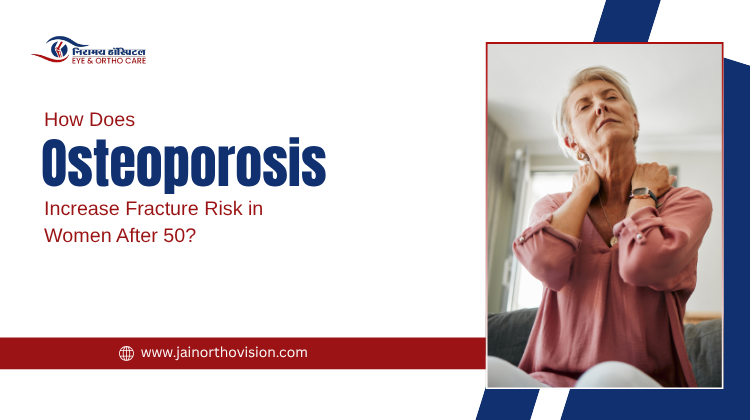
Osteoporosis increases fracture risk in women significantly after age 50, largely due to the sharp drop in estrogen that comes with menopause. Roughly one in two women over 50 will experience an osteoporosis-related fracture at some point in their life, making this one of the most common yet under-discussed health risks of midlife.
What Is Osteoporosis and Why Does It Develop After 50?
Bone is living tissue that constantly rebuilds itself through a process called bone remodeling, where old bone is removed and new bone is formed. Before menopause, this process generally stays balanced, keeping bones strong and dense.
Osteoporosis develops when bone breakdown outpaces bone formation, leaving bones porous, fragile, and prone to breaking. The condition is often called a silent disease, since bone density loss produces no symptoms until a fracture actually occurs.
The Link Between Menopause and Osteoporosis Risk
Estrogen plays a central role in maintaining the balance between bone breakdown and bone formation. During the menopause transition, estrogen levels drop sharply, and this shift tips that balance toward bone loss.
Research shows women can lose up to 20 percent of their bone density during the years surrounding menopause, with bone loss happening fastest in the first several years after periods stop. This rapid decline is the primary reason osteoporosis increases fracture risk in women so dramatically once they pass 50.
Because this bone loss happens quietly, many women do not realize their risk has increased until a bone density test reveals the problem, or worse, until a fracture happens.
How Osteoporosis Weakens Bone Structure
Healthy bone has a dense, honeycomb-like internal structure that gives it strength while keeping it relatively lightweight. As osteoporosis progresses, the spaces within this honeycomb structure widen and the connecting bone tissue thins.
This structural change means bones can no longer absorb the same amount of force before breaking. A fall or impact that would cause only bruising in a younger person with healthy bone density can result in a serious fracture in someone with advanced osteoporosis.
Which Fractures Are Most Common in Women with Osteoporosis?
Osteoporotic fractures tend to occur in specific locations where bone is naturally more porous or bears significant everyday stress. Understanding these patterns helps explain why certain injuries become more common after 50.
| Fracture Site | Why It Is Common | Typical Cause |
| Wrist | Often the first osteoporotic fracture women experience | Falling forward onto an outstretched hand |
| Spine (vertebral) | Vertebrae are naturally porous bone | Can occur with minimal trauma or even daily activity |
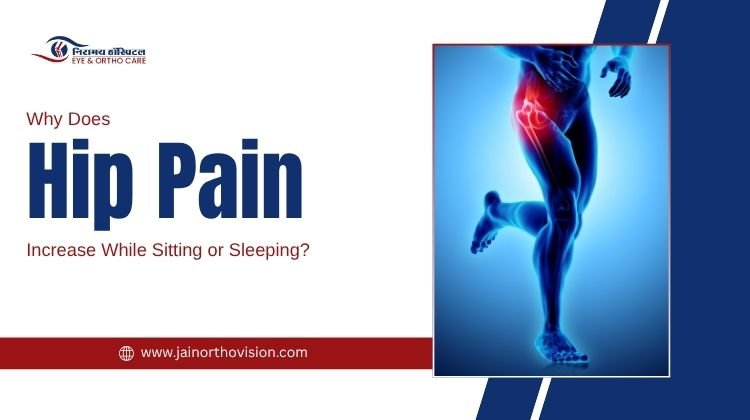
| Hip | Among the most serious osteoporotic fractures | Falls, especially sideways falls |
| Shoulder and upper arm | Common in falls involving an outstretched arm | Falls from standing height |
Hip and spinal fractures carry the greatest long-term impact on mobility and independence, which is why prevention efforts often focus heavily on these two areas.
Risk Factors That Increase Fracture Risk After 50
While menopause is the primary driver of increased fracture risk, several other factors can compound the danger for individual women.
- Family history of osteoporosis or hip fracture
- Low body weight or a small body frame
- Smoking and excessive alcohol consumption
- Long-term use of certain medications, including corticosteroids
- Low calcium and vitamin D intake over many years
- Sedentary lifestyle with minimal weight-bearing exercise
- Early menopause, whether natural or surgically induced
Women with multiple risk factors face a compounded, rather than simply additive, increase in overall fracture risk.
How Is Osteoporosis Diagnosed?
A bone density scan, known as a DXA scan, is the standard test used to diagnose osteoporosis and assess fracture risk. This quick, painless test measures bone mineral density, most often at the hip and spine.
Results are reported as a T-score, which compares your bone density to that of a healthy young adult. A T-score of negative 2.5 or lower indicates osteoporosis, while a score between negative 1.0 and negative 2.5 indicates osteopenia, an earlier stage of bone loss.
Doctors generally recommend bone density testing for all women starting around age 65, or earlier for those with significant risk factors or early menopause.
Preventing Fractures Linked to Osteoporosis
Reducing fracture risk involves both slowing bone loss and lowering the chance of falls that could trigger a break. A combined approach works far better than focusing on either factor alone.
- Get adequate calcium and vitamin D: Both are essential building blocks for maintaining bone density
- Engage in weight-bearing exercise: Walking, dancing, and resistance training help stimulate bone formation
- Improve balance and strength: Activities like yoga and tai chi reduce fall risk significantly
- Avoid smoking and limit alcohol: Both accelerate bone density loss over time
- Fall-proof your home: Remove loose rugs, improve lighting, and install grab bars where needed
- Discuss medication options: Certain prescription treatments can slow bone loss in women at higher risk
What to Do If a Fracture Occurs
Even with careful prevention, fractures can still happen, and prompt, specialized treatment matters greatly for a full recovery. Different bones and fracture patterns require different approaches to treatment.
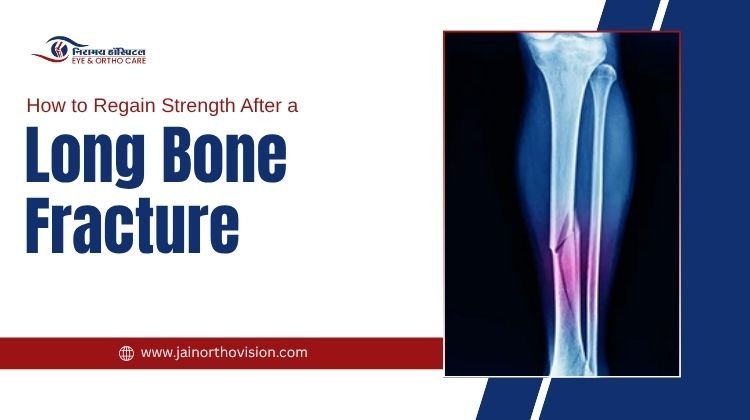
Fractures involving the arms, legs, or hips often need specialized surgical planning, and Long Bone Fracture Treatment in Kota typically involves careful pre-surgical evaluation of bone density before proceeding, since osteoporotic bone can affect how surgical hardware holds during healing.
Fractures that extend into a joint surface add further complexity, since even minor misalignment can affect future joint function. Intra-Articular Fractures Treatment in Kota requires meticulous surgical technique in osteoporotic patients, where fragile bone makes precise fixation more challenging than in younger patients with normal bone density.
Spinal fractures deserve particular attention in women with osteoporosis, since vertebral fractures can occur with surprisingly little trauma. Spine Fractures Treatment in Kota ranges from supportive bracing for stable fractures to specialized procedures for fractures affecting spinal alignment or nerve function.
When to See a Doctor About Your Fracture Risk
Certain signs suggest it may be time to discuss bone health with a professional rather than waiting for a fracture to occur.
- A close family member with osteoporosis or a hip fracture
- Loss of height or a noticeably stooped posture
- A fracture from a minor fall or bump that seems disproportionate to the injury
- Early or surgically induced menopause
- Long-term use of steroid medications
A qualified orthopaedic in Kota can assess your individual risk factors and recommend whether bone density testing or further evaluation is appropriate for your situation.
Why Choose Niramaya Hospital for Osteoporosis-Related Fracture Care
Treating fractures in women with osteoporosis requires more than standard fracture care, since fragile bone changes how surgery, healing, and rehabilitation all need to be approached. As a well-established orthopedic hospital Kota families trust for bone health, Niramaya Hospital combines careful diagnosis with treatment plans suited to each patient’s individual bone density and fracture pattern.
Our team also works with patients on long-term prevention after treating a fracture, since one osteoporotic fracture significantly raises the risk of another if bone health is not actively addressed. An experienced orthopaedic doctor in Kota can guide both the immediate treatment and the longer-term plan to protect your bones going forward.
Frequently Asked Questions About Osteoporosis and Fracture Risk in Women
1. At what age should women start worrying about osteoporosis?
Bone density testing is generally recommended starting around age 65, though women with risk factors like early menopause or a family history of osteoporosis may need testing earlier, sometimes in their 50s.
2. Can osteoporosis be reversed once it develops?
Osteoporosis cannot typically be fully reversed, but its progression can be slowed significantly with proper nutrition, exercise, and, in some cases, medication, which reduces the risk of future fractures.
3. Is a hip fracture always caused by a serious fall?
Not always. In women with significant bone loss, even a minor fall from standing height can cause a hip fracture, which is why fall prevention becomes especially important after 50.
4. Do all women lose bone density at the same rate after menopause?
No. Bone loss rates vary based on genetics, lifestyle, and overall health, though most women experience the fastest bone loss in the first several years immediately following menopause.
5. Can exercise really make a difference in preventing osteoporotic fractures?
Yes. Weight-bearing and resistance exercises help maintain bone density, while balance-focused activities reduce fall risk, together lowering the overall chance of a fracture significantly.
Conclusion
Osteoporosis increases fracture risk in women substantially after 50, primarily due to the rapid bone loss triggered by declining estrogen during menopause. Understanding this risk early, through bone density testing and preventive habits, gives women far more control over their long-term bone health than waiting until a fracture occurs.
If you are over 50 or approaching menopause and have not discussed bone health with a specialist, do not wait for a fracture to prompt that conversation. Book a consultation with Niramaya Hospital and let our experienced team assess your fracture risk and build a personalized prevention plan. Call us today or visit our clinic to schedule an appointment.