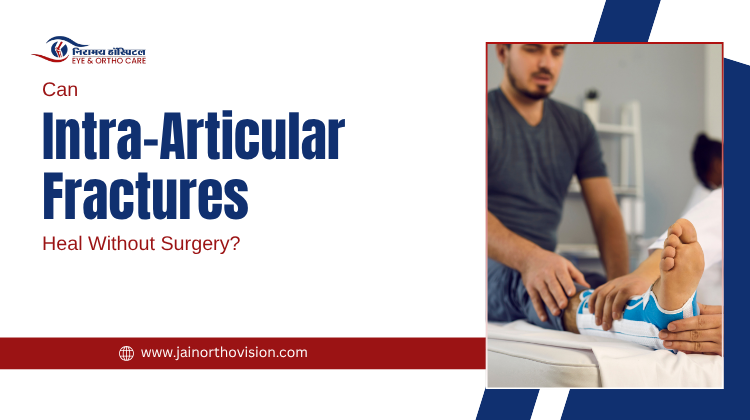
Intra-articular fractures heal without surgery in some cases, but not all. Whether conservative treatment works depends heavily on how much the bone fragments have shifted, which joint is involved, and the patient’s age and activity level.
At Niramaya Hospital, we evaluate every intra-articular fracture individually rather than defaulting to a single treatment approach. This guide explains when non-surgical healing is realistic, when surgery becomes necessary, and what factors your doctor considers before making that call.
What Is an Intra-Articular Fracture?
An intra-articular fracture is a break that extends into the surface of a joint, rather than staying confined to the shaft of a bone. Because the joint surface needs to stay smooth for proper movement, these fractures behave differently than fractures elsewhere in the same bone.
Common locations include the wrist, ankle, knee, elbow, and heel bone, all areas where bones meet and rely on a precise fit to function correctly. Even a small amount of misalignment at the joint surface can affect how the joint moves for years afterward, which is one reason Intra-Articular Fracture Treatment decisions are rarely straightforward.
Why Intra-Articular Fractures Are Different from Other Breaks
A fracture in the middle of a long bone mainly needs to heal in reasonable alignment to restore strength. A fracture that enters a joint carries an additional requirement, since the joint surface itself needs to stay smooth for cartilage to glide properly during movement.
Any step or gap left in the joint surface after healing can lead to uneven pressure during movement, accelerating wear on the cartilage over time. This is the central reason doctors weigh intra-articular fracture treatment in Kota decisions so carefully, since getting it wrong can affect joint health for decades, not just months.
When Can Intra-Articular Fractures Heal Without Surgery?
Non-surgical treatment is a realistic option for select intra-articular fractures, particularly when specific conditions are met. Research on distal radius and calcaneal fractures shows conservative treatment can produce good functional outcomes in the right circumstances, even though anatomic alignment may not be perfect.
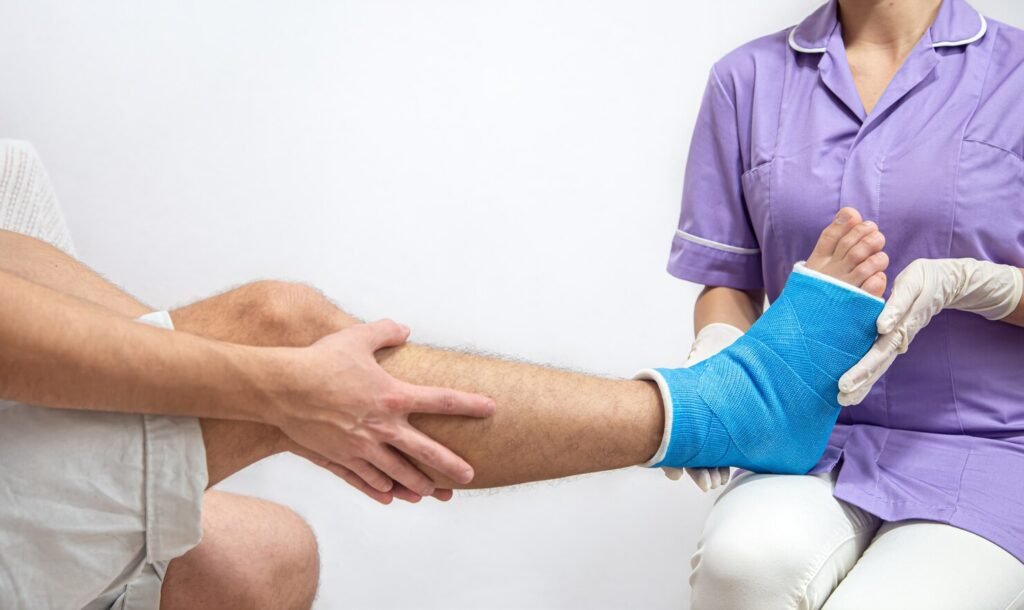
Non-surgical healing is more likely to succeed when:
- The fracture fragments remain minimally displaced or well aligned
- The joint surface shows only a small step or gap, generally under 1 to 2 millimeters
- The patient is older or has lower physical demands on the joint
- The patient has health conditions that make surgery higher risk
- Early, consistent follow-up imaging is possible to monitor healing progress
Studies following elderly patients with non-surgically treated wrist fractures involving the joint have found that a large majority achieved good to excellent functional results, even when the anatomic healing was less than perfect.
When Does Surgery Become Necessary?
Surgery becomes the recommended path when the fracture pattern threatens long-term joint function if left to heal on its own. Certain factors push the decision firmly toward orthopedic surgery in Kota rather than a cast alone.
Surgical treatment is generally recommended when:
- The joint surface is significantly displaced or has a step-off greater than 2 millimeters
- The fracture involves multiple bone fragments, known as a comminuted fracture
- The patient is young or physically active, where joint precision matters more long term
- Associated ligament or soft tissue damage requires repair
- Non-surgical treatment has already failed to maintain alignment during healing
Younger, more active patients are generally steered toward surgical correction more often, since the joint needs to withstand greater and more prolonged stress over the following decades. An experienced orthopedic surgeon in Kota weighs this activity level heavily when advising on the best path forward.
Comparing Non-Surgical and Surgical Outcomes
Research directly comparing the two approaches shows a nuanced picture rather than one clear winner in every case. Some studies on displaced calcaneal fractures found surgical treatment offered better alignment restoration, though it also carried a higher risk of wound-related complications, particularly around the surgical incision.
| Factor | Non-Surgical Treatment | Surgical Treatment |
| Alignment precision | Often less exact | Generally more precise |
| Soft tissue complications | Lower risk | Higher risk, especially with open incisions |
| Recovery time | Can be shorter initially | Often longer due to surgical healing |
| Long-term joint function | Good in select, less severe cases | Generally more predictable for severe fractures |
| Best suited for | Minimally displaced fractures, lower-demand patients | Displaced or comminuted fractures, active patients |
This is exactly why a personalized evaluation matters more than a one-size-fits-all rule when deciding between the two approaches.
How Are Intra-Articular Fractures Diagnosed?
Accurate diagnosis is essential before deciding whether intra-articular fractures heal without surgery in a specific case. Diagnosis typically starts with a physical examination by an orthopaedic doctor in Kota, followed by imaging to assess the exact fracture pattern.
- X-rays provide an initial view of the fracture line and joint alignment
- CT scans offer detailed 3D imaging, often necessary for complex joint fractures
- MRI scans help evaluate any accompanying ligament or cartilage damage
CT imaging in particular has become essential for accurately mapping intra-articular fracture patterns, since it reveals details that plain X-rays often miss, especially in fractures involving multiple fragments.
What Happens If an Intra-Articular Fracture Is Left Untreated?
Ignoring or inadequately treating an intra-articular fracture carries real long-term risk. Even fractures that seem minor at first can lead to significant problems if the joint surface is not properly aligned during healing.
Potential complications include:
- Post-traumatic arthritis developing years after the original injury
- Chronic joint pain and stiffness
- Reduced range of motion in the affected joint
- Malunion, where the bone heals in a poor position
- Higher likelihood of needing corrective surgery later, which is more complex than initial treatment
This is why prompt, accurate diagnosis matters so much, even for fractures that initially seem manageable with rest alone.
Recovery Expectations for Both Treatment Paths
Recovery timelines differ depending on the treatment approach chosen, though both paths require patience and consistent follow-up. Non-surgical treatment generally involves several weeks of immobilization followed by a gradual return to activity, guided by repeat imaging to confirm the fracture is healing in good position.
Surgical treatment typically involves a longer initial recovery period, since the body needs to heal both the fracture and the surgical site. However, surgery often allows for earlier controlled movement once the hardware provides stability, which can support better long-term joint flexibility in appropriate cases.
Physical therapy plays an important role in both recovery paths, helping restore strength and range of motion regardless of which treatment approach was used.
Why Choose Niramaya Hospital for Intra-Articular Fracture Care
Deciding whether Intra-Articular Fracture Treatment in Kota should be surgical or conservative requires detailed imaging, careful clinical judgment, and an honest conversation about trade-offs. Niramaya Hospital brings together advanced diagnostic imaging with individualized treatment planning for every patient, rather than defaulting to one standard protocol.
As a well-established orthopedic hospital Kota families trust for complex joint injuries, we make sure patients do not need to travel to larger cities for detailed imaging or specialized surgical technique when it is genuinely needed.
Advanced Intra-Articular Fracture Care Available in Kota through our team means every recommendation comes with a clear explanation, so patients understand exactly why conservative care or surgery was chosen for their specific fracture.
Frequently Asked Questions About Intra-Articular Fracture Healing
1. Can a wrist fracture involving the joint heal without surgery?
Yes, in many cases, particularly in older patients with minimally displaced fractures. Studies show good functional outcomes are achievable with conservative treatment, even when perfect anatomic alignment is not restored.
2. How do doctors decide between surgery and casting for an intra-articular fracture?
The decision depends on how much the joint surface is displaced, the patient’s age and activity level, and whether the fracture involves multiple fragments. Significant displacement generally favors surgery.
3. What happens if an intra-articular fracture heals with a step-off in the joint?
A step-off greater than about 2 millimeters increases the risk of uneven cartilage wear and post-traumatic arthritis over time, which is why larger step-offs typically push the decision toward surgical correction.
4. Is surgery always better for intra-articular fractures?
Not necessarily. Research comparing surgical and non-surgical treatment shows surgery offers more precise alignment but carries a higher risk of complications like wound issues, so the best choice depends on the individual case.
5. How long does recovery take for an intra-articular fracture?
Non-surgical recovery often takes several weeks of immobilization followed by gradual rehabilitation, while surgical recovery can extend to a few months, factoring in both fracture healing and surgical site recovery.
Conclusion
Intra-articular fractures heal without surgery in select cases, particularly when displacement is minimal and the patient’s activity demands are lower, but many cases still require surgical correction to protect long-term joint function. The right decision depends on careful imaging, an honest look at the fracture pattern, and a conversation about your specific goals and lifestyle.
If you are dealing with a joint fracture and unsure whether surgery is truly necessary, do not guess based on general information alone. Book a consultation with Niramaya Hospital and let our experienced team assess your fracture and recommend the treatment path best suited to your recovery goals. Call us today or visit our clinic to schedule an appointment.