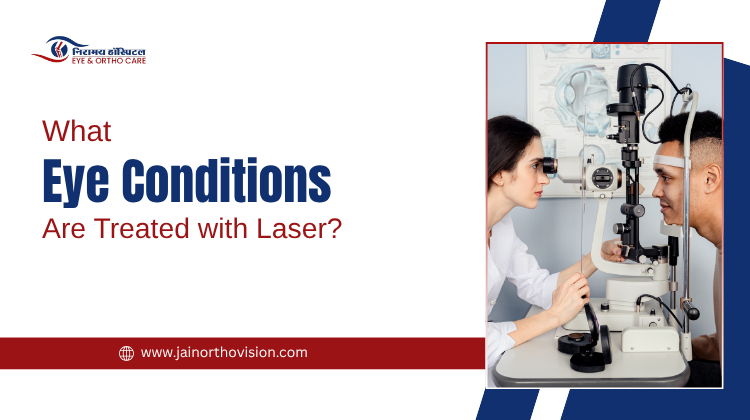
Laser technology now plays a central role in treating a wide range of eye conditions, from simple refractive errors to sight-threatening complications of diabetes and glaucoma. Modern laser procedures are often faster, less invasive, and more precise than traditional surgical approaches, which is why they have become a standard part of eye care.
At Niramaya Hospital, we use laser treatment for several distinct eye conditions, each requiring a different technique and type of laser. This guide explains which conditions laser therapy treats, how each procedure works, and what you can expect if your doctor recommends it.
How Does Laser Eye Treatment Work?
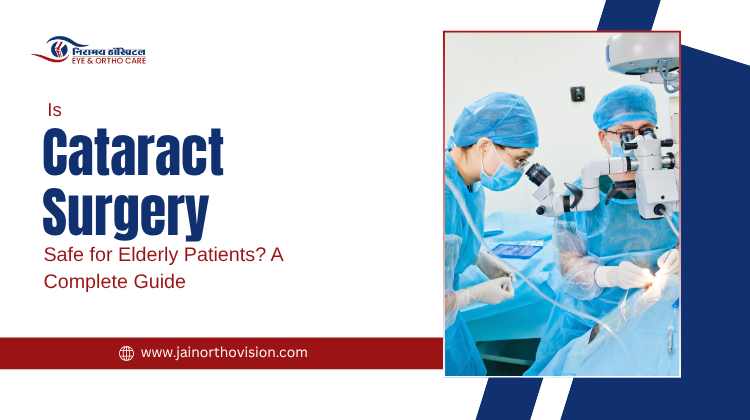
Laser treatment uses a highly focused beam of light to precisely target tissue inside or on the surface of the eye, without the need for traditional incisions in most cases. Depending on the condition being treated, the laser might reshape the cornea, seal a leaking blood vessel, create a small opening, or remove a cloudy membrane.
Because the beam can be controlled down to fractions of a millimeter, laser treatment allows doctors to work with remarkable precision near delicate structures like the retina and optic nerve. An experienced eye doctor Kota patients trust selects the specific laser type and technique based on exactly which condition is being treated.
Refractive Errors: LASIK and PRK
Nearsightedness, farsightedness, and astigmatism are among the most common reasons people seek laser treatment. These refractive errors occur when the shape of the cornea does not bend light correctly onto the retina, causing blurred vision.
- LASIK: Reshapes the inner layer of the cornea using a laser after creating a thin protective flap
- PRK: Removes the outer corneal surface layer before reshaping, often recommended for thinner corneas
- SMILE: A newer, minimally invasive technique that reshapes the cornea through a small incision
An eye specialist Kota relies on can evaluate your cornea thickness, prescription stability, and overall eye health to determine which refractive procedure suits you best.
Diabetic Retinopathy and Laser Photocoagulation
Diabetic retinopathy, a complication of long-term high blood sugar, remains one of the most important eye conditions treated with laser therapy. Laser photocoagulation uses targeted laser burns to seal leaking blood vessels or shrink abnormal vessel growth in the retina.
This procedure does not restore vision already lost, but it is highly effective at preventing further bleeding and vision loss when performed at the right stage. Patients already receiving Diabetic Eye Treatment often have laser therapy incorporated into their broader management plan alongside blood sugar control.
Glaucoma: Laser Peripheral Iridotomy and SLT
Glaucoma, a condition caused by elevated pressure inside the eye that gradually damages the optic nerve, also responds well to specific laser procedures. Two techniques are most commonly used, depending on the type of glaucoma present.
- Selective laser trabeculoplasty (SLT): Improves fluid drainage from the eye to lower pressure, typically used for open-angle glaucoma
- Laser peripheral iridotomy: Creates a tiny opening in the iris to relieve pressure buildup in angle-closure glaucoma
An ophthalmologist Kota trusts for glaucoma care can determine through pressure testing and imaging which laser approach, if any, fits your specific type of glaucoma.
Posterior Capsule Opacification After Cataract Surgery
A cloudy membrane called posterior capsule opacification sometimes develops months or years after cataract surgery, causing vision to blur again even though the original cataract was successfully removed. This is one of the few eye conditions treated almost exclusively with a single, quick laser procedure.
YAG laser capsulotomy creates a small opening in the clouded membrane behind the lens implant, restoring clear vision within minutes in most cases. A reputable eye care hospital performs this procedure as a brief outpatient visit, with most patients noticing improved vision the same day.
Retinal Tears and Detachment
A retinal tear occurs when the light-sensitive tissue at the back of the eye develops a small break, often from age-related changes in the eye’s internal gel. Left untreated, a tear can progress to a full retinal detachment, a serious emergency that threatens permanent vision loss.
Laser photocoagulation can seal a retinal tear before it progresses further, essentially welding the retina back into place around the break. Catching a tear early, before detachment occurs, is exactly why an eye doctor Kota residents see regularly recommends prompt evaluation for any sudden increase in floaters or flashes of light.
Macular Degeneration and Laser Therapy
Age-related macular degeneration affects the macula, the part of the retina responsible for sharp central vision, and can lead to significant vision loss if untreated. While injectable medications are now the primary treatment for the more common wet form, laser therapy still has a role in select cases.
Photodynamic therapy combines a light-activated medication with a low-energy laser to target abnormal blood vessels without damaging surrounding tissue. An eye specialist Kota families depend on can determine whether this approach, injections, or a combination best suits your specific pattern of macular degeneration.
Benefits of Laser Treatment for Eye Conditions
Laser procedures offer several distinct advantages over traditional surgical approaches for many eye conditions, which is part of why they have become so widely used.
- Minimal or no incisions required for most procedures
- Shorter recovery times compared to traditional surgery
- High precision that reduces risk to surrounding healthy tissue
- Many procedures completed in a single outpatient visit
- Lower overall risk of complications when performed by an experienced surgeon
These benefits make laser treatment an appealing first option whenever a condition responds well to it, though not every eye condition is suited to a laser-based approach.
What to Expect During and After Laser Eye Treatment
Most laser eye procedures are completed within minutes and performed using numbing eye drops rather than general anesthesia. You remain awake and comfortable throughout, with only mild pressure or brief flashes of light noticed during the procedure itself.
Recovery varies by procedure, though many patients resume normal activities within a day or two. An ophthalmologist Kota residents rely on will provide specific aftercare instructions, including any temporary restrictions on activities like swimming or heavy lifting.
Who Is a Good Candidate for Laser Eye Treatment?
Candidacy for laser treatment depends entirely on which eye conditions are present and how advanced they are, rather than a single universal standard. A thorough eye examination is always required before any laser procedure is recommended.
- Stable vision prescription, generally required for refractive procedures like LASIK
- Adequate corneal thickness for corneal reshaping procedures
- Specific stage of diabetic retinopathy or glaucoma for retinal or pressure-lowering laser treatment
- Overall eye health without active infection or significant inflammation
- Realistic expectations about outcomes discussed with an eye doctor Kota patients trust
Your doctor will explain clearly whether laser treatment is appropriate for your specific diagnosis or whether another approach would serve you better.
When to See an Eye Doctor About Laser Treatment
Certain signs and situations call for prompt evaluation to determine whether laser treatment could help your condition.
- Blurred vision returning months or years after cataract surgery
- A sudden increase in floaters or flashes of light
- Diagnosed diabetic retinopathy or consistently elevated eye pressure
- Dependence on glasses or contacts with a desire for a more permanent solution
- Any sudden or significant change in vision
An eye specialist Kota trusts for comprehensive eye care can assess your symptoms and determine whether a laser procedure is the right next step for your specific condition.
Why Choose Niramaya Hospital for Laser Eye Treatment
Successfully treating any of these eye conditions with laser therapy depends on an accurate diagnosis and the right laser technique for your specific situation. As a trusted eye care hospital, Niramaya Hospital offers a full range of laser procedures, from refractive correction to retinal and glaucoma treatment, under one roof.
For patients managing diabetes-related vision changes, our team provides Diabetic Eye Treatment that combines laser therapy with ongoing monitoring, so complications are caught and addressed before they threaten your eyesight.
Frequently Asked Questions About Laser Treatment for Eye Conditions
1. Is laser eye treatment painful?
Most laser procedures involve little to no pain, since numbing eye drops are used beforehand. Patients typically feel mild pressure or notice brief flashes of light rather than actual pain during the procedure.
2. How long does recovery take after laser eye treatment?
Recovery time varies by procedure. Many laser treatments, such as YAG capsulotomy or glaucoma laser therapy, allow patients to resume normal activities within a day, while LASIK recovery typically takes a few days for vision to fully stabilize.
3. Can laser treatment cure diabetic retinopathy completely?
Laser treatment does not cure diabetic retinopathy, but it is highly effective at preventing further vision loss by sealing leaking vessels and reducing abnormal blood vessel growth, especially when combined with good blood sugar control.
4. Is laser eye surgery permanent?
Procedures like LASIK provide permanent corneal reshaping, though natural age-related changes to vision can still occur later in life. Other laser treatments, like those for glaucoma, may need to be repeated or supplemented over time depending on the condition.
5. How do I know which laser procedure is right for my eye condition?
The right procedure depends entirely on your specific diagnosis, which is determined through a comprehensive eye examination. Your doctor will explain which laser option, if any, suits your particular condition after reviewing your test results.
Conclusion
A wide range of eye conditions, from refractive errors and cataract-related clouding to diabetic retinopathy, glaucoma, and retinal tears, now respond well to precise, minimally invasive laser treatment. Understanding which procedure applies to your specific diagnosis is the first step toward clearer, more stable vision.
If you are dealing with any of these eye conditions or simply want to explore whether laser treatment could help you, do not wait to get answers. Book a consultation with Niramaya Hospital and let our experienced team evaluate your eyes and recommend the right laser treatment option for you. Call us today or visit our clinic to schedule an appointment.