Expert fracture care in Kota starts with an accurate diagnosis and ends with a recovery plan built around the specific type of break, the patient’s age, and their overall bone health. A fracture can range from a small hairline crack to a complex, multi-fragment break, and the right treatment approach differs significantly between the two.
At Niramaya Hospital, we manage a wide range of fractures every week, from simple wrist injuries to complex joint fractures that need surgical repair.
What Counts as a Fracture? Understanding the Basics
A fracture happens when a bone experiences more force than it can withstand, whether from a fall, an accident, a sports injury, or repetitive stress over time. Not every fracture looks or behaves the same way, which is why expert fracture care in Kota always begins with precise imaging and assessment.
Fractures generally fall into a few broad categories:
- Closed fracture: The bone breaks but the skin remains intact
- Open fracture: The broken bone pierces through the skin, raising infection risk
- Stable fracture: The broken bone ends stay aligned or barely shift
- Displaced fracture: The broken ends separate and need to be repositioned
- Comminuted fracture: The bone breaks into three or more pieces, usually from high-impact trauma
Correctly identifying the fracture type is the foundation every treatment decision is built on.
Common Types of Fractures and How They Differ
Fractures are also classified by the specific bone or joint involved, since treatment approaches vary considerably between them.
| Fracture Type | Common Cause | Typical Treatment Approach |
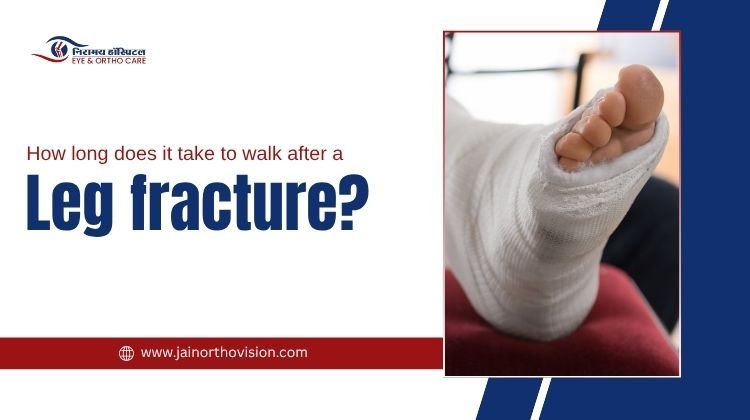
| Simple limb fracture | Fall, minor accident | Cast or splint, 6 to 8 weeks |
| Long bone fracture | High-impact trauma, road accidents | Surgical fixation with rods or plates |
| Joint-involving fracture | Fall onto a joint, sports injury | Precise surgical realignment |
| Spinal fracture | Fall from height, road accident, osteoporosis | Bracing or spinal fixation surgery |
| Stress fracture | Repetitive strain, overuse | Rest, activity modification |
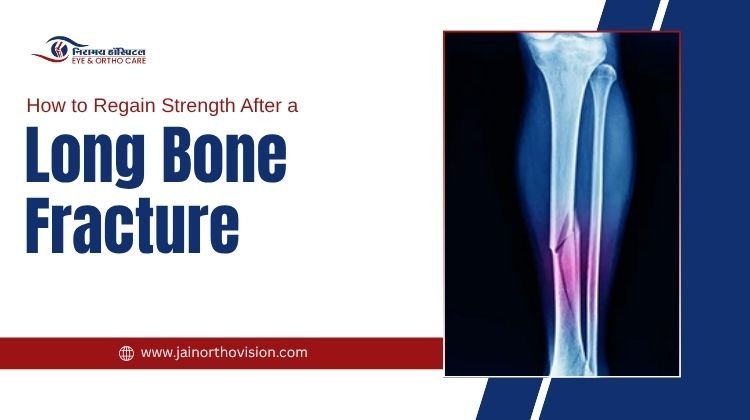
Fractures involving the femur, tibia, or humerus often need specialized surgical planning, which is why Long Bone Fracture Treatment in Kota typically involves a more detailed pre-surgical assessment than a simple wrist or ankle fracture.
Why Some Fractures Need More Complex Treatment
Not all fractures can be treated with a cast alone. Certain fracture patterns carry a higher risk of complications and require more advanced surgical planning.
Fractures that extend into a joint surface are particularly delicate, since even a small misalignment can affect joint movement permanently. Intra-Articular Fractures in Kota require careful surgical reconstruction to restore a smooth joint surface, since rough healing inside a joint often leads to stiffness, chronic pain, or early arthritis.
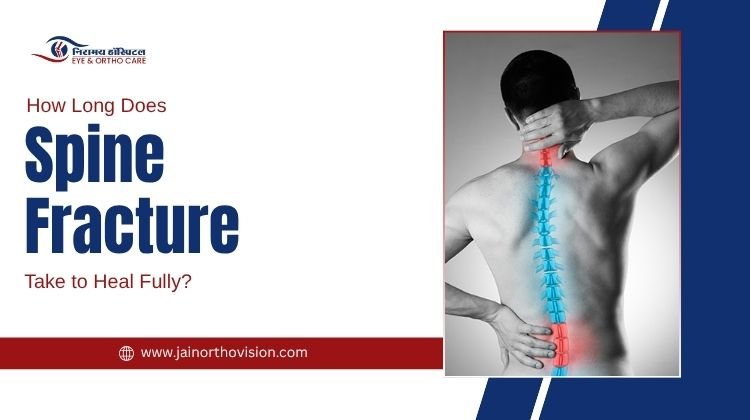
Similarly, fractures involving the spine carry unique risks because of their proximity to the spinal cord and nerves. Depending on severity, Spine Fractures Treatment in Kota may range from a supportive brace for stable fractures to surgical stabilization for fractures that threaten spinal alignment or nerve function.
How Are Fractures Diagnosed?
Accurate diagnosis is the backbone of expert fracture care in Kota, since treatment decisions depend entirely on understanding exactly how the bone broke. An orthopedic evaluation typically starts with a physical examination and a detailed history of how the injury occurred.
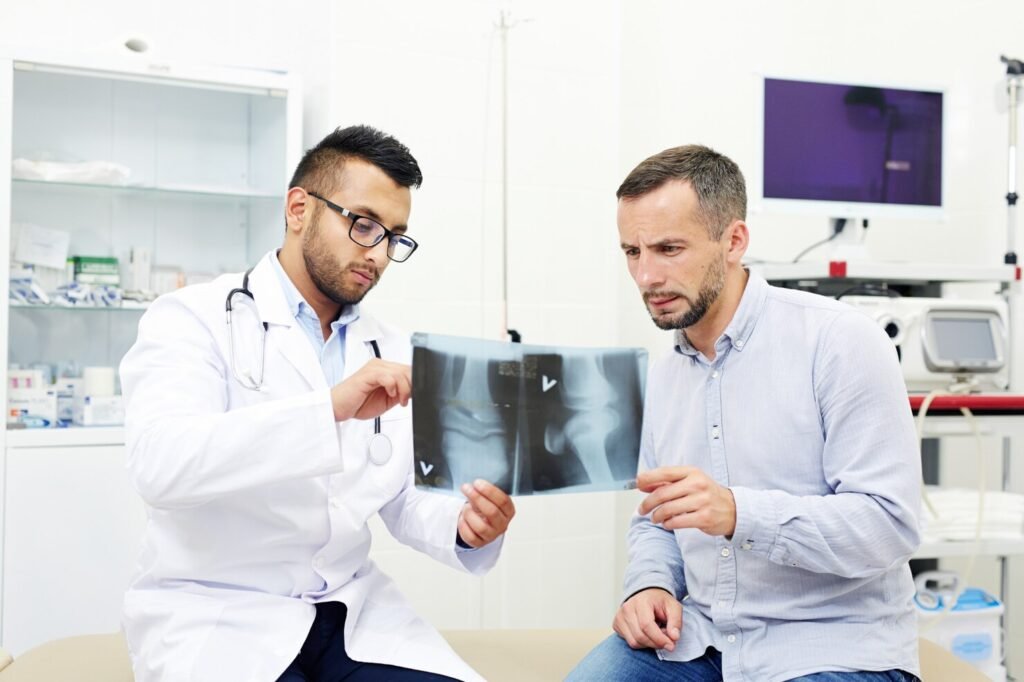
Imaging tests confirm the diagnosis and guide treatment planning:
- X-rays show the fracture line, displacement, and alignment
- CT scans provide detailed 3D images for complex or joint-involving fractures
- MRI scans help evaluate soft tissue, ligament, or spinal cord involvement
This imaging allows the treating doctor to classify the fracture accurately and select the most appropriate treatment path.
Non-Surgical Fracture Treatment Options
Many fractures heal well without surgery, particularly when the bone remains properly aligned. Non-surgical treatment typically includes:
- Casting or splinting to immobilize the bone and maintain alignment during healing
- Bracing for certain stable fractures that need support without full immobilization
- Pain management using prescribed medication during the initial healing phase
- Activity modification to avoid stress on the healing bone
Most simple, stable fractures heal within six to eight weeks with this conservative approach, though healing time varies based on the bone involved and the patient’s age.
Surgical Fracture Treatment Options
When a fracture is displaced, unstable, or involves a joint or the spine, surgery becomes necessary to restore proper alignment. Surgical fixation methods include:
- Open reduction and internal fixation (ORIF): Realigning the bone and securing it with plates and screws
- Intramedullary nailing: Inserting a metal rod through the center of long bones for stability
- External fixation: Using an external frame to stabilize severe or open fractures
- Spinal fixation: Using rods and screws to stabilize fractured vertebrae
Modern surgical fixation techniques have success rates exceeding 90 percent, offering patients better alignment and faster functional recovery than older treatment methods.
The Bone Healing Process: What to Expect
Bone healing happens in three distinct stages, and understanding them helps set realistic recovery expectations. The inflammatory phase begins within hours of the injury, as the body starts forming a blood clot around the break.
The reparative phase follows over the next several weeks, as the body produces a soft callus that gradually hardens into new bone. The final remodeling phase can continue for several months, as the newly formed bone reshapes itself to match its original strength and structure.
Safe Recovery Tips After Fracture Treatment
Proper aftercare significantly affects how well and how quickly a fracture heals. A few practical habits make a real difference during recovery.
- Follow weight-bearing restrictions exactly as instructed by your surgeon
- Attend every physiotherapy session, even after the cast comes off
- Eat a diet rich in calcium, protein, and vitamin D to support bone healing
- Avoid smoking, which slows bone healing significantly
- Keep the cast or surgical site dry and clean to prevent infection
- Report increasing pain, swelling, or fever promptly, rather than waiting it out
More than 95 percent of patients regain near-normal function when rehabilitation is followed consistently after fracture treatment.
When to Seek Immediate Fracture Care
Some fracture symptoms require urgent medical attention rather than a routine appointment. Seek immediate care if you notice:
- Visible deformity or the bone appearing out of position
- An open wound near the injury with bone visibly exposed
- Numbness, tingling, or loss of circulation below the injury
- Severe, worsening pain that does not improve with rest
- Inability to bear any weight or move the affected limb
Prompt evaluation by an experienced professional gives every fracture the best chance at a full, complication-free recovery. An orthopaedic doctor in Kota can quickly determine whether emergency intervention is needed or whether the injury can be managed on an outpatient basis.
Why Choose Niramaya Hospital for Fracture Care in Kota
Recovery outcomes after a fracture depend heavily on the accuracy of the initial treatment and the quality of follow-up rehabilitation. As a well-established orthopedic hospital Kota families return to for fracture care, Niramaya Hospital combines advanced imaging, precise surgical technique, and structured physiotherapy under one roof.
Our team takes the time to explain each stage of treatment clearly, from the first X-ray through the final rehabilitation session, so patients always know what to expect next.
Frequently Asked Questions About Fracture Care and Recovery
1. How long does it take for a fracture to heal completely?
Simple fractures typically heal in six to eight weeks, while complex fractures requiring surgery may take three to six months for full recovery, depending on the bone involved and the patient’s age.
2. Do all fractures require surgery?
No. Many stable, non-displaced fractures heal well with casting or bracing alone. Surgery is generally reserved for displaced, unstable, joint-involving, or open fractures.
3. Can a fracture heal without a cast?
Some minor, stable fractures can heal with a supportive brace or splint instead of a full cast, but this decision should always be made by an orthopedic specialist based on the fracture’s exact location and stability.
4. What foods help speed up fracture healing?
Foods rich in calcium, protein, and vitamin D, such as dairy, eggs, leafy greens, and fish, support the bone healing process. Staying hydrated and avoiding smoking also help healing progress on schedule.
5. Is physiotherapy necessary after a fracture heals?
Yes. Physiotherapy restores strength, flexibility, and range of motion after immobilization. Skipping it significantly increases the risk of long-term stiffness or reduced function in the affected limb or joint.
Conclusion
Expert fracture care in Kota combines accurate diagnosis, the right treatment approach for each fracture type, and consistent aftercare to support a full recovery. Whether a fracture needs a simple cast or advanced surgical fixation, timely treatment and proper rehabilitation make the biggest difference in the outcome.
If you or a loved one has suffered a fracture, do not delay treatment or guess at its severity. Book a consultation with Niramaya Hospital and let our experienced team provide an accurate diagnosis and a personalized recovery plan. Call us today or visit our clinic to schedule an appointment.