
Are you ruining your knees every time you run, play, or hit the gym? For most people, the honest answer is no. Regular, moderate exercise generally protects the knees, while a serious injury that is ignored or poorly treated is what raises the risk of arthritis later in life.
At Niramaya Hospital, we meet runners, footballers, cricketers, and gym-goers who worry that their favourite activity is wearing out their joints. This guide separates fact from myth, so you can stay active and keep your knees healthy for years to come.
Are You Ruining Your Knees? The Short Answer
Knees are built to move, and they stay healthier when they are used regularly. Cartilage, the smooth cushion inside the joint, receives its nutrition through movement, so a sensible amount of activity actually helps it.
Problems begin when the knee is injured, overloaded, or left untreated after damage. An experienced orthopedic doctor in Kota can tell you whether your knee pain is simple overuse or an early sign of joint damage.
How Your Knees Work and Why They Wear
The knee is a hinge joint where the thigh bone, shin bone, and kneecap meet. Strong ligaments hold it steady, while the meniscus and cartilage absorb shock with every step.
Over decades, this cushioning can thin, and the joint surfaces can roughen. This is osteoarthritis, and it is influenced by age, weight, genetics, and past injuries, not by exercise alone. A trusted doctor for orthopedic in Kota looks at all of these factors together rather than blaming sport by default.
Does Sport Cause Knee Arthritis?
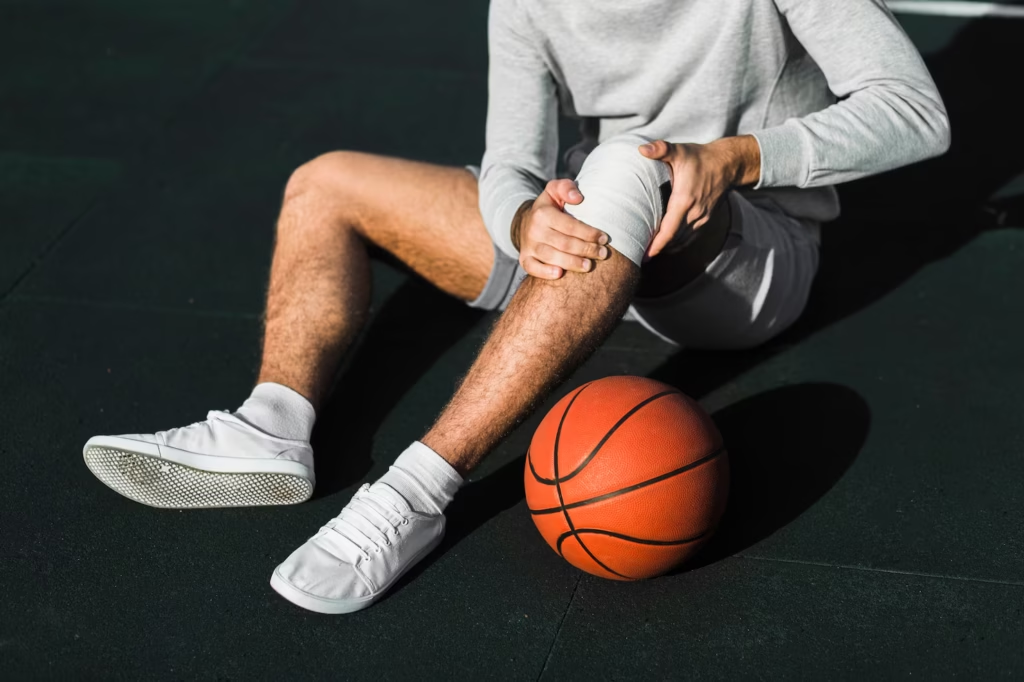
This is the question most active people ask, and the evidence is reassuring. Regular recreational running and moderate exercise have not been shown to cause arthritis, and some studies suggest they may protect the joint.
The picture changes with a serious knee injury, very heavy training loads, or a long history of high-impact competitive sport. For anyone already diagnosed, timely Knee osteoarthritis Treatment in kota can slow progression and keep you moving comfortably.
Myths vs Facts About Knees and Exercise
Many popular beliefs about knee health are incorrect. This table sets the record straight:
| Common Belief | The Reality |
| Running always ruins your knees | Recreational running is not linked to higher arthritis risk for most people |
| Rest is best for sore knees | Gentle movement and strengthening usually help more than total rest |
| Knee cracking means arthritis | Painless clicking is common and usually harmless |
| Arthritis is only for older people | Past injuries can lead to arthritis in your 30s and 40s |
| Squats and stairs damage knees | With good form, they strengthen the muscles that protect the joint |
| Surgery is the only fix | Many people improve with physiotherapy, weight control, and medicines |
If you are unsure which belief applies to you, an orthopedic surgeon in Kota can assess your knee and give clear, personalised advice.
Sports Injuries That Raise the Risk of Arthritis
Certain injuries damage the structures that keep the joint stable, and this increases the chance of arthritis years later. The most important ones are:
- ACL tear: A torn ligament that holds the knee steady, common in football, cricket, and badminton
- Meniscus tear: Damage to the shock-absorbing cartilage pad, often caused by twisting
- Cartilage injury: A direct tear or bruise to the smooth joint surface
- Fractures around the knee: Breaks that disturb the shape of the joint
- Repeated dislocation of the kneecap: Which wears the cartilage unevenly
Prompt Knee Pain Treatment in Kota after any of these injuries protects the joint and lowers the chance of long-term damage.
Why Early Injury Care Matters
A knee that was injured years ago and never properly treated is a common story we hear in clinic. The pain may fade, but the joint can stay unstable, and the cartilage slowly wears down.
Early assessment, rehabilitation, and, where needed, repair give your knee the best chance of staying healthy. A responsible orthopedic doctor in Kota will advise surgery only when it is truly needed, and will try physiotherapy first wherever possible.
Other Factors That Put Your Knees at Risk
Sport is only one part of the picture. Several everyday factors affect how your knees age:
- Excess body weight, which multiplies the load on the knees with every step
- Age, as cartilage naturally thins over time
- Family history of arthritis
- Weak thigh and hip muscles
- Bowed legs or knees that turn inward
- Previous knee surgery or injury
A thorough review by a doctor for orthopedic in Kota identifies which of these apply to you and which are within your control.
Early Signs That Your Knees Are Under Stress
Knees usually send warning signals before serious damage occurs. Watch for:
- Pain that appears during or after activity and lasts into the next day
- Stiffness after sitting or in the morning
- Swelling or warmth around the joint
- A feeling that the knee gives way or locks
- Pain climbing stairs or getting out of a chair
- A grinding feeling accompanied by pain
Do not push through these signs, because early Knee Pain Treatment in Kota is far simpler than treating advanced damage.
How to Protect Your Knees During Sport
Smart habits let you enjoy sport without fear. Follow these steps to reduce your risk:
- Warm up for 10 minutes before every session
- Increase training time and intensity gradually
- Strengthen your thigh, hip, and core muscles
- Wear supportive, well-fitted footwear and replace worn shoes
- Learn correct landing and turning techniques
- Include rest days to allow recovery
- Maintain a healthy body weight
An orthopedic surgeon in Kota can design a safe training and conditioning plan, especially if you play competitive sport.
Best Exercises to Keep Your Knees Strong
Strong muscles take pressure off the joint, so exercise is one of the best forms of knee protection. Choose a mix of strength, flexibility, and low-impact activity.
- Straight leg raises and gentle quad strengthening
- Glute bridges and side leg lifts
- Hamstring and calf stretches
- Cycling and swimming for low-impact fitness
- Controlled squats with proper form
For people who already have arthritis, guided exercise is a core part of Knee osteoarthritis Treatment in kota, along with weight control and pain management.
Treatment Options for Sports Injuries and Knee Arthritis
Treatment depends on the cause and severity, and most patients start with non-surgical care. Common options include:
- Physiotherapy: To restore strength, balance, and movement
- Activity changes: Reducing the movements that trigger pain
- Weight management: To lighten the load on the joint
- Medicines and supports: For pain and swelling relief
- Injections: For persistent pain in selected cases
- Surgery: For ligament reconstruction, meniscus repair, or joint replacement when other treatment has failed
A skilled doctor for orthopedic in Kota explains each option, so you can decide with full information.
When to See a Doctor for Knee Pain
Do not wait for pain to become severe before seeking advice. See a doctor if you notice:
- Knee pain that lasts more than two to three weeks
- Swelling soon after a twist, fall, or sports injury
- A locking, catching, or giving way sensation
- Inability to fully straighten or bend the knee
- Pain that wakes you at night
- Pain that stops you from playing sport or climbing stairs
Early advice from an orthopedic doctor in Kota often means simpler treatment and a quicker return to the activities you love.
Why Choose Niramaya Hospital for Knee Care
Asking are you ruining your knees is a smart question, and the answer begins with an accurate diagnosis. Niramaya Hospital combines a careful examination with imaging only when needed and a strong focus on non-surgical care first.
As a trusted orthopedic surgeon in Kota practice, our team explains your options honestly, including when surgery is and is not necessary.
For patients dealing with long-standing knee pain, our Knee Pain Treatment in Kota programme combines rehabilitation, activity guidance, and follow-up to protect the joint over time.
Frequently Asked Questions About Sports Injuries and Knee Arthritis
1. Does running cause knee arthritis?
For most people, recreational running does not cause arthritis and may even help protect the knees. The risk rises mainly after a serious knee injury or with very heavy, long-term high-impact training.
2. Can a sports injury lead to arthritis years later?
Yes. Injuries such as ACL tears and meniscus tears increase the risk of knee arthritis, sometimes many years after the injury. Proper treatment and rehabilitation lower this risk.
3. Is it safe to exercise with knee pain?
Gentle, low-impact exercise is usually helpful, but sharp pain, swelling, or a knee that gives way means you should stop and get assessed.
4. How can I protect my knees if I play sport regularly?
Warm up, build training gradually, strengthen your thigh and hip muscles, wear supportive footwear, take rest days, and manage your weight. Get any injury checked early.
5. When should I see an orthopedic doctor for knee pain?
See one if pain lasts more than two to three weeks, if your knee swells or locks, or if pain follows a twisting injury or fall.
Conclusion
So, are you ruining your knees with sport? Usually not. Regular movement protects your joints, while untreated injuries, extra weight, and ignored warning signs are what really raise the risk of arthritis.
If knee pain is holding you back, do not wait for it to get worse. Book a consultation with Niramaya Hospital and let our experienced team find the cause and build a plan to keep you active. Call us today or visit our clinic to schedule an appointment.