Lifestyle disorders are conditions that develop gradually as a direct result of how we live every day. Poor diet, physical inactivity, chronic stress, and disrupted sleep are the primary drivers behind conditions like obesity, type 2 diabetes, hypertension, back pain, and joint degeneration.
According to the World Health Organization, lifestyle-related non-communicable diseases account for a large majority of all deaths globally. In India, this burden is growing rapidly, particularly in urban and semi-urban areas like Kota where sedentary work patterns and changing food habits have become common.
Fact: The Indian Council of Medical Research identifies physical inactivity and unhealthy diet as the two leading modifiable risk factors for chronic disease in India today. Most of these conditions are preventable with consistent daily habits started early enough.
At Jain Ortho, patients seeking lifestyle disorder treatment often arrive with conditions that could have been avoided or significantly delayed. Our clinical team sees a direct connection between daily routine choices and musculoskeletal conditions including Low Back Pain Treatment in Kota, Knee Pain Treatment in Kota, and Hip Pain Treatment in Kota cases. This blog shares the practical steps that can protect you.
What Counts as a Lifestyle Disorder? Understanding the Connection to Joint and Bone Health
Many people associate lifestyle disorders only with heart disease or diabetes. However, at Jain Ortho, our experience as a leading joint doctor in Kota shows that musculoskeletal conditions are equally driven by lifestyle choices.
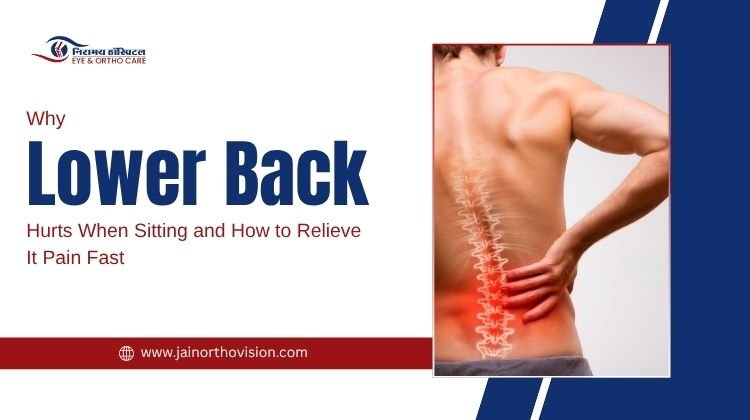
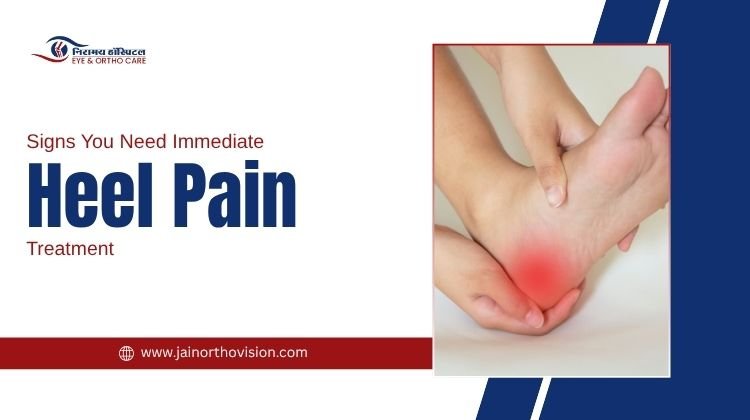
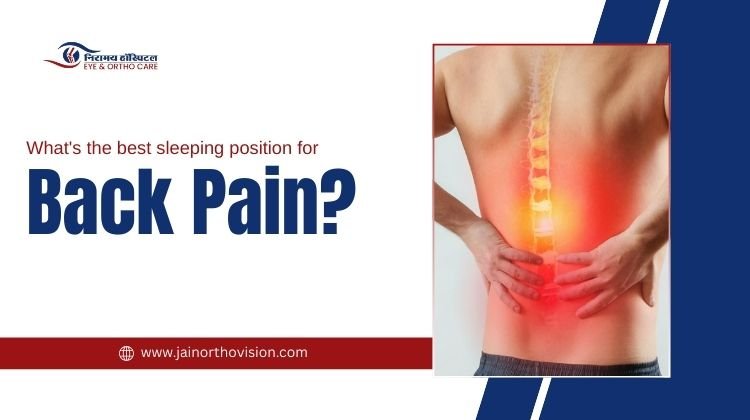
Prolonged sitting weakens the core muscles that support the spine, directly contributing to chronic low back pain. Weight gain from poor nutrition increases mechanical load on the knees and hips, accelerating cartilage degeneration. Repetitive strain from poor posture or overuse at work leads to conditions like tennis elbow and heel pain.
These connections mean that preventing lifestyle disorders also means protecting your joints, spine, and long-term mobility. The same daily habits that reduce your risk of diabetes and hypertension also reduce your need for Knee Pain Treatment in Kota, Tennis Elbow Treatment in Kota, and Heel Pain Treatment in Kota.
Daily Lifestyle Disorders and Their Connection to Orthopaedic Conditions
The table below shows how specific lifestyle habits connect to common conditions treated at Jain Ortho. This reference helps patients understand that the care they need today may have roots in choices made years ago.
| Lifestyle Habit | Related Disorder | Orthopaedic Impact |
| Prolonged sitting | Chronic low back pain | Spinal disc pressure and muscle weakness |
| Excess body weight | Knee osteoarthritis | Accelerated cartilage degeneration |
| Repetitive arm use without breaks | Tennis elbow | Tendon inflammation and micro-tears |
| Wearing unsupportive footwear | Plantar fasciitis | Heel pain and arch degeneration |
| Low calcium and vitamin D intake | Osteoporosis | Increased fracture risk |
| Poor sleep posture | Neck and shoulder pain | Cervical spine strain |
| Sedentary work routine | Hip stiffness and pain | Reduced hip joint mobility |
| High stress without recovery | Inflammatory joint conditions | Worsened inflammation in joints |
This table illustrates that lifestyle disorder treatment is not just about managing existing conditions. It is about recognising patterns before they cause irreversible damage. Our team at Jain Ortho, your trusted orthopedic for back pain in Kota, uses this kind of patient education as a core part of every consultation.
How to Prevent Lifestyle Diseases Naturally at Home: A Practical Daily Routine
The good news is that preventing lifestyle disorders does not require expensive interventions or complex programmes. A consistent daily routine built on a few key habits is enough to dramatically reduce your risk.
Morning: Start With Movement
Begin each day with at least thirty minutes of physical activity. This does not need to be intense exercise. A brisk walk, light yoga, or gentle stretching is sufficient to activate your muscles, improve circulation, and set a positive tone for the day.
Regular physical activity reduces inflammation in joints, supports a healthy body weight, and strengthens the muscles that protect your spine and knees. Patients who adopt this habit consistently report less need for back pain treatment in Kota over time.
- Walk for at least thirty minutes every morning at a comfortable pace
- Include simple stretches targeting the lower back, hips, and shoulders
- Avoid checking your phone or sitting immediately after waking up
Midday: Balanced Diet and Nutrition
What you eat directly affects inflammation levels in your body and the health of your cartilage and joints. A balanced diet and nutrition plan rich in anti-inflammatory foods is one of the most powerful tools for preventing lifestyle disorders.
- Choose whole grains, fresh vegetables, legumes, and lean proteins at every meal
- Include omega-3 rich foods like flaxseeds, walnuts, and fish to support osteoarthritis management
- Limit processed foods, refined sugar, and excess salt which all drive systemic inflammation
- Stay well hydrated throughout the day, as dehydration affects joint lubrication and disc health
Patients visiting Jain Ortho for Hip Pain Treatment in Kota and Knee Pain Treatment in Kota are routinely advised on nutritional adjustments as part of their care plan. Diet is not separate from orthopaedic health. It is central to it.
Afternoon: Posture and Work-Life Balance Tips
For working adults, the afternoon hours are often when posture breaks down and repetitive strain accumulates. This is the period most connected to the development of conditions requiring Tennis Elbow Treatment in Kota and Low Back Pain Treatment in Kota.
Work-life balance tips for the afternoon:
- Take a standing or walking break every forty-five minutes if you work at a desk
- Adjust your chair and screen height so your spine remains in a neutral position
- Avoid cradling your phone between your ear and shoulder
- Use ergonomic support for your lower back if you sit for extended periods
- Perform simple wrist and elbow stretches if your work involves repetitive hand movements
These small adjustments, practised consistently, create a significant reduction in musculoskeletal strain over weeks and months.
Evening: Stress Management Techniques and Active Recovery
Chronic stress elevates cortisol, a hormone that promotes inflammation and disrupts sleep. Stress management techniques in the evening help the body shift into recovery mode, reducing systemic inflammation and supporting joint health.
Effective evening stress management habits:
- Spend at least fifteen minutes in a quiet, screen-free activity such as reading or breathing exercises
- Practice progressive muscle relaxation or gentle meditation to reduce physical tension
- Avoid heavy meals or stimulants like caffeine within two to three hours of bedtime
- Engage in a light evening walk or stretching session to release accumulated physical tension from the day
Night: Sleep Hygiene Practices
Sleep is when the body repairs tissue, reduces inflammation, and consolidates energy for the next day. Poor sleep hygiene practices are directly linked to worsened pain perception, increased inflammatory markers, and slower recovery from injury.
- Maintain a consistent sleep and wake time every day, including weekends
- Keep your sleeping environment cool, dark, and quiet
- Sleep on a supportive mattress that maintains spinal alignment
- Avoid screens for at least an hour before bed to support natural melatonin production
Patients receiving back pain treatment in Kota at Jain Ortho are always advised on sleep hygiene as part of their treatment, because poor sleep actively worsens musculoskeletal pain and delays recovery.
How Exercise and Diet Help Prevent Chronic Diseases: The Evidence Behind the Routine
The daily routine described above is not based on opinion. It is supported by a substantial body of clinical evidence. Regular physical activity and balanced diet and nutrition together address the two most modifiable risk factors for lifestyle disorders identified by global health authorities.
Exercise reduces body weight, lowers blood pressure, improves insulin sensitivity, strengthens bones, and reduces inflammation in joints. Diet provides the raw materials for tissue repair, cartilage maintenance, and immune regulation. Together, they create a protective environment that makes chronic disease significantly less likely.
For patients already managing conditions at the Trauma Treatment Centre in Kota at Jain Ortho, these habits also speed up recovery and reduce the likelihood of recurrence.
Lifestyle Disorder Treatment In Kota: When Prevention Needs Professional Support
Sometimes lifestyle changes alone are not enough. If you are already experiencing persistent joint pain, back pain, heel pain, or signs of arthritis, professional evaluation is the next step.
Jain Ortho offers comprehensive lifestyle disorder treatment for all conditions connected to musculoskeletal health, including:
- Low Back Pain Treatment for disc problems, muscle strain, and postural pain
- Knee Pain Treatment for osteoarthritis, ligament issues, and overuse injuries
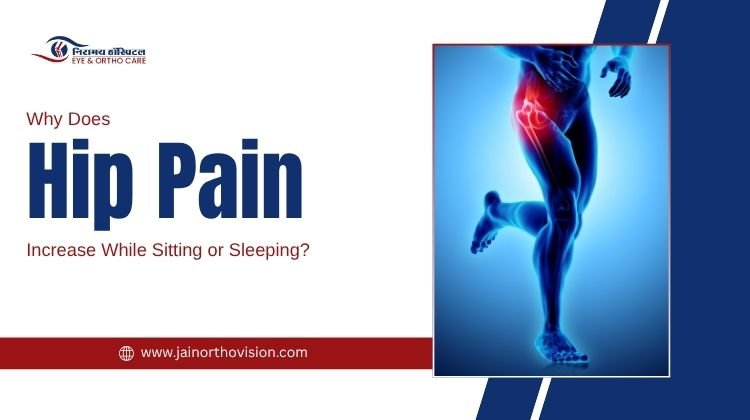
- Hip Pain Treatment for joint degeneration, bursitis, and mobility problems
- Heel Pain Treatment for plantar fasciitis and related conditions
- Tennis Elbow Treatment for lateral epicondylitis from repetitive strain
- Full trauma care through our Trauma Treatment Centre
Our team works as your joint doctor in Kota and orthopedic for back pain in Kota, combining accurate diagnosis with treatment plans that address both symptoms and the lifestyle causes behind them.
CASE STUDY
Deepak Sharma, a software professional from Kota, had been experiencing progressive lower back pain for nearly two years before visiting Jain Ortho. He worked long hours at a desk, rarely exercised, and described his diet as irregular and mostly processed food. He had tried multiple pain medications with temporary relief but no lasting improvement.
After a thorough assessment by Dr. Arvind Jain, imaging confirmed mild lumbar disc degeneration alongside significant core muscle weakness and poor postural habits. Rather than recommending surgery, Dr. Jain designed a combined programme including targeted physiotherapy, ergonomic workplace adjustments, a structured nutritional plan, and a progressive home exercise routine.
Deepak followed the programme consistently over several months. He made specific changes to his daily routine including morning walks, desk posture corrections, and an evening stretching habit. His pain reduced progressively, and he reported sleeping better and feeling more energetic within the first few weeks.
Outcome: At his follow-up review, Deepak had significantly reduced pain levels and full return to his professional duties without discomfort. He no longer relies on pain medication and continues his daily routine independently. His case reflects what structured back pain treatment in Kota combined with lifestyle correction can achieve when a patient commits fully to the process.
FAQ’s About Preventing Lifestyle Disorders
Q1. How to prevent lifestyle diseases naturally at home?
Follow a daily routine with regular exercise, balanced nutrition, adequate sleep, and stress management to prevent most lifestyle disorders naturally and effectively.
Q2. What is the best daily routine to avoid diabetes and high blood pressure?
Walk daily, eat whole foods, limit salt and sugar, manage stress, sleep well, and avoid smoking and alcohol for lasting protection against both conditions.
Q3. What are the best habits to prevent lifestyle disorders in adults?
Regular physical activity, anti-inflammatory diet, consistent sleep schedule, stress management techniques, and annual health check-ups are the most effective prevention habits for adults.
Q4. How does exercise help prevent chronic diseases?
Exercise reduces body fat, lowers blood pressure, improves insulin response, strengthens joints, and reduces inflammation, making it one of the most powerful tools against chronic disease.
Q5. Can a simple daily routine prevent joint pain and back pain?
Yes. Correct posture, regular movement breaks, core strengthening exercises, and good sleep hygiene significantly reduce the risk of knee pain, back pain, and hip pain.
Q6. What foods help prevent lifestyle disorders and inflammation in joints?
Leafy greens, omega-3 fatty acids, turmeric, whole grains, and fresh fruit reduce inflammation in joints and support overall health when eaten consistently as part of daily meals.
Q7. How does stress cause lifestyle disorders?
Chronic stress elevates cortisol, which promotes systemic inflammation, disrupts sleep, weakens immunity, and accelerates joint degeneration, contributing directly to multiple lifestyle disorders over time.
Q8. When should I see a doctor for a lifestyle disorder?
See a doctor if you experience persistent pain, fatigue, unexplained weight changes, or joint stiffness lasting more than a few weeks despite lifestyle corrections and home management.
Conclusion
Lifestyle disorders do not develop overnight and they do not have to be permanent. The choices made each day, from how you move and eat to how you sleep and manage stress, create either a protective or a harmful environment for your long-term health. Jain Ortho stands beside every patient in Kota as a trusted partner for both prevention and treatment. Start your daily routine today, and let our expert team support you wherever prevention needs professional care.