
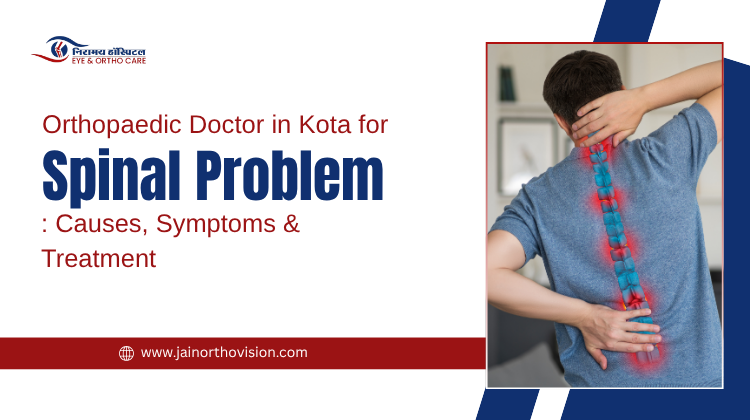
Consulting an orthopaedic doctor in Kota for spinal problem concerns early can prevent months of unnecessary discomfort, since the spine supports nearly every movement the body makes. Back and neck pain rank among the most common reasons people seek medical care, yet the underlying cause can range from simple muscle strain to a condition requiring specialized treatment.
At Niramaya Hospital, we see patients with spinal concerns ranging from occasional stiffness to pain that radiates down the leg or significantly limits daily movement. This guide explains the most common spinal conditions, their symptoms, and what treatment typically involves.
Common Causes of Spinal Problems
Spinal problems can originate from several different structures, including discs, joints, nerves, and the bones of the spine itself. Identifying the specific cause is essential before deciding on the right treatment approach.
- Herniated or slipped disc: The soft inner portion of a spinal disc pushes through its outer layer, often pressing on nearby nerves
- Spinal stenosis: Narrowing of the spaces within the spine, which can place pressure on the spinal cord and nerve roots
- Sciatica: Compression or irritation of the sciatic nerve, often caused by a herniated disc or stenosis
- Degenerative disc disease: Age-related wear and tear that causes discs to lose their cushioning ability over time
- Scoliosis: An abnormal sideways curvature of the spine that can affect posture and cause pain
- Spondylolisthesis: A condition where one vertebra slips forward over the one beneath it
- Spinal fractures: Breaks in the vertebrae, often from falls, accidents, or weakened bone
Since several of these conditions share overlapping symptoms, an accurate diagnosis matters far more than guessing based on pain location alone.
Recognizing the Symptoms of Spinal Problems
Spinal problems can present in many different ways depending on which part of the spine is affected and whether nerves are involved. Common symptoms include:
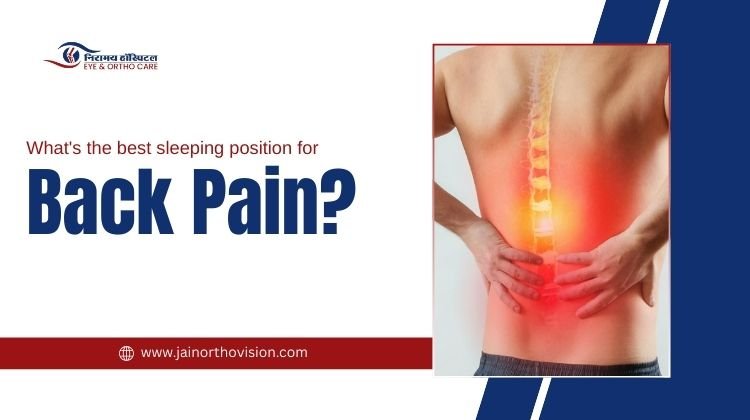
- Persistent back or neck pain that does not improve with rest
- Pain that radiates into the buttocks, legs, or arms
- Numbness, tingling, or a burning sensation in the limbs
- Muscle weakness affecting the arms or legs
- Difficulty standing or walking for extended periods
- Stiffness that limits your normal range of motion
- In severe cases, loss of bladder or bowel control, which requires immediate medical attention
Pain that radiates down the leg, often described as sciatica, frequently points toward nerve compression from a herniated disc or spinal stenosis rather than simple muscle strain.
When Should You See an Orthopaedic Doctor for Spinal Problems?
Not all back or neck discomfort requires an immediate visit, but certain signs indicate it is time to schedule an evaluation rather than continue managing symptoms at home. You should see a doctor if you experience:
- Pain that persists for more than a few weeks despite rest and home care
- Pain radiating into the arms or legs, accompanied by numbness or tingling
- Noticeable weakness in the limbs
- Pain following a fall, accident, or significant injury
- Loss of bladder or bowel control, which requires emergency evaluation
An experienced orthopedic surgeon in Kota can determine whether your symptoms point toward a condition that responds well to conservative treatment or one that requires more specialized care.
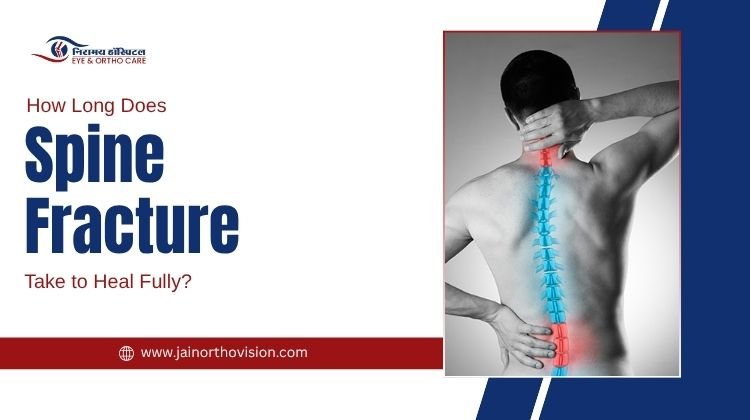
Spinal Fractures: A Distinct and Urgent Concern
Not every spinal problem develops gradually, and fractures deserve particular attention because they often follow a specific traumatic event. A fall from height, a road accident, or even a minor fall in someone with weakened bone can result in a vertebral fracture.
Symptoms of a spinal fracture can include sudden, severe back pain, difficulty standing, and in some cases, numbness or weakness if the fracture affects nearby nerves. Prompt evaluation for Spine Fractures Treatment in Kota is essential, since delayed diagnosis can allow instability or nerve involvement to worsen.
Depending on severity, Spine Fractures Treatment may range from a supportive brace for stable fractures to surgical stabilization when the fracture threatens spinal alignment or nerve function.
How Are Spinal Problems Diagnosed?
Diagnosing a spinal problem begins with a physical examination, where the doctor assesses posture, range of motion, reflexes, and areas of tenderness. This initial evaluation often narrows down the likely cause considerably before imaging is needed.
Imaging tests confirm the diagnosis and guide treatment decisions:
- X-rays reveal fractures, alignment issues, and bone-related changes
- MRI scans provide detailed images of discs, nerves, and soft tissue
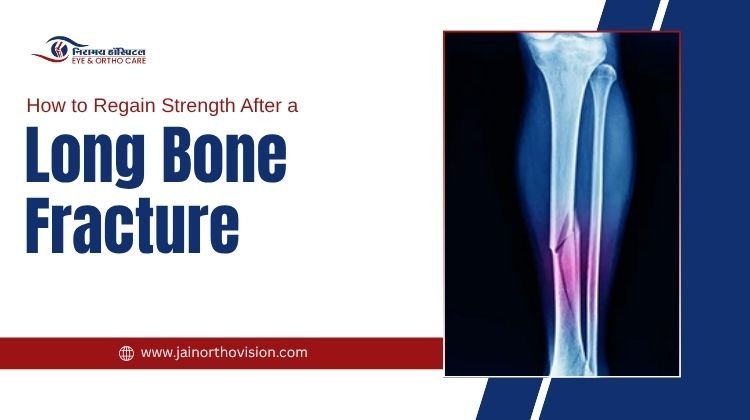
- CT scans offer detailed bone imaging, particularly useful for complex fractures
This combination of exam and imaging allows your doctor to distinguish between the many possible causes of spinal pain accurately.
Non-Surgical Treatment Options for Spinal Problems
Many spinal conditions, particularly in their earlier stages, respond well to conservative treatment before surgery is ever considered. Common non-surgical approaches include:
- Physical therapy to strengthen supporting muscles and improve posture
- Activity modification to avoid movements that worsen symptoms
- Anti-inflammatory medications to reduce pain and swelling
- Epidural steroid injections for more significant nerve-related pain
- Bracing to provide support during healing, particularly for certain fractures
- Heat and cold therapy to manage acute flare-ups of pain
Most patients with sciatica, for example, find meaningful relief through conservative treatment alone, with surgery reserved for cases that do not improve over time.
When Is Surgery Necessary for Spinal Problems?
Surgery becomes a consideration when conservative treatment fails to provide adequate relief, or when there is significant nerve compression, instability, or structural damage. The specific procedure depends heavily on the underlying diagnosis.
Common surgical options include:
- Discectomy: Removing part of a herniated disc pressing on a nerve
- Spinal decompression surgery: Relieving pressure on the spinal cord or nerve roots from stenosis
- Spinal fusion: Joining two or more vertebrae together to provide additional stability
- Fracture stabilization: Using rods and screws to stabilize a fractured vertebra
A thorough discussion of Spine Problem Treatment in Kota options, including the risks and expected recovery of each surgical approach, helps patients make an informed decision alongside their surgeon.
Recovery and Long-Term Spinal Health
Recovery timelines vary considerably depending on the specific condition and whether treatment was surgical or non-surgical. Many patients with disc-related pain or sciatica see significant improvement within several weeks of consistent physical therapy.
Surgical recovery, particularly for spinal fusion or fracture stabilization, generally takes longer, often extending to a few months before returning to full activity. Following your surgeon’s rehabilitation guidance closely plays a major role in achieving the best possible long-term outcome.
Long-term spinal health also depends on ongoing habits. Maintaining good posture, staying physically active, and avoiding prolonged periods of sitting all help protect the spine from future problems.
Why Choose Niramaya Hospital for Spinal Problem Treatment in Kota
Effective care for any spinal problem depends on identifying the exact cause of discomfort, since herniated discs, stenosis, fractures, and other conditions each require distinctly different treatment approaches. Niramaya Hospital combines a detailed physical assessment with appropriate imaging for every patient, rather than assuming a generic diagnosis.
Our team includes experienced orthopedic doctors in Kota who walk patients through every treatment option honestly, from conservative care through surgical solutions when genuinely necessary.
As a trusted Kota best orthopedic doctor practice for spine conditions, we combine detailed diagnosis with structured physiotherapy support, so patients understand exactly why a particular treatment path was recommended for their specific condition.
Frequently Asked Questions About Spinal Problems
1. What is the most common cause of back pain?
Muscle strain and disc-related issues, such as a herniated disc, are among the most common causes of back pain, though the exact cause varies significantly depending on age, activity level, and injury history.
2. Can a herniated disc heal without surgery?
Yes, in many cases. A large percentage of patients with disc-related pain, including sciatica, improve significantly with conservative treatment like physical therapy and medication, without ever needing surgery.
3. When is back pain considered an emergency?
Back pain accompanied by loss of bladder or bowel control, significant leg weakness, or pain following a serious fall or accident should be treated as an emergency requiring immediate evaluation.
4. How long does recovery take after spinal fusion surgery?
Recovery from spinal fusion generally takes several months, with most patients gradually returning to normal activities as the fused vertebrae heal and stabilize.
5. Can spinal problems be prevented?
While not all spinal conditions are preventable, maintaining good posture, staying physically active, avoiding smoking, and managing body weight can significantly reduce the risk of many common spinal problems.
Conclusion
Finding the right orthopaedic doctor in Kota for spinal problem concerns starts with an accurate diagnosis, since conditions like herniated discs, spinal stenosis, and fractures each require a distinctly different treatment approach for the best outcome. With early evaluation and the right combination of conservative care or surgery, most patients achieve significant, lasting relief.
If back or neck pain is affecting your daily life, do not wait for it to worsen before seeking help. Book a consultation with Niramaya Hospital and let our experienced team diagnose the cause of your spinal problem and build a personalized treatment plan. Call us today or visit our clinic to schedule an appointment.