
Consulting an orthopaedic doctor in Kota for knee pain early makes a real difference, since the exact cause of the pain determines whether simple home care or a more structured treatment plan is the right approach. The knee is one of the most heavily used joints in the body, and pain here can stem from injury, gradual wear, or an underlying medical condition.
At Niramaya Hospital, we see knee pain patients ranging from young athletes recovering from a sports injury to older adults managing years of joint wear. This guide explains the most common causes of knee pain, when to seek help, and what treatment typically involves.
Common Causes of Knee Pain
Knee pain can originate from several different structures within or around the joint, and identifying the specific cause guides every treatment decision that follows. The most frequent causes include:
- Osteoarthritis: Gradual breakdown of the cartilage cushioning the knee joint, common with age
- Ligament injuries: Sprains or tears of the ACL, MCL, or other stabilizing ligaments
- Meniscus tears: Damage to the cartilage that cushions and stabilizes the knee
- Tendinitis: Inflammation of the tendons surrounding the knee, often from overuse
- Bursitis: Inflammation of the fluid-filled sacs that cushion the joint
- Gout or other inflammatory arthritis: Sudden, intense pain and swelling from crystal buildup or autoimmune activity
- Referred pain: Pain originating in the hip that is felt in the knee
Since many of these conditions cause overlapping symptoms, consulting an orthopaedic doctor in Kota for knee pain rather than guessing at the cause leads to faster, more accurate treatment.
Recognizing the Symptoms of Knee Pain
Knee pain symptoms vary considerably depending on the underlying cause, and paying attention to the specific pattern helps guide diagnosis. Common symptoms include:
- Swelling, stiffness, or warmth around the joint
- Difficulty fully straightening or bending the knee
- A sense of instability or the knee giving way
- Popping, clicking, or grinding sounds during movement
- Pain that worsens with activity, such as climbing stairs or squatting
- Redness or noticeable warmth, which can suggest infection or inflammatory arthritis
Symptoms that appear suddenly after an injury often point toward a ligament or meniscus tear, while pain that develops gradually over months or years is more commonly associated with osteoarthritis.
When Should You See an Orthopaedic Doctor for Knee Pain?
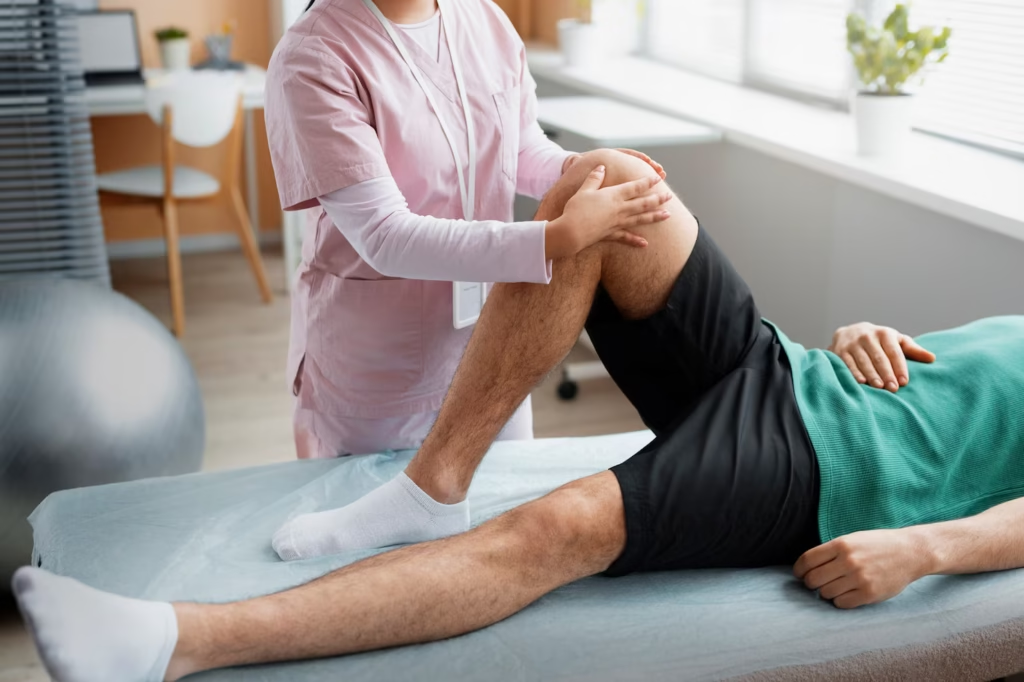
Not every twinge in the knee requires an immediate visit, but certain signs indicate it is time to schedule an evaluation rather than wait it out. You should see a doctor if you experience:
- Swelling, buckling, or an inability to bear weight, especially after an injury
- Pain that persists or worsens despite rest and home care
- Visible deformity of the knee joint
- Fever combined with knee swelling or warmth, which may suggest infection
- Pain that significantly limits daily activities like walking or climbing stairs
Knee pain that seems to be shifting from a short-term, acute problem into ongoing, long-lasting discomfort is a particularly important signal to seek evaluation from an orthopedic surgeon in Kota before the condition becomes harder to manage.
How Is Knee Pain Diagnosed?
Diagnosing the cause of knee pain begins with a physical examination, where the doctor checks range of motion, stability, swelling, and tenderness around specific parts of the joint. This initial exam often narrows the likely cause considerably before any imaging is needed.
Imaging and lab tests help confirm the diagnosis when more detail is required:
- X-rays reveal joint space narrowing, bone spurs, or fractures
- MRI scans show detailed images of ligaments, tendons, cartilage, and other soft tissue
- Ultrasound can assess the knee in different positions to check for specific problems
- Blood tests help identify infection or types of inflammatory arthritis, such as gout
A thorough evaluation also considers whether the pain is actually originating in the knee itself, since hip problems can sometimes cause pain that is felt in the knee.
Non-Surgical Treatment Options for Knee Pain
Most cases of knee pain, particularly in earlier stages, respond well to conservative treatment before surgery is ever considered. Common non-surgical approaches include:
- Rest and activity modification to reduce stress on the joint during the acute phase
- Physical therapy to strengthen the muscles supporting the knee and improve stability
- Medications such as NSAIDs or acetaminophen to reduce pain and inflammation
- Bracing to provide additional support during activity or recovery
- Corticosteroid injections for short-term relief of significant inflammation
- Hyaluronic acid injections to help lubricate the joint and improve mobility for several months
- Weight management to reduce the overall load placed on the knee joint
For patients with osteoarthritis specifically, a dedicated Knee osteoarthritis treatment in Kota can combine several of these approaches into a structured, long-term management plan rather than treating each flare-up in isolation.
When Is Surgery Necessary for Knee Pain?
Surgery becomes a consideration when conservative treatment no longer provides meaningful relief, or when structural damage, such as a significant ligament or meniscus tear, is unlikely to heal well on its own. The specific procedure depends heavily on the underlying diagnosis.
Common surgical options include:
- Arthroscopy: A minimally invasive procedure to repair or remove damaged tissue within the joint
- Ligament reconstruction: Rebuilding a torn ligament, most commonly the ACL, using a tissue graft
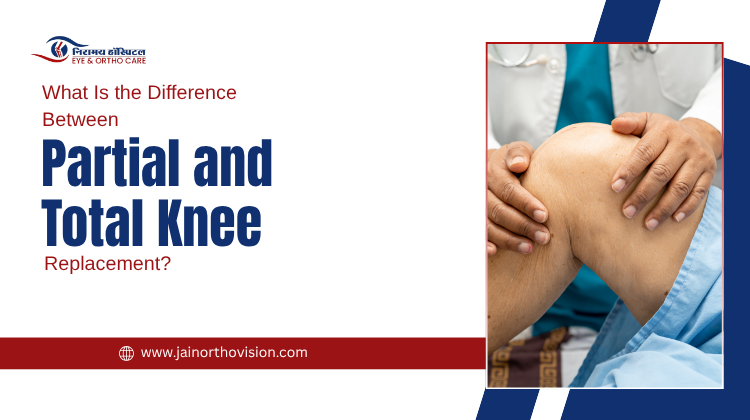
- Partial or total knee replacement: Resurfacing part or all of the joint in cases of advanced arthritis
Modern surgical techniques, including minimally invasive options, have improved recovery times considerably compared to older surgical approaches, allowing many patients to return to daily activities sooner than in the past.
Recovery and Long-Term Knee Care
Recovery timelines vary significantly depending on the cause of the knee pain and whether treatment was surgical or non-surgical. Many soft tissue injuries improve within several weeks of consistent physical therapy, while surgical recovery, particularly for ligament reconstruction or joint replacement, can take a few months.
Long-term knee health also depends on habits that continue well after initial treatment. Maintaining a healthy weight, staying consistent with strengthening exercises, and avoiding activities that repeatedly aggravate the joint all help protect the knee from future problems.
Why Choose Niramaya Hospital for Knee Pain Treatment in Kota
Effective Knee Pain Treatment in Kota depends on identifying the exact cause of discomfort, since ligament injuries, arthritis, and inflammatory conditions all require distinctly different treatment approaches. Niramaya Hospital combines a thorough physical assessment with appropriate imaging for every patient, rather than assuming a generic diagnosis.
Our team includes experienced orthopedic doctors in Kota who walk patients through every treatment option honestly, from simple rest and physical therapy through more advanced surgical solutions when genuinely needed.
As a trusted Kota best orthopedic doctor practice for joint conditions, we also emphasize long-term prevention alongside treatment, helping patients protect their knee health well beyond the initial visit.
Frequently Asked Questions About Knee Pain Treatment
1. What is the most common cause of knee pain in adults?
Osteoarthritis is among the most common causes of chronic knee pain, particularly in adults over 50, though ligament injuries and meniscus tears are frequent causes in younger, more active patients.
2. Can knee pain go away without treatment?
Mild knee pain from minor overuse can sometimes improve with rest and basic home care. However, pain that persists beyond a week or two, or that involves swelling and instability, generally needs professional evaluation.
3. Is walking good or bad for knee pain?
It depends on the cause. Gentle, low-impact walking often helps knee osteoarthritis by maintaining joint mobility, but walking on an unstable or significantly injured knee can worsen certain conditions, so it is best to check with your doctor first.
4. How do I know if my knee pain requires surgery?
Surgery is generally considered when conservative treatments like physical therapy, medication, and injections fail to provide adequate relief, or when imaging reveals significant structural damage unlikely to heal on its own.
5. Can knee pain be a sign of a problem elsewhere in the body?
Yes. Knee pain can sometimes be referred pain originating from the hip, which is why a thorough physical examination is important before assuming the problem lies entirely within the knee itself.
Conclusion
Finding the right orthopaedic doctor in Kota for knee pain starts with an accurate diagnosis, since the many possible causes of knee discomfort each require a distinct treatment approach for the best outcome. With early evaluation and the right combination of conservative care or surgery, most patients achieve significant, lasting relief.
If knee pain is affecting your daily activities, do not wait for it to worsen before seeking help. Book a consultation with Niramaya Hospital and let our experienced team diagnose the cause of your knee pain and build a personalized treatment plan. Call us today or visit our clinic to schedule an appointment.