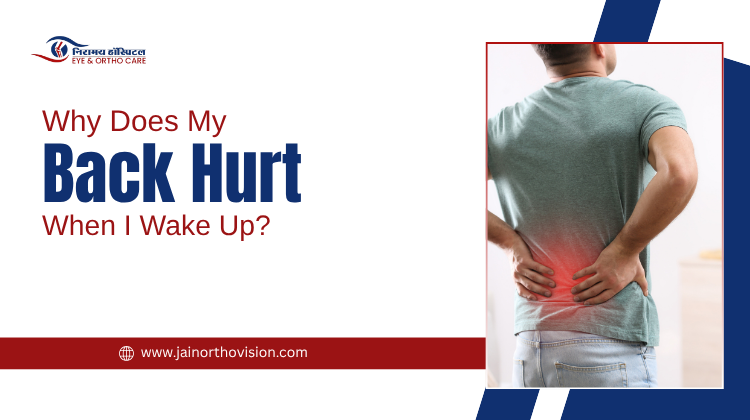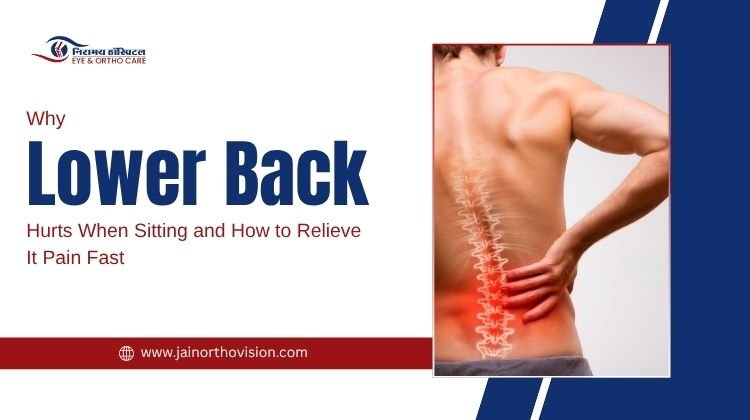
Low back pain is the most common spine problem worldwide, affecting up to 80 percent of people at some point in their lives. It is also the leading cause of disability globally, and disc-related issues are its most frequent underlying cause.
At Niramaya Hospital, we see low back pain patients more often than any other spinal complaint, ranging from mild, short-lived discomfort to persistent pain that significantly limits daily life. This guide explains why low back pain is so widespread, what typically causes it, and what treatment involves.
Why Low Back Pain Is the Most Common Spine Problem
Several factors combine to make low back pain such a widespread issue. The lower spine bears the majority of the body’s weight and absorbs stress from nearly every movement, whether standing, sitting, lifting, or twisting.
Modern lifestyles compound this natural vulnerability. Long hours of sitting, repetitive lifting at work, and general deconditioning all place additional strain on the structures of the lower back, making it far more prone to injury and wear than other parts of the spine. This is one reason orthopedic doctor in Kota see low back pain far more often than any other spinal complaint in daily practice.
The Leading Cause Behind the Most Common Spine Problem
While low back pain itself is the most common spine problem overall, disc-related issues are its most frequent specific cause. The spinal discs act as cushions between the vertebrae, and they gradually lose hydration and flexibility with age, a process called disc degeneration.
Disc degeneration begins remarkably early, often starting in the teenage years, and its prevalence increases steadily with age. Not everyone with disc degeneration experiences pain, but when combined with repeated strain or a sudden injury, degenerated discs are considerably more prone to herniation, where the inner disc material pushes outward and irritates nearby nerves. Recognizing this progression is exactly why an experienced orthopedic surgeon in Kota looks beyond a single X-ray before recommending a treatment path.
Other Common Causes of Low Back Pain
Beyond disc-related issues, several other conditions frequently contribute to low back pain. Understanding these causes helps explain why treatment approaches can vary so much between patients.
- Muscle or ligament strain: Often from improper lifting, sudden movement, or overuse
- Sciatica: Compression or irritation of the sciatic nerve, frequently caused by a herniated disc
- Spinal stenosis: Narrowing of the spaces within the spine that places pressure on nerves
- Facet joint pain: Irritation of the small joints connecting each vertebra
- Sacroiliac joint dysfunction: Pain originating from the joint connecting the spine to the pelvis
- Poor posture: Prolonged sitting or standing in positions that strain the lower back over time
Since these causes often overlap in how they feel, an accurate diagnosis is essential before starting treatment rather than assuming the cause based on pain location alone. Consulting experienced orthopedic doctor in Kota early helps narrow down which of these overlapping conditions is genuinely responsible for your symptoms.
Which Part of the Spine Is Affected Most Often?
Within the lower back specifically, certain segments of the spine bear a disproportionate share of the strain. The lowest two segments, where the spine meets the pelvis, are involved in the majority of low back disorders, since this area bears the greatest weight and experiences the most movement.
This concentration of stress explains why disc herniations and degenerative changes so frequently occur at these specific levels rather than being evenly distributed throughout the lower spine. A Spine Fractures Treatment doctors in Kota team examining this same lower segment after trauma often finds fractures concentrated in this same high-stress region for similar reasons.
Recognizing the Symptoms of the Most Common Spine Problem
Low back pain symptoms vary depending on the underlying cause, though certain patterns appear frequently across most cases. Common symptoms include:
- Dull, aching pain localized to the lower back
- Sharp pain that worsens with specific movements, such as bending or lifting
- Pain that radiates into the buttocks or legs, often associated with sciatica
- Stiffness that limits normal range of motion
- Muscle spasms in the lower back
- Pain that improves with rest but returns with activity, or vice versa
Pain radiating down the leg, accompanied by numbness or tingling, generally points toward nerve involvement rather than simple muscle strain, and this pattern deserves particular attention during evaluation by an orthopedic surgeon in Kota.
How Is Low Back Pain Diagnosed?
Diagnosing the specific cause of low back pain begins with a physical examination, where the doctor assesses posture, range of motion, reflexes, and areas of tenderness. This initial evaluation often narrows down the likely cause considerably before imaging is needed.
Imaging tests confirm the diagnosis when further clarity is required:
- X-rays reveal alignment issues, bone spurs, or fractures
- MRI scans provide detailed images of discs, nerves, and soft tissue
- CT scans offer detailed bone imaging, particularly useful for complex cases
Doctors generally avoid ordering imaging immediately for uncomplicated low back pain, since most cases improve significantly within six weeks of conservative treatment without needing detailed scans. Experienced orthopedic doctor in Kota typically reserve imaging for cases that fail to improve with this initial period of conservative care.
Non-Surgical Treatment for Low Back Pain
Most cases of low back pain, even those involving a herniated disc, respond well to conservative treatment. Common approaches include:
- Physical therapy to strengthen core and back muscles and improve flexibility
- Activity modification to avoid movements that worsen symptoms while staying generally active
- Anti-inflammatory medications to reduce pain and swelling
- Heat and cold therapy to manage acute flare-ups
- Epidural steroid injections for more significant nerve-related pain
- Posture and ergonomic adjustments to reduce ongoing strain during daily activities
Research consistently shows that a large majority of patients with disc-related low back pain, including sciatica, see meaningful improvement through conservative treatment alone, without ever requiring orthopedic surgery in Kota.
When Is Surgery Considered for Low Back Pain?
Surgery becomes a consideration when conservative treatment fails to provide adequate relief after a reasonable trial period, or when there is significant nerve compression, weakness, or instability. The specific type of orthopedic surgery in Kota recommended depends heavily on the underlying diagnosis.
Common surgical options include discectomy, which removes the portion of a herniated disc pressing on a nerve, and spinal decompression, which relieves pressure from stenosis. Spinal fusion, joining two or more vertebrae for added stability, is reserved for cases involving significant instability.
Low Back Pain from Spinal Fractures
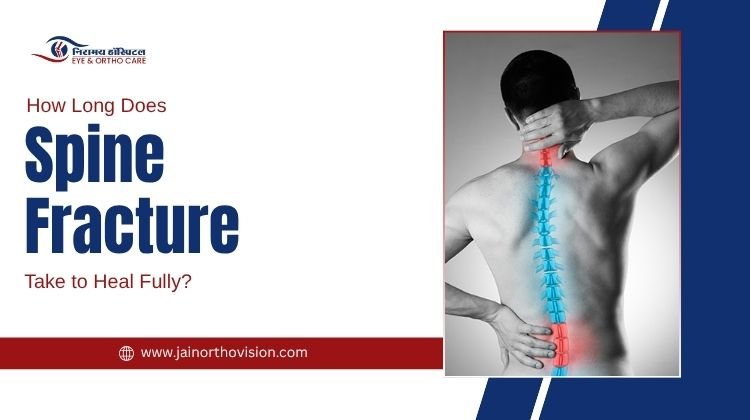
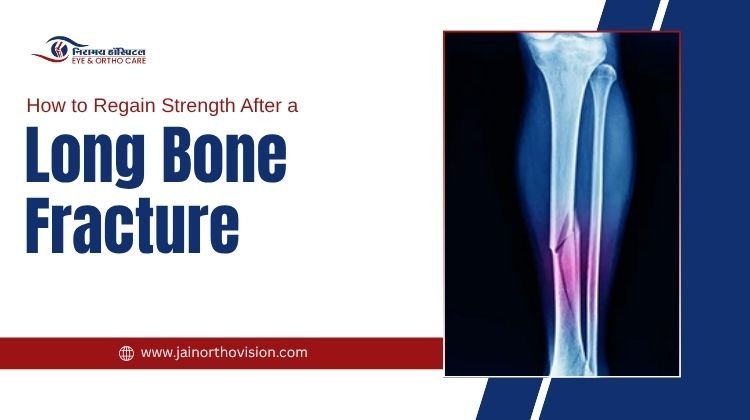
Not all low back pain develops gradually, and fractures deserve particular attention since they typically follow a specific traumatic event or, in some cases, weakened bone from osteoporosis. A fall, accident, or even a minor fall in someone with reduced bone density can result in a vertebral fracture.
Prompt evaluation for Spine Fractures Treatment in Kota is essential in these cases, since delayed diagnosis can allow instability or nerve involvement to worsen.
Depending on severity, appropriate Spine Fractures Treatment may range from a supportive brace for stable fractures to surgical stabilization when the fracture threatens spinal alignment.
When to See a Doctor for Low Back Pain
Most low back pain improves within a few weeks with rest and basic home care, but certain signs indicate it is time to schedule an evaluation rather than continue waiting.
- Pain that persists beyond several weeks despite conservative care
- Pain radiating into the legs, accompanied by numbness or weakness
- Pain following a fall, accident, or significant injury
- Loss of bladder or bowel control, which requires emergency evaluation
- Back pain accompanied by unexplained weight loss or fever
Experienced orthopedic doctors in Kota can determine whether your low back pain reflects simple muscle strain or a more significant underlying condition requiring targeted treatment.
Why Choose Niramaya Hospital for Low Back Pain and Spine Care
Effectively treating low back pain, the most common spine problem people experience, starts with identifying its exact cause, since muscle strain, disc herniation, and fractures each require distinctly different treatment approaches. Niramaya Hospital combines a thorough physical assessment with imaging when genuinely needed, rather than defaulting to unnecessary testing for straightforward cases.
For patients requiring surgical intervention, our team includes an experienced orthopedic surgeon in Kota who discusses realistic expectations and recovery timelines honestly, well before any procedure is scheduled.
For fracture-related spinal pain specifically, our Spine Fractures Treatment doctors in Kota combine detailed imaging with individualized care plans suited to each patient’s specific fracture pattern and bone health.
Frequently Asked Questions About the Most Common Spine Problem
1. What is the most common cause of low back pain specifically?
Disc-related issues, including degeneration and herniation, are among the most common specific causes of low back pain, though muscle strain is also extremely frequent, particularly after lifting or sudden movement.
2. Does everyone with disc degeneration experience back pain?
No. Disc degeneration is extremely common and often shows up on imaging without causing any symptoms at all. Pain typically develops when degeneration combines with additional strain or injury.
3. How long does low back pain typically last?
Most cases of low back pain improve significantly within six weeks with conservative treatment, though some patients experience recurring episodes over time if underlying causes are not addressed.
4. Is surgery usually necessary for a herniated disc?
No. The majority of patients with a herniated disc, including those with sciatica, improve significantly with conservative treatment like physical therapy and medication, without ever needing surgery.
5. Can low back pain be a sign of a fracture?
Yes, particularly if the pain follows a fall, accident, or occurs in someone with weakened bone density. Sudden, severe back pain after an injury should be evaluated promptly to rule out a fracture.
Conclusion
Low back pain remains the most common spine problem worldwide, driven largely by disc-related changes, muscle strain, and the everyday demands placed on the lower spine. With an accurate diagnosis and the right combination of conservative care or, when necessary, surgery, most patients achieve significant, lasting relief.
If low back pain is affecting your daily life, do not wait for it to worsen before seeking help. Book a consultation with Niramaya Hospital and let our experienced team diagnose the cause of your back pain and build a personalized treatment plan. Call us today or visit our clinic to schedule an appointment.