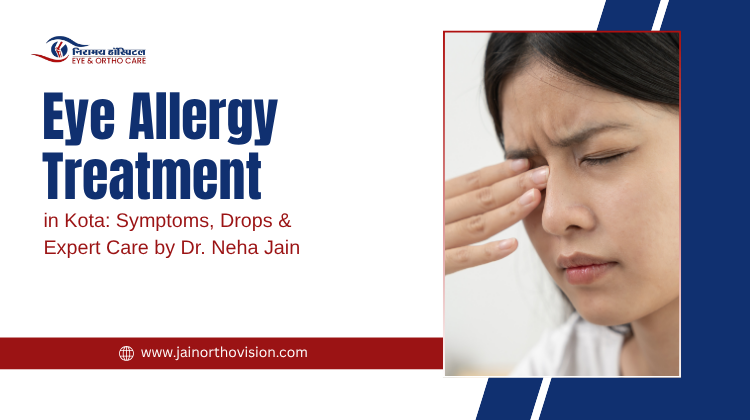

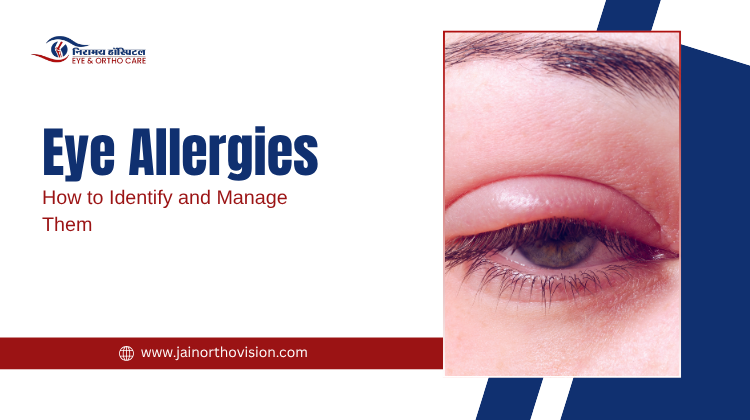
Eye allergies happen when your immune system overreacts to substances like pollen, dust, or pet dander, causing redness, itching, and watering. The medical term for this reaction is allergic conjunctivitis, and it affects millions of people every year, especially during changing seasons.
At Niramaya Hospital, one of the best eye hospital in Kota for allergy and general eye care, we see a sharp rise in patients with eye allergies during pollen season and dusty summer months.
What Are Eye Allergies and Why Do They Happen?
Eye allergies occur when allergens come into contact with the conjunctiva, the thin membrane covering the white of the eye and lining the inside of the eyelids. Your immune system mistakes harmless particles like pollen for a threat and releases histamine to fight them off.
This histamine release causes small blood vessels in the eyes to swell and leak fluid. The result is the classic combination of redness, itching, and watering that most people recognize immediately.
Eye allergies are not contagious, unlike viral or bacterial conjunctivitis. They also typically affect both eyes at the same time, which is one way doctors distinguish them from an eye infection.
Common Symptoms of Eye Allergies
Recognizing the symptoms early makes eye allergies much easier to manage before they worsen. The most common signs include:
- Intense itching, often the most noticeable symptom
- Redness in the white part of the eye
- Watery or teary eyes
- Swollen or puffy eyelids
- A gritty or burning sensation
- Dark circles under the eyes, sometimes called allergic shiners
- Clear, watery discharge rather than thick yellow or green discharge
If discharge is thick, colored, or accompanied by pain and light sensitivity, it may indicate an infection rather than eye allergies, and a visit to your eye doctor in Kota is recommended.
What Causes Eye Allergies? Common Triggers to Know
Eye allergies fall into two broad categories based on how often symptoms occur.
Seasonal allergic conjunctivitis happens during specific times of year, usually spring and summer, when pollen counts rise. Symptoms often appear suddenly and improve once pollen levels drop.
Perennial allergic conjunctivitis occurs year-round and is triggered by indoor allergens rather than seasonal ones.
Common triggers of eye allergies include:
| Trigger Type | Examples | Common Season |
| Outdoor allergens | Pollen, grass, weeds | Spring and summer |
| Indoor allergens | Dust mites, mold, pet dander | Year-round |
| Irritants | Smoke, perfume, air pollution | Year-round |
| Contact lens related | Lens debris, poor lens hygiene | Any time |
| Cosmetic related | Eye makeup, certain eye drops | Any time |
Identifying your specific trigger is one of the most effective steps toward managing eye allergies long term.
How Are Eye Allergies Diagnosed?
Diagnosing eye allergies usually does not require extensive testing. An ophthalmologist in Kota can typically identify allergic conjunctivitis through a physical eye exam and a review of your symptom pattern and history.
In cases where symptoms are severe, recurring, or unclear, your doctor may recommend an allergy test, such as a skin prick test, to pinpoint the exact allergen. This is especially useful when planning long-term prevention strategies.
How to Manage Eye Allergies at Home
Simple lifestyle changes can significantly reduce eye allergies symptoms, often before medication is even needed.
- Avoid rubbing your eyes, since this releases more histamine and worsens irritation
- Apply a cold compress to reduce swelling and soothe itching
- Use preservative-free artificial tears to flush allergens from the eye surface
- Wear wraparound sunglasses outdoors to block pollen and dust
- Keep windows closed during high pollen periods and use air conditioning instead
- Wash bedding regularly in hot water to reduce dust mite exposure
- Remove contact lenses during flare-ups and switch to glasses temporarily
These steps help control mild to moderate eye allergies without needing daily medication.
Medical Treatment Options for Eye Allergies
When home remedies are not enough, several effective treatments are available for eye allergies.
Over-the-counter options:
- Antihistamine eye drops to reduce itching and redness
- Oral antihistamines, though these can sometimes dry out the eyes
- Lubricating eye drops to dilute and wash away allergens
Prescription options:
- Antihistamine or mast cell stabilizer eye drops for more persistent symptoms
- Combination drops that both relieve current symptoms and prevent future flare-ups
- Short-term steroid eye drops for severe inflammation, used only under medical supervision
Decongestant eye drops should not be used for more than a few days, since prolonged use can actually worsen redness once discontinued. A qualified best eye specialist in Kota can help you choose the right combination based on how often and how severely your symptoms occur.
When to See an Eye Doctor for Eye Allergies
Most cases of eye allergies can be managed with home care and over-the-counter drops. However, you should schedule a visit with your eye doctor in Kota if you notice:
- Symptoms that do not improve after a week of home treatment
- Thick, colored discharge instead of clear, watery discharge
- Pain, light sensitivity, or blurred vision
- Symptoms in only one eye rather than both
- Swelling severe enough to affect your vision
These signs may point to an infection or another underlying eye condition that needs prompt professional evaluation.
Why Choose Niramaya Hospital for Eye Allergy Care in Kota
Managing eye allergies effectively requires more than a quick prescription. It requires identifying your specific triggers, ruling out infections, and building a long-term prevention plan suited to your lifestyle.
Niramaya Hospital is trusted as the best eye hospital in Kota because our team takes the time to understand each patient’s allergy pattern rather than offering a one-size-fits-all solution. Our ophthalmologist in Kota specialists combine accurate diagnosis with practical, easy-to-follow home care guidance so patients get lasting relief, not just temporary comfort.
Frequently Asked Questions About Eye Allergies
1. Are eye allergies contagious?
No. Eye allergies are an immune response to allergens and cannot spread from person to person, unlike viral or bacterial conjunctivitis.
2. How can I tell the difference between eye allergies and an eye infection?
Eye allergies usually affect both eyes at once, cause intense itching, and produce clear discharge. Infections often start in one eye, cause less itching, and produce thicker, colored discharge.
3. Can eye allergies cause permanent damage to vision?
In most cases, no. Eye allergies are uncomfortable but rarely dangerous. However, chronic rubbing or untreated severe inflammation can occasionally lead to complications, so persistent symptoms should be checked.
4. Is it safe to wear contact lenses with eye allergies?
It is best to avoid contact lenses during active flare-ups, since allergens can collect on the lens surface and worsen irritation. Switch to glasses until symptoms improve.
5. Can children get eye allergies too?
Yes. Eye allergies are common in children, especially those with a family history of allergies, asthma, or eczema. Symptoms and treatment are similar to those in adults, though a pediatric eye evaluation is recommended for persistent cases.
Conclusion
Eye allergies are common, manageable, and rarely serious when identified and treated early. Understanding your triggers, practicing simple prevention habits, and using the right eye drops can help you avoid the itching, redness, and discomfort that come with allergy season.
If your eyes are constantly itchy, red, or watery, do not just wait it out. Book a consultation with Niramaya Hospital, the best eye hospital in Kota, and let our experienced ophthalmologist in Kota team help you identify your triggers and find lasting relief from eye allergies. Call us today or visit our clinic in Kota to schedule your eye examination.