
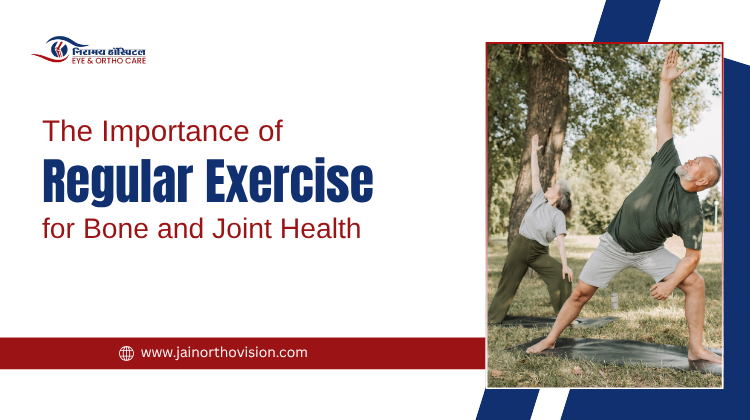
Exercise for bone and joint health is one of the most effective, low-cost ways to protect your body as you age, since bones and joints respond directly to the physical demands placed on them. Staying inactive causes bones to gradually weaken, while regular movement signals the body to keep building and maintaining strength where it is needed most.
At Niramaya Hospital, we regularly counsel patients, from young athletes to older adults managing early bone loss, on how the right kind of exercise protects both bones and joints for the long term. This guide explains the science behind that connection, which exercises help most, and how to build a routine safely.
Why Exercise Matters So Much for Bone Health
Bone is living tissue that constantly rebuilds itself, and this rebuilding process responds directly to mechanical stress. When you engage in activities that exert force on your bones, such as walking, running, or lifting weights, your bones respond by increasing their density and strength over time.
The opposite is also true, and inactivity causes measurable bone loss even in otherwise healthy people. This is precisely why doctors who provide Long Bone Fracture Treatment in Kota often see weaker, more fragile bone in patients who have gone through extended periods of inactivity, whether from illness, injury, or simply a sedentary lifestyle.
How Weight-Bearing Exercise Strengthens Bones
Weight-bearing exercise involves moving your body against gravity while staying upright, forcing bones to bear load directly. This mechanical stimulus signals bone-building cells to become more active, gradually increasing bone density in the areas under the most stress.
Research on resistance training has shown measurable results, with one study finding that six months of consistent resistance training improved bone mineral density in the lumbar spine by an average of nearly 2 percent, compared to little to no improvement in inactive individuals. This kind of evidence is exactly why experienced orthopedic doctors in Kota recommend weight-bearing activity as a foundational habit rather than an optional extra.
The Difference Between High-Impact and Low-Impact Exercise
Not all weight-bearing exercise applies the same level of stress to bones, and understanding this distinction helps you choose the right activities for your situation. High-impact activities, like jogging, jumping, or dancing, place greater force on bones and tend to build density more effectively.
Low-impact weight-bearing activities, such as walking or using an elliptical machine, still provide meaningful benefits and are a safer starting point for people who are new to exercise, recovering from injury, or already dealing with reduced bone density. Swimming and cycling, while excellent for cardiovascular fitness, do not provide the same weight-bearing load and should ideally be combined with other exercises rather than relied on alone for bone health. A trusted orthopedic hospital Kota patients turn to for rehabilitation guidance can help determine which impact level suits your current recovery stage.
Strength Training and Joint Health
Strength training, using free weights, resistance bands, or your own body weight, builds muscle that directly supports and stabilizes joints. Stronger muscles around a joint reduce the load placed on cartilage and ligaments during everyday movement, which can meaningfully lower the risk of joint injury over time.
This muscle-bone connection works both ways, since muscle contractions during resistance exercise apply strain directly to the bones they attach to, further promoting bone formation. Patients recovering from a joint injury or a fracture often begin a carefully guided strength program as part of returning to full function, sometimes as an extension of ongoing Low Back Pain Treatment in Kota or similar rehabilitation plans.
Best Exercises for Bone and Joint Health
A well-rounded routine for exercise for bone and joint health typically includes a mix of activity types rather than relying on a single approach. Consider incorporating:
- Walking or brisk walking: A low-impact, accessible weight-bearing activity suitable for nearly everyone
- Strength training: Using resistance bands, free weights, or bodyweight exercises like squats and lunges
- Stair climbing: A simple, effective weight-bearing activity that also builds leg strength
- Dancing or aerobic classes: Fun, higher-impact options that build bone density while improving coordination
- Tai chi or yoga: Excellent for balance and flexibility, though certain positions should be modified for those with reduced bone density
- Swimming or cycling: Valuable for joint-friendly cardiovascular fitness, best combined with weight-bearing activities
Choosing activities you genuinely enjoy significantly increases the likelihood you will stick with them consistently over time, which matters more for long-term bone and joint health than any single perfect workout. Experienced orthopedic doctors in Kota often recommend starting with two or three of these activities rather than attempting to add all of them at once.
Exercise Guidelines by Life Stage
The right approach to exercise for bone and joint health shifts somewhat depending on age and current bone health status. Younger adults benefit most from building peak bone mass through a mix of high-impact and strength-based activity.
Older adults, particularly those with reduced bone density, generally benefit from a combination of moderate strength training and low-impact weight-bearing exercise, with high-impact activities modified or avoided if there is significant fracture risk. Anyone recovering from a fracture or joint surgery should follow a structured, supervised return to activity, since resuming exercise too aggressively can complicate healing and, in some cases, require further Long Bone Fracture Treatment in Kota if reinjury occurs.
How to Start Exercising Safely
Starting a new exercise routine safely matters just as much as the exercises themselves, particularly for those with existing joint pain or reduced bone density. A few practical guidelines help minimize injury risk while still gaining meaningful benefits.
- Begin gradually and increase intensity over several weeks rather than starting at full effort
- Warm up properly before exercise and stretch gently afterward, once muscles are warmed
- Avoid movements that involve significant forward bending or twisting if you have reduced bone density
- Pay attention to pain signals, and stop or modify activity rather than pushing through discomfort
- Work with a physical therapist or trainer experienced in bone health if you have osteoporosis or a recent injury
Anyone recovering from orthopedic surgery in Kota should follow their surgeon’s specific rehabilitation timeline closely, since resuming full activity before tissue has properly healed can undo the benefits of an otherwise well-planned exercise routine.
When Exercise Alone Is Not Enough
While regular exercise significantly supports bone and joint health, it does not replace medical evaluation for existing conditions. Persistent joint pain, a diagnosed fracture, or significantly reduced bone density identified through a bone density scan all require professional guidance alongside any exercise program.
An experienced orthopedic surgeon in Kota can help determine which exercises are safe for your specific situation and which movements should be modified or avoided entirely based on your bone health and any existing joint conditions.
Why Choose Niramaya Hospital for Bone and Joint Health Guidance
Building an effective, safe approach to exercise for bone and joint health works best alongside professional guidance, particularly for anyone managing an existing condition or recovering from injury. As a trusted orthopedic hospital Kota residents rely on, Niramaya Hospital combines diagnostic evaluation with practical exercise guidance tailored to each patient’s bone health and activity level.
Our team helps patients build sustainable routines that genuinely protect long-term bone and joint health, rather than offering generic advice that does not account for their specific medical history.
Frequently Asked Questions About Exercise for Bone and Joint Health
1. What is the best type of exercise for bone health?
Weight-bearing exercises, particularly higher-impact activities like walking, jogging, or dancing, combined with strength training, are generally considered the most effective combination for building and maintaining bone density.
2. Can exercise reverse bone loss once it has already started?
Exercise can slow and, in some cases, partially improve bone density loss, particularly with consistent resistance training, though it works best as part of a broader treatment plan for significant bone loss rather than as a standalone solution.
3. Is swimming good for bone health?
Swimming offers excellent cardiovascular and joint-friendly benefits, but since it does not provide weight-bearing load, it should ideally be combined with weight-bearing activities like walking or strength training for bone health specifically.
4. How often should I exercise for bone and joint health?
Most guidelines recommend at least 150 minutes of moderate intensity exercise per week, combined with strength training on two or more days, though individual recommendations vary based on age and existing conditions.
5. Is it safe to exercise if I already have joint pain or osteoporosis?
Yes, in most cases, though the specific exercises should be tailored to your condition. Low-impact activities and guided strength training are often appropriate, while certain high-impact or bending movements may need to be modified or avoided.
Conclusion
Regular exercise for bone and joint health remains one of the most effective, accessible tools for protecting your body as you age, supported by consistent scientific evidence on how mechanical loading strengthens bone and how muscle strength protects joints. Building a routine that combines weight-bearing activity, strength training, and flexibility work offers meaningful, lasting benefits.
If you are unsure which exercises are right for your bone and joint health, do not guess based on generic advice alone. Book a consultation with Niramaya Hospital and let our experienced team assess your bone and joint health and recommend a safe, effective exercise plan tailored to you. Call us today or visit our clinic to schedule an appointment.