
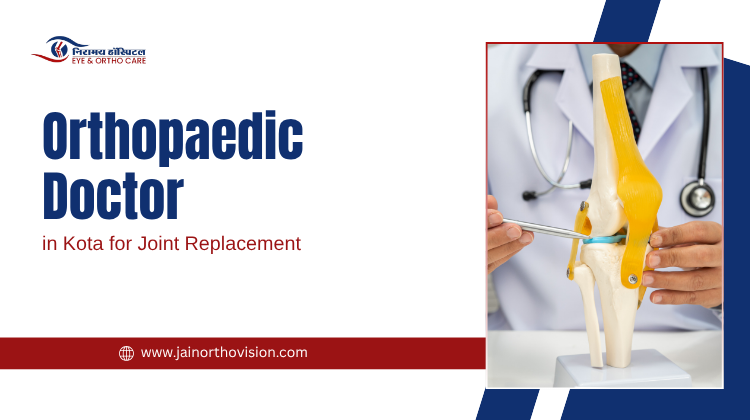
Finding the right doctor in Kota for joint replacement matters just as much as deciding to have the surgery itself, since outcomes depend heavily on surgical skill, implant choice, and post-operative care. Joint replacement, also called arthroplasty, has become one of the most reliable ways to restore mobility and relieve pain once arthritis or joint damage stops responding to conservative treatment.
At Niramaya Hospital, our joint replacement team walks every patient through their specific options, from implant type to expected recovery, before recommending a surgical path. This guide explains what joint replacement involves, who qualifies, and what to look for in a doctor in Kota for joint replacement.
What Is Joint Replacement Surgery?
Joint replacement surgery removes the damaged or worn surfaces of a joint and replaces them with an artificial implant made of metal, plastic, or ceramic components. The goal is not to create a brand new joint, but to relieve pain, restore alignment, and help patients move comfortably through daily life again.
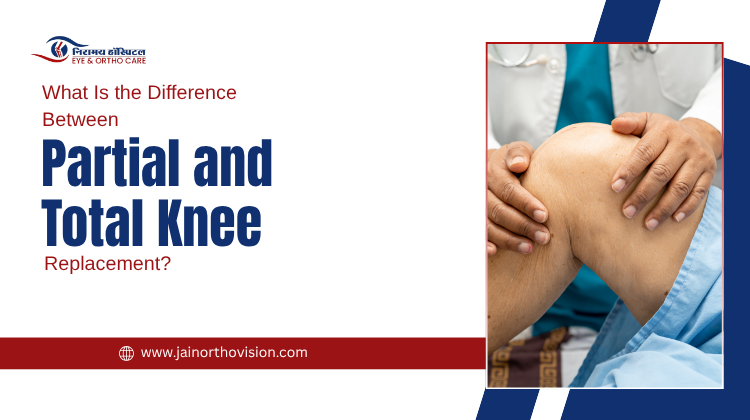
Any major joint can potentially be replaced, though hips and knees are by far the most commonly treated. The procedure can be total, replacing the entire joint surface, or partial, addressing only the damaged portion while preserving healthy surrounding tissue.
Common Types of Joint Replacement Surgery
Joint replacement is not a single, uniform procedure. The right approach depends on which joint is affected and how extensive the damage has become.
- Total knee replacement (knee arthroplasty): Resurfaces all compartments of the knee joint, typically recommended when arthritis has spread widely
- Partial knee replacement: Replaces only the damaged compartment, suited to more localized arthritis
- Total hip replacement (hip arthroplasty): Replaces both the ball and socket portions of the hip joint
- Shoulder replacement: Less common, but effective for severe shoulder arthritis or complex fractures
- Revision joint replacement: Removes and replaces a worn or failed implant from a previous surgery
Understanding which category applies to your situation helps frame the conversation with your surgeon before treatment begins.
Who Needs Joint Replacement Surgery?
Joint replacement is generally recommended once non-surgical treatments no longer provide meaningful relief. It is not a decision based on age alone, but on how much the joint damage affects daily function and quality of life.
Common indications include:
- Persistent joint pain that limits walking, climbing stairs, or daily activities
- Joint pain and stiffness that continue despite medication, physical therapy, or injections
- Visible joint deformity or significant loss of alignment
- X-ray evidence of severe cartilage loss or bone-on-bone contact
- Reduced quality of life due to chronic joint pain affecting sleep or mobility
A thorough evaluation involving imaging and a physical exam helps determine whether surgery is genuinely the right next step, rather than jumping to that conclusion too quickly. This is exactly the kind of careful assessment a Kota best orthopedic doctor should provide before recommending any surgical path.
What to Expect During Joint Replacement Surgery
Understanding the surgical process helps ease anxiety for patients preparing for their procedure. While specifics vary by joint, most joint replacements follow a similar overall structure.
Surgery is typically performed under general or regional anesthesia, meaning patients do not feel pain during the procedure. The surgeon makes an incision to access the joint, removes the damaged surfaces, and carefully fits the prosthetic components to match the patient’s anatomy and bone quality.
Most joint replacement procedures take one to two hours to complete, depending on the joint involved and whether it is a partial or total replacement. Many patients begin standing or taking a few steps with support within a day of surgery, under the guidance of a physical therapist.
How to Choose the Right Doctor in Kota for Joint Replacement
Selecting the right doctor in Kota for joint replacement significantly influences both the surgical outcome and how smoothly recovery goes afterward. A few factors are worth prioritizing during your search.
- Surgical volume: Surgeons who perform a high number of joint replacements each year tend to have more refined technique and better outcomes
- Clear communication: A good surgeon explains your specific damage pattern, implant options, and realistic expectations in plain language
- Comprehensive facility support: Access to physical therapy, imaging, and post-operative care under one roof simplifies recovery considerably
- Honest candidacy assessment: A trustworthy surgeon recommends surgery only when it is genuinely likely to improve your quality of life
- Transparent discussion of risks: Every surgery carries some risk, and a good doctor discusses these openly rather than glossing over them
An experienced orthopedic surgeon in Kota should be able to answer detailed questions about implant type, expected longevity, and recovery timeline specific to your case.
Joint Replacement Recovery: What to Expect
Recovery timelines vary depending on which joint was replaced and whether the procedure was partial or total. Most patients begin physical therapy within a day or two of surgery to restore strength and range of motion.
Hip replacement recovery is often somewhat faster than knee replacement, with many patients returning to most daily activities within four to six weeks. Knee replacement recovery tends to take slightly longer, often extending to three months or more before patients feel fully comfortable with the new joint.
Consistent physical therapy participation is one of the strongest predictors of a good outcome, regardless of which joint was treated. Skipping or rushing through rehabilitation significantly raises the risk of stiffness or reduced function later on.
How Long Do Joint Replacements Last?
Modern joint implants are built to last, with most hip and knee replacements functioning well for fifteen to twenty years or longer. Advances in implant materials and surgical technique have steadily improved this durability over recent decades.
That said, implants are not indestructible, and younger, more active patients may eventually need a revision surgery as they outlive the original implant’s lifespan. This is one reason age and activity level factor into candidacy discussions, alongside the severity of joint damage itself.
Patient Satisfaction and Realistic Expectations
Most patients report significant pain relief and improved mobility after joint replacement, though satisfaction rates and expectations differ somewhat between joints. Hip replacement tends to have particularly high patient satisfaction, while knee replacement, though still highly successful, leaves a smaller percentage of patients feeling the joint never quite feels completely natural.
Setting realistic expectations before surgery, rather than expecting a completely new joint experience, helps patients feel more satisfied with their outcome afterward. A good surgeon discusses this honestly during the pre-surgical consultation rather than overpromising results.
Why Choose Niramaya Hospital for Joint Replacement in Kota
Successful Joint Replacement in Kota depends on accurate diagnosis, careful implant selection, and a rehabilitation plan tailored to the individual patient. Niramaya Hospital brings together detailed pre-surgical imaging, experienced surgical technique, and structured physiotherapy support under one roof.
As a trusted Joint Replacement Surgeon in Kota practice, our team walks every patient through candidacy, implant options, and expected recovery honestly, so the decision to proceed with surgery is always an informed one.
Among orthopedic doctors in Kota, our approach stands out for treating rehabilitation as equally important as the surgery itself, since long-term success depends on both working together seamlessly.
Frequently Asked Questions About Joint Replacement in Kota
1. At what age is joint replacement surgery recommended?
Age alone is not the deciding factor. Surgeons consider functional limitation, pain severity, and overall medical fitness, meaning both younger and older patients can be good candidates depending on their specific situation.
2. How long does recovery take after joint replacement surgery?
Hip replacement recovery often takes four to six weeks for most daily activities, while knee replacement recovery can take up to three months or longer for full comfort and strength to return.
3. Is partial joint replacement better than total joint replacement?
Neither option is universally better. Partial replacement suits patients with damage confined to one area of the joint, while total replacement addresses more widespread damage, and the right choice depends on your specific pattern of joint wear.
4. How long do artificial joints typically last?
Most modern joint implants last fifteen to twenty years or longer, though younger, more active patients may eventually need a revision surgery as the implant reaches the end of its lifespan.
5. What should I ask a doctor in Kota for joint replacement before surgery?
Ask about their surgical volume for your specific joint, the implant options available, expected recovery timeline, and what results are realistic for your particular case and activity level.
Conclusion
Choosing the right doctor in Kota for joint replacement means looking beyond surgical skill alone to consider communication, facility support, and a realistic, honest approach to candidacy and expectations. With the right surgical team and consistent rehabilitation, most patients experience significant pain relief and a meaningful return to daily activities.
If joint pain is limiting your daily life and conservative treatments are no longer helping, do not wait to explore your options. Book a consultation with Niramaya Hospital and let our experienced team assess your joint and discuss whether replacement surgery is the right path forward for you. Call us today or visit our clinic to schedule an appointment.