
Finding the right doctor for hip pain treatment is the first step toward understanding whether your discomfort comes from arthritis, an injury, or a less obvious cause like reduced blood supply to the bone. Hip pain rarely resolves on its own once it becomes persistent, and an accurate diagnosis makes all the difference in choosing the right treatment path.
At Niramaya Hospital, we see patients with hip pain ranging from mild stiffness after exercise to severe pain that limits walking and sleep..
Common Causes of Hip Pain
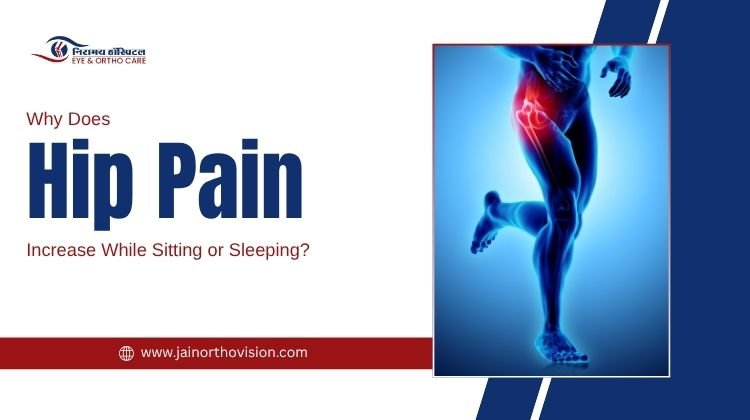
Hip pain can originate from several different structures in and around the joint, which is why a proper evaluation matters before starting treatment. The most frequent causes include:
- Osteoarthritis: Gradual wear and tear of the cartilage cushioning the hip joint
- Avascular necrosis (AVN): Bone tissue death caused by a loss of blood supply to the femoral head
- Bursitis: Inflammation of the fluid-filled sacs that cushion the hip joint
- Tendinitis: Overuse-related inflammation of the tendons surrounding the hip
- Labral tears: Damage to the cartilage ring that stabilizes the hip socket
- Fractures: Often from falls, especially in older adults with weaker bones
- Referred pain: Pain originating in the lower back or groin that is felt in the hip
Since these conditions can produce overlapping symptoms, self-diagnosis is unreliable, and consulting a doctor for hip pain treatment early leads to faster, more accurate answers.
Understanding Avascular Necrosis as a Hidden Cause of Hip Pain
Not all hip pain comes from arthritis, and avascular necrosis is a condition that often gets overlooked in its early stages. It develops when the femoral head, the ball at the top of the thigh bone, loses its blood supply and the bone tissue begins to die.
In its earliest stages, avascular necrosis may cause little to no pain, which allows it to progress quietly. As the condition advances, patients typically feel a deep, aching pain in the groin, hip, or thigh that worsens with walking or standing.
Left untreated, the affected bone can eventually collapse, leading to severe joint damage and arthritis. This is why prompt evaluation at a dedicated AVN Hip Treatment Clinic in Kota matters significantly, since catching the condition in its earlier stages offers far more treatment options than waiting until collapse occurs.
How Hip Pain Is Diagnosed
An accurate diagnosis begins with a physical examination, where your doctor assesses range of motion, tenderness, and how specific movements affect your pain. This initial evaluation often narrows down the likely cause considerably.
Imaging tests then confirm the diagnosis and guide treatment decisions:
- X-rays reveal joint space narrowing, bone spurs, or fractures
- MRI scans detect avascular necrosis in its earliest stages, often before changes appear on an X-ray
- CT scans provide detailed images for complex fractures or joint abnormalities
- Blood tests help rule out inflammatory or autoimmune causes of hip pain
MRI is particularly valuable for catching avascular necrosis early, since this condition may not show up on X-rays until significant bone damage has already occurred.
Non-Surgical Treatment Options for Hip Pain
Many cases of hip pain, particularly in earlier stages, respond well to conservative treatment before surgery is ever considered. Common non-surgical approaches include:
- Rest and activity modification to reduce stress on the joint
- Physical therapy to strengthen surrounding muscles and improve joint mechanics
- Anti-inflammatory medications to reduce pain and swelling
- Corticosteroid injections for targeted, temporary relief of inflammation
- Weight management to reduce the load placed on the hip joint
- Walking aids to reduce pain during daily activities while healing progresses
For patients with early-stage avascular necrosis, additional options like core decompression surgery can relieve pressure inside the bone and encourage new blood vessel growth, often postponing or avoiding the need for joint replacement altogether.
Treating Hip Pain Caused by Arthritis
Osteoarthritis is one of the most common reasons people seek a doctor for hip pain treatment, and its management typically follows a staged approach based on severity. Early-stage arthritis often responds well to physical therapy, weight management, and anti-inflammatory treatment.
As arthritis progresses and conservative measures provide less relief, more targeted care becomes necessary. A dedicated Arthritis Treatment Clinic in Kota can offer advanced options, including viscosupplementation injections or, in more severe cases, surgical intervention when joint damage significantly limits daily function.
When Is Hip Replacement Surgery Necessary?
Hip replacement becomes the recommended option when conservative treatment no longer provides meaningful relief, or when imaging shows significant joint damage or bone collapse. This applies to both advanced arthritis and later-stage avascular necrosis.
During the procedure, damaged bone and cartilage are removed and replaced with artificial components designed to recreate smooth, pain-free joint movement. Modern hip replacement surgery has excellent long-term outcomes, with success rates remaining high even ten to twenty years after the procedure.
A skilled Hip Replacement Surgeon in Kota will evaluate your specific joint damage, bone quality, and activity level before recommending this option, since surgery is generally reserved for cases where it will meaningfully improve quality of life.
Recovery After Hip Pain Treatment
Recovery timelines vary significantly depending on whether treatment was surgical or non-surgical, and depending on the underlying cause of the hip pain. Non-surgical treatments often show improvement within a few weeks of consistent physical therapy and activity modification.
Hip replacement recovery typically follows a more structured path. Most patients begin walking with support within a day of surgery, transition off walking aids within several weeks, and return to most normal daily activities within three to six months.
Following your doctor’s rehabilitation plan closely, including physical therapy exercises and activity restrictions, plays a significant role in achieving the best possible long-term outcome regardless of which treatment path you follow.
When to See a Doctor for Hip Pain
Not all hip discomfort requires an immediate medical visit, but certain signs indicate it is time to schedule an evaluation rather than wait it out.
- Pain that persists for more than a few weeks despite rest
- Difficulty walking, standing, or bearing weight on the affected side
- Hip pain following a fall or injury
- Pain that disrupts sleep or daily activities
- Stiffness that noticeably limits your range of motion
Persistent or worsening hip pain deserves prompt evaluation by an experienced orthopaedic doctor in Kota, since early diagnosis generally leads to more treatment options and better long-term outcomes.
Why Choose Niramaya Hospital for Hip Pain Treatment in Kota
Effective Hip Pain Treatment in Kota depends on identifying the exact cause of your discomfort, since arthritis, avascular necrosis, and soft tissue injuries all require very different treatment approaches. Niramaya Hospital combines detailed diagnostic imaging with individualized treatment planning for every patient we see.
As a trusted orthopedic hospital Kota residents rely on for joint care, we walk patients through every option honestly, from conservative care through surgical solutions, so you always understand the reasoning behind your treatment plan.
Our reputation as a respected Kota orthopedic doctor practice for hip conditions comes from this consistency, treating every patient’s pain as a puzzle worth solving properly rather than rushing toward a generic treatment plan.
Frequently Asked Questions About Hip Pain Treatment
1. What is the most common cause of hip pain in adults?
Osteoarthritis is the most common cause of chronic hip pain, particularly in adults over 50, though avascular necrosis and bursitis are also frequent causes worth ruling out.
2. Can hip pain from avascular necrosis be treated without surgery?
Yes, in early stages. Rest, medication, and procedures like core decompression can slow progression, though advanced cases with bone collapse typically require hip replacement surgery.
3. How long does it take to recover from hip replacement surgery?
Most patients walk with support within a day of surgery and return to most normal activities within three to six months, depending on overall health and adherence to physical therapy.
4. Is hip pain always related to the hip joint itself?
Not always. Hip pain can sometimes be referred pain originating from the lower back or groin, which is why a thorough physical examination is important before starting treatment.
5. When should I stop trying home remedies and see a doctor for hip pain?
If pain persists beyond two to three weeks, worsens with activity, follows an injury, or affects your ability to walk or sleep, it is time to schedule a professional evaluation.
Conclusion
Finding the right doctor for hip pain treatment starts with an accurate diagnosis, since arthritis, avascular necrosis, and soft tissue injuries all require distinct treatment approaches for the best outcome. With early evaluation and the right combination of conservative care or surgery, most patients achieve significant, lasting relief from hip pain.
If hip pain is affecting your daily life, do not wait for it to worsen before seeking help. Book a consultation with Niramaya Hospital and let our experienced team diagnose the cause of your hip pain and build a personalized treatment plan. Call us today or visit our clinic to schedule an appointment.