
Diabetes eyes is a term used to describe the range of vision problems that develop when high blood sugar damages the delicate blood vessels inside the eye. Left unmanaged, diabetes is one of the leading causes of preventable vision loss in adults today.
At Niramaya Hospital, one of the best eye hospital in Kota for diabetic eye screening, we see many patients who had no vision symptoms at all before a routine exam caught early damage.
How Does Diabetes Affect Your Eyes?
High blood sugar levels gradually damage the tiny blood vessels inside the retina, the light-sensitive layer at the back of the eye. Over time, diabetes eyes develop leaking, swelling, or blocked blood vessels that interfere with clear vision.
In more advanced stages, the eye tries to compensate by growing new, fragile blood vessels. These new vessels are weak and prone to bleeding, which can cause sudden and serious vision loss if untreated.
The longer someone has diabetes and the less controlled their blood sugar is, the higher their risk of developing serious diabetes eyes complications. This applies to type 1, type 2, and gestational diabetes alike.
Common Eye Problems Linked to Diabetes
Diabetes does not just affect the retina. It raises the risk of several distinct eye conditions, and understanding each one helps patients know what to watch for.
| Eye Condition | What It Is | Risk Increase with Diabetes |
| Diabetic retinopathy | Damage to retinal blood vessels from high blood sugar | Most common diabetes-related eye disease |
| Diabetic macular edema | Swelling in the macula, the central part of the retina | Leading cause of central vision loss in diabetics |
| Cataracts | Clouding of the eye’s natural lens | 2 to 5 times more likely, often at a younger age |
| Glaucoma | Optic nerve damage from high eye pressure | Nearly double the risk of open-angle glaucoma |
Because diabetes eyes conditions often overlap, a single comprehensive eye exam can screen for all of them at once.
Warning Signs of Diabetic Eye Disease
One of the most dangerous aspects of diabetes eyes complications is that early stages often cause no noticeable symptoms at all. Damage can be progressing quietly while vision still feels normal.
Symptoms that may appear as the condition advances include:
- Blurred or fluctuating vision
- Floaters, or dark spots and strings drifting across your sight
- Dark or empty areas in your field of vision
- Difficulty seeing at night
- Colors appearing faded or washed out
- Sudden vision loss in one eye, which requires immediate medical attention
Because symptoms often appear late, regular screening matters more than waiting for warning signs with diabetes eyes.
Who Is Most at Risk for Diabetes-Related Eye Problems?
Anyone with diabetes can develop diabetes eyes complications, but certain factors increase the risk significantly.
- Having diabetes for many years without regular eye checkups
- Poorly controlled blood sugar levels over time
- High blood pressure alongside diabetes
- High cholesterol
- Pregnancy, which can temporarily worsen diabetic eye changes
- Smoking, which accelerates blood vessel damage
- A family history of diabetic eye disease
Nearly all patients with type 1 diabetes and more than 60 percent of those with type 2 diabetes develop some degree of diabetic eye disease over their lifetime, which makes prevention and monitoring essential.
How to Prevent Diabetes-Related Eye Problems
Preventing serious diabetes eyes complications comes down to consistent, everyday habits rather than a single fix.
- Control blood sugar levels: Keeping HbA1c within your target range is the single most effective way to protect your eyes.
- Manage blood pressure and cholesterol: Both directly affect the health of retinal blood vessels.
- Schedule annual dilated eye exams: These allow your doctor to spot changes long before symptoms appear.
- Stay physically active: Regular exercise supports better blood sugar control.
- Eat a balanced, low-sugar diet: Nutrition plays a direct role in slowing disease progression.
- Avoid smoking: Smoking significantly increases the risk and speed of diabetic eye damage.
- Take medications exactly as prescribed: Skipping doses can cause blood sugar spikes that accelerate eye damage.
How Are Diabetes-Related Eye Problems Diagnosed?
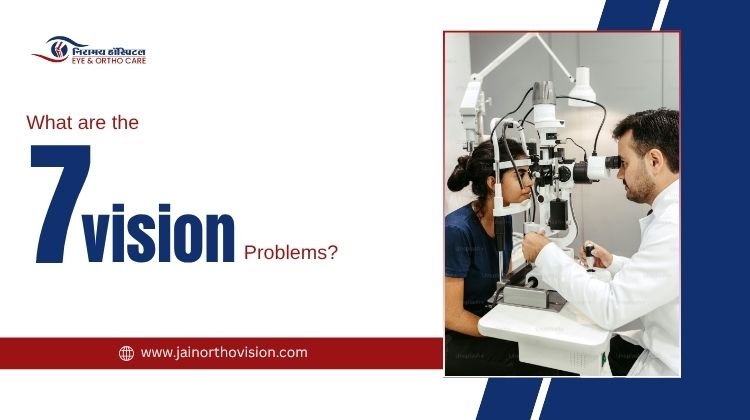
Diagnosing diabetes eyes conditions typically involves a dilated eye exam, where an ophthalmologist in Kota examines the retina closely for early signs of damage. This simple, painless exam is the most reliable way to catch problems before vision is affected.
In more advanced or unclear cases, additional imaging tests may be used, including optical coherence tomography to measure retinal swelling or fluorescein angiography to map blood vessel leakage. These tests give your best eye specialist in Kota a clear picture of how far the condition has progressed.
Treatment Options for Diabetic Eye Disease
Treatment for diabetes eyes conditions depends on the stage and severity of damage, and options have improved significantly in recent years.
- Blood sugar management: Often the first and most important step for early-stage disease
- Anti-VEGF injections: Medications that reduce abnormal blood vessel growth and swelling
- Laser treatment (photocoagulation): Seals leaking blood vessels and slows abnormal vessel growth
- Vitrectomy: A surgical procedure used for advanced cases involving bleeding or retinal detachment
- Corticosteroid treatment: Used in select cases to reduce inflammation and swelling
Most patients need more than one treatment approach, combined with strict blood sugar control, for the best long-term outcome.
Why Choose Niramaya Hospital for Diabetic Eye Care in Kota
Managing diabetes eyes complications requires more than an occasional checkup. It requires a consistent monitoring plan tailored to how long you have had diabetes and how well it is controlled.
Niramaya Hospital is recognized as the best eye hospital in Kota for diabetic eye screening because our team combines detailed retinal examinations with practical guidance patients can actually follow. Our eye doctor in Kota specialists coordinate closely with physicians managing your diabetes, so your eye care and overall health plan work together rather than in isolation.
Frequently Asked Questions About Diabetes and Eye Health
1. How often should a diabetic get an eye exam?
Most people with diabetes should have a dilated eye exam at least once a year, even without noticeable vision problems, since early damage is often symptom free.
2. Can diabetic eye damage be reversed?
Early-stage damage can often be stabilized or slowed significantly with better blood sugar control. Advanced damage, however, is usually managed rather than fully reversed, which is why early detection matters.
3. Does type 2 diabetes affect the eyes as much as type 1?
Yes. Both type 1 and type 2 diabetes can cause serious diabetes eyes complications, and the risk increases the longer a person has lived with either type.
4. Can diabetic eye disease cause total blindness?
Yes, if left untreated. Diabetic retinopathy is a leading cause of blindness in working-age adults, but with regular screening and timely treatment, severe vision loss is largely preventable.
5. Is blurry vision always a sign of diabetic eye disease?
Not always. Blurry vision can also result from fluctuating blood sugar levels affecting the eye’s lens temporarily. Still, any new or persistent blurry vision in a diabetic patient should be evaluated promptly.
Conclusion
Diabetes eyes complications develop silently, which is exactly why regular screening matters more than waiting for symptoms to appear. With consistent blood sugar control, healthy lifestyle habits, and annual eye exams, most serious vision loss from diabetes is preventable.
If you have diabetes and have not had a dilated eye exam this year, do not wait for symptoms to act. Book a screening with Niramaya Hospital, the best eye hospital in Kota, and let our experienced ophthalmologist in Kota team help protect your vision for years to come. Call us today or visit our clinic in Kota to schedule your diabetic eye examination.