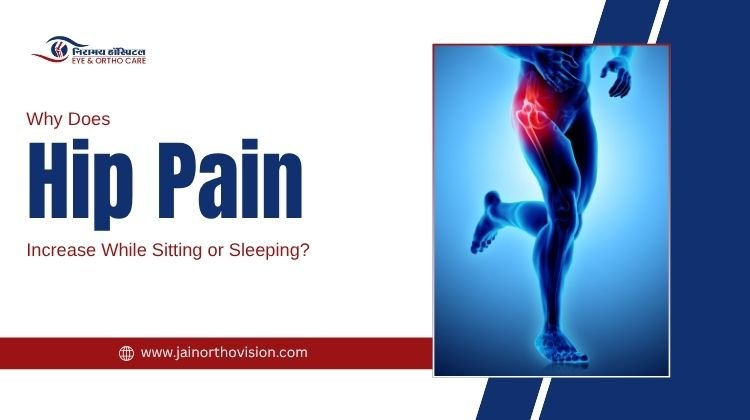

Early stage hip AVN (avascular necrosis) happens when the blood supply to the top of the thigh bone is reduced, and the bone starts to weaken. Caught early, the joint surface is still intact, and a range of non-surgical measures can ease pain and may help protect the hip for as long as possible.
At Niramaya Hospital, we meet many patients whose early stage hip AVN was missed for months because the first symptoms looked like a simple groin strain. This guide explains the warning signs, the non-surgical options available, and the honest limits of treatment without an operation.
What Is Early Stage Hip AVN?
The ball of the hip joint, called the femoral head, depends on a steady blood supply to stay healthy. In AVN, that supply is interrupted, and parts of the bone slowly lose strength.
In the early stage, the bone has weakened, but the round shape of the joint is still maintained. This is the window where doctors have the most options, which is why an experienced orthopedic doctor in kota will often recommend an MRI as soon as AVN is suspected.
Why Early Detection Matters
AVN is a progressive condition. Without treatment, the weakened bone can collapse, and the smooth joint surface then wears down into painful arthritis.
Once collapse happens, the options narrow. Early assessment and prompt Hip Pain Treatment in Kota give you the best chance of slowing that process and staying active for longer.
Early Symptoms of Hip AVN
Early AVN often causes few symptoms, and some people feel nothing at all at first. When symptoms do appear, they tend to build slowly.
- Deep pain in the groin, sometimes spreading to the thigh or buttock
- Pain that worsens when you walk, climb stairs, or stand for long periods
- Discomfort at night or while resting
- Stiffness or a reduced ability to rotate the hip
- A mild limp that comes and goes
Because these signs overlap with muscle strain and other hip conditions, a doctor for orthopedic in Kota should examine any groin pain that lasts more than a few weeks.
Causes and Risk Factors of Hip AVN
AVN can follow an injury, but many cases develop without any obvious trauma. Knowing the cause matters, because removing it is part of treatment.
- Long-term or high-dose steroid use: One of the most common triggers
- Heavy alcohol intake: Over many years
- Hip injury: Fractures or dislocations that damage blood vessels
- Smoking: Which narrows small blood vessels
- Medical conditions: Such as sickle cell disease, lupus, and certain clotting disorders
- Previous radiation or chemotherapy
An Arthritis Treatment Clinic in Kota can review your medicines and health history to identify the trigger and reduce the risk of further damage.
How Early Stage Hip AVN Is Diagnosed
Diagnosis begins with a detailed history and a hip examination, checking pain, movement, and walking pattern. X-rays may look normal in the earliest stage, so they do not rule AVN out.
An MRI scan is the most reliable test, because it can show changes in the bone before the shape of the joint is affected. An orthopedic surgeon in Kota will use the scan to judge the size and position of the damaged area, which strongly influences the treatment plan.
Can Early Stage Hip AVN Be Treated Without Surgery?

Yes, non-surgical care is a real option in the early stage, especially for small areas of damage. However, it is important to be honest about what it can and cannot do.
Non-surgical measures can relieve pain, protect the hip, and slow progression in some people. They cannot guarantee that the bone will heal, and larger areas of damage often continue to progress. A focused AVN Hip Treatment in Kota plan therefore combines treatment with regular scans to check that the hip is holding up.
Protected Weight Bearing and Activity Changes
Reducing the load on the weakened bone is a cornerstone of early care. Doctors may advise using crutches or a walking stick to take pressure off the hip for a period of time.
- Avoid running, jumping, and heavy lifting
- Limit long periods of standing and walking
- Use a stick in the opposite hand to the painful hip
- Choose low-impact activities such as swimming or cycling
Personalised Hip Pain Treatment in Kota includes clear guidance on how much weight to put through the leg, since too little activity weakens muscles while too much can hasten collapse.
Medications and Pain Management
Medicines help control pain and inflammation, which keeps you moving comfortably through rehabilitation. Pain relievers and anti-inflammatory tablets are commonly used for short periods.
Some doctors may also consider bone-strengthening medicines in selected cases, although research on their benefit in AVN is mixed. Your orthopedic doctor in kota will explain whether such treatment suits your situation, rather than recommending it routinely.
Physiotherapy and Exercise for the Hip
Physiotherapy keeps the hip flexible and the surrounding muscles strong, which reduces stress on the joint. Exercises are chosen carefully, so they do not overload the weakened bone.
- Gentle range-of-motion movements to prevent stiffness
- Strengthening for the glutes, thighs, and core
- Water-based exercise, which supports body weight
- Balance and walking training to protect the hip
A doctor for orthopedic in Kota works alongside your physiotherapist to adjust the programme as your symptoms and scans change.
Newer Options: Shockwave and Biologic Therapy
Some centres offer extracorporeal shockwave therapy, which uses sound waves to stimulate healing in the damaged bone. Early research is encouraging, but the evidence is still developing, and results vary from person to person.
Other approaches, such as injections of the patient’s own cells, are also being studied. A responsible Arthritis Treatment Clinic in Kota will explain clearly which options are proven, which are experimental, and what you can reasonably expect.
Lifestyle Changes That Support Bone Health
Removing the cause and supporting your bones gives non-surgical care its best chance. Small, steady changes add up over months.
- Stop smoking completely
- Cut back or stop alcohol
- Never stop or change steroid medicines without medical advice
- Eat a balanced diet with enough calcium and vitamin D
- Maintain a healthy body weight to lighten the load on the hip
An orthopedic surgeon in Kota can coordinate with your other doctors if a medicine or health condition is contributing to the problem.
When Surgery Becomes Necessary
Non-surgical care does not work for everyone. If pain keeps increasing, or scans show the bone starting to collapse, an operation may be needed to protect the joint.
Options range from joint-preserving procedures in the early stage to a full replacement once the joint is badly damaged. A skilled Hip Replacement Surgeon in Kota will explain which option fits your age, activity level, and scan findings, and will not recommend surgery until it is genuinely needed.
When to See a Doctor About Hip Pain
Do not wait for hip pain to become severe before seeking advice. Early assessment is the single most useful step in AVN.
- Groin or hip pain lasting more than two to three weeks
- Pain that is worse at night or while resting
- A new limp or difficulty putting weight on the leg
- Hip pain if you take long-term steroids or drink heavily
- Hip pain after an injury or in someone with sickle cell disease or lupus
Prompt AVN Hip Treatment in Kota gives you the widest range of choices and the best chance of keeping your own joint.
Why Choose Niramaya Hospital for Early Stage Hip AVN
Managing early stage hip AVN well depends on early scanning, an honest explanation of your options, and regular follow-up. Niramaya Hospital offers a detailed assessment and a clear plan, so you always know where your hip stands.
As a trusted orthopedic doctor in kota practice, we start with non-surgical measures where they are appropriate and monitor closely.
If surgery eventually becomes necessary, our Hip Replacement Surgeon in Kota team will guide you through each option, the recovery, and what to expect afterward.
Frequently Asked Questions About Early Stage Hip AVN
1. Can early stage hip AVN heal without surgery?
Small areas of damage sometimes stabilise with protected weight bearing, medicines, and lifestyle changes. However, many cases still progress, so regular scans are important to track the hip.
2. How long can I delay surgery if I have early AVN?
There is no fixed time, because it depends on the size of the damaged area and its position. Some people stay comfortable for years, while others progress within months, which is why follow-up scans matter.
3. Is walking bad for early stage hip AVN?
Gentle walking is usually allowed, but long walks, running, and heavy lifting can increase stress on the weakened bone. Your doctor may advise a walking stick or crutches for a period.
4. What is the main cause of hip AVN?
Long-term steroid use and heavy alcohol intake are the most common causes. Hip injuries, smoking, and conditions such as sickle cell disease also raise the risk.
5. Which scan detects early stage hip AVN?
An MRI is the most reliable test. It can show changes in the bone before they appear on an X-ray.
Conclusion
Early stage hip AVN is a serious condition, but it is also the stage where you have the most choices. Protected weight bearing, physiotherapy, medicines, and lifestyle changes can ease pain and may slow progression, although regular scans are essential because some hips still worsen.
If you have groin or hip pain that will not settle, do not wait for it to get worse. Book a consultation with Niramaya Hospital and let our experienced team assess your hip and plan the right treatment for you. Call us today or visit our clinic to schedule an appointment.