
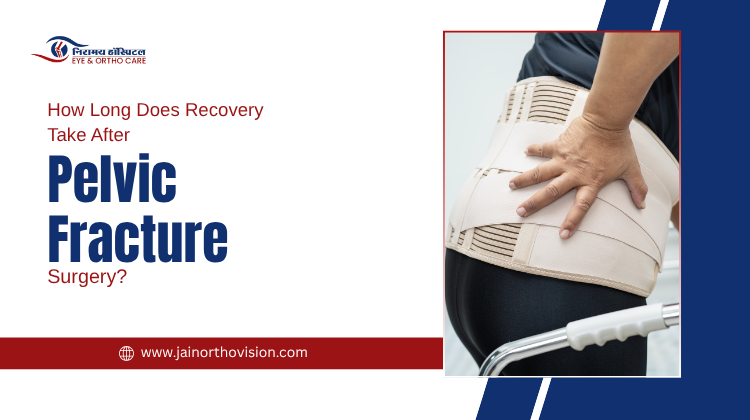
Recovery after pelvic fracture surgery typically takes four to six months for most patients, though full return to normal activity can take up to nine months in some cases. The exact timeline depends on the severity of the fracture, the patient’s age, and how closely rehabilitation instructions are followed.
What Is Pelvic Fracture Surgery and When Is It Needed?
The pelvis is a ring of bones that supports the spine and connects to both legs. A fracture here usually results from a serious fall, road accident, or sports injury. Pelvic fracture surgery becomes necessary when the fracture is unstable, displaced, or affects the hip joint’s alignment.
During the procedure, an orthopedic surgeon repositions the broken bones and holds them in place using plates, screws, or rods. This technique, known as open reduction and internal fixation (ORIF), gives the bone the stability it needs to heal correctly.
Pelvic Fracture Surgery Recovery Timeline: Week by Week
Recovery after pelvic fracture surgery happens in clear stages. Knowing what to expect at each point helps patients and families plan ahead and stay motivated during rehabilitation.
| Recovery Stage | Typical Timeframe | What Happens |
| Hospital stay | 3 to 10 days | Pain management, wound care, early mobility with support |
| Crutches or walker | 6 to 12 weeks | Limited or no weight bearing on the affected side |
| Bone healing (union) | 8 to 12 weeks | X-rays confirm the fracture is stabilizing |
| Physiotherapy phase | 3 to 6 months | Strength, balance, and gait training begin |
| Return to normal activity | 4 to 9 months | Walking without aids, resuming daily tasks and light work |
| Full strength and confidence | Up to 12 months | Especially relevant for elderly patients or complex fractures |
These timeframes are general guidelines. Your orthopedic surgeon in Kota will adjust your plan based on your specific fracture pattern and overall health.
Factors That Affect How Long Recovery Takes
Not every patient heals at the same pace after pelvic fracture surgery. Several factors influence how quickly someone returns to normal life.
- Severity and type of fracture: Simple fractures heal faster than complex, multi-fragment breaks.
- Age: Older adults often need nine to twelve months for full recovery due to slower bone healing.
- Bone health: Conditions like osteoporosis can slow the healing process.
- Other injuries: Pelvic fractures often occur alongside other injuries from high-impact accidents, which can extend recovery.
- Commitment to physiotherapy: Patients who follow their rehabilitation plan consistently tend to recover faster and more fully.
- Smoking and diabetes: Both are known to slow bone healing and increase complication risk.
What Happens During Each Phase of Recovery
Early recovery (weeks 1 to 6): The focus is on pain control, wound healing, and gradually sitting up and moving with support. Blood thinners are often prescribed for two to six weeks to prevent clots from prolonged bed rest.
Mid recovery (weeks 6 to 12): Weight bearing is slowly introduced under medical guidance. Physiotherapy begins with gentle range of motion exercises for the hips and legs.
Late recovery (3 to 9 months): Strength training, balance exercises, and gait correction take priority. Most patients transition off crutches during this stage and resume light daily activities.
Common Risks and Complications During Recovery
While pelvic fracture surgery has a strong success rate, recovery is not always free of setbacks. Being aware of possible complications helps patients seek timely care.
- Blood clots (deep vein thrombosis) from limited mobility
- Infection at the surgical site
- Nerve irritation or numbness near the fracture area
- Delayed bone healing, particularly in smokers or patients with diabetes
- Stiffness in the hip joint if physiotherapy is delayed
Most of these risks can be managed effectively when caught early, which is why regular follow-up visits with your orthopedic in Kota are an essential part of recovery.
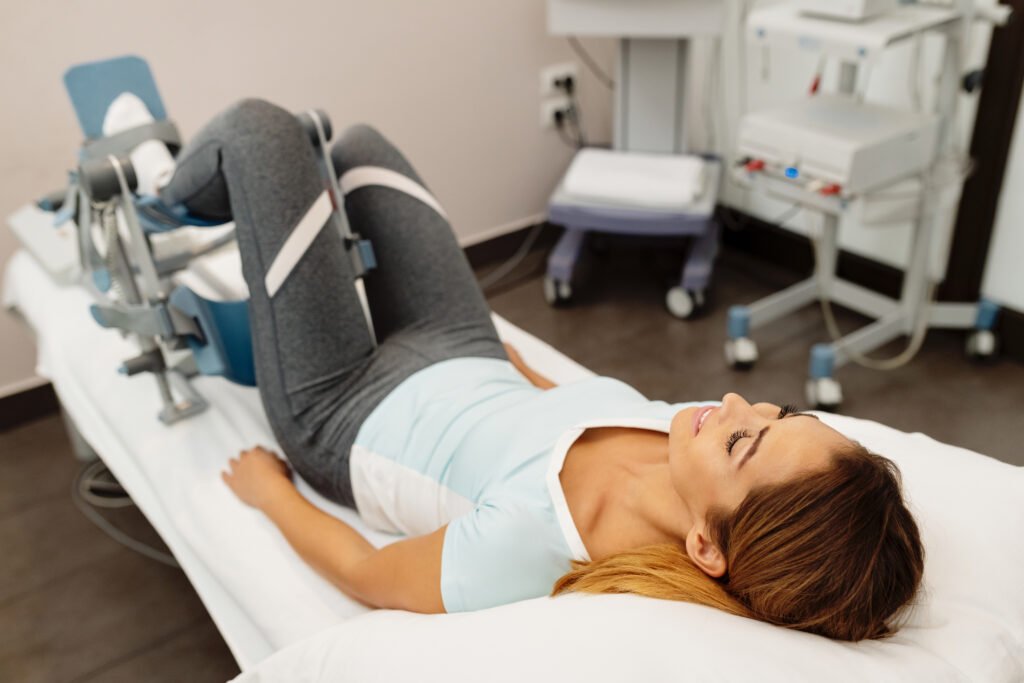
Physiotherapy: The Key to a Full Recovery
Physiotherapy is not optional after pelvic fracture surgery. It is the single biggest factor separating patients who recover fully from those left with long-term stiffness or a limp.
A typical physiotherapy plan includes:
- Gentle range of motion exercises in the first few weeks
- Progressive weight bearing exercises as the bone heals
- Core and hip strengthening to support the pelvis
- Balance and gait training to restore a natural walking pattern
- Functional training for daily tasks like climbing stairs
Quick Recovery Checklist for Patients
- Attend every physiotherapy session, even when pain improves
- Take prescribed blood thinners exactly as directed
- Avoid putting weight on the affected leg until cleared by your surgeon
- Eat a protein and calcium rich diet to support bone healing
- Report any sudden swelling, redness, or breathlessness immediately
Choosing the Right Orthopedic Hospital in Kota for Pelvic Fracture Treatment
Recovery outcomes after pelvic fracture surgery depend heavily on surgical precision and the quality of post-operative rehabilitation support. When looking for Pelvic Fracture Treatment in Kota, choose a team with hands-on experience managing both simple and complex pelvic injuries.
Niramaya Hospital is recognized among Trusted Pelvic Fracture Specialists in Kota for combining advanced fixation techniques with structured physiotherapy support. As a Kota best orthopedic doctor led facility, we work with each patient to set realistic recovery milestones and adjust the rehabilitation plan as healing progresses.
How Niramaya Hospital Supports Patients Through Pelvic Fracture Recovery
Pelvic injuries can be frightening, both physically and emotionally, especially when they follow a serious accident. At Niramaya Hospital, our team explains each stage of pelvic fracture surgery recovery in plain language, so patients and families always know what to expect next.
We also work closely with physiotherapists from day one, rather than treating rehabilitation as an afterthought. This coordinated approach between surgery and physiotherapy is a major reason patients across Kota choose us for Pelvic Fracture Treatment in Kota.
Every recovery plan we create factors in the patient’s age, bone health, and lifestyle, since a factory worker and a retired grandparent will not follow the same rehabilitation timeline. This personalized approach reflects our broader commitment as a Kota best orthopedic doctor led facility to treat the person, not just the fracture.
Frequently Asked Questions About Pelvic Fracture Surgery Recovery
1. How long does it take to walk again after pelvic fracture surgery?
Most patients begin walking with crutches or a walker within 6 to 12 weeks, once the bone shows early signs of healing on X-ray.
2. Is pelvic fracture surgery recovery different for elderly patients?
Yes. Elderly patients often need nine to twelve months for full recovery due to slower bone healing and a higher risk of complications from prolonged bed rest.
3. When can I return to work after pelvic fracture surgery?
Patients with desk jobs may return in three to four months, while those with physically demanding jobs often need six months or longer, depending on healing progress.
4. Is physiotherapy necessary after pelvic fracture surgery?
Yes. Physiotherapy is essential for regaining strength, balance, and a normal walking pattern. Skipping it significantly increases the risk of long-term stiffness or limping.
5. What are the warning signs of a complication during recovery?
Sudden leg swelling, redness, breathlessness, fever, or increasing pain at the surgical site should be reported to your orthopedic surgeon immediately, as these can indicate infection or a blood clot.
Conclusion
Recovery after pelvic fracture surgery is a gradual process that typically spans four to nine months, depending on the fracture’s severity and the patient’s overall health. With the right surgical care, consistent physiotherapy, and regular follow-up, most patients return to their normal daily activities with confidence.
If you or a loved one has suffered a pelvic injury, do not delay treatment. Consult Niramaya Hospital, a Kota best orthopedic doctor led center recognized for Pelvic Fracture Treatment in Kota, and get a personalized recovery plan built around your specific injury. Call us today or visit our clinic to schedule a consultation with our orthopedic surgeon in Kota.