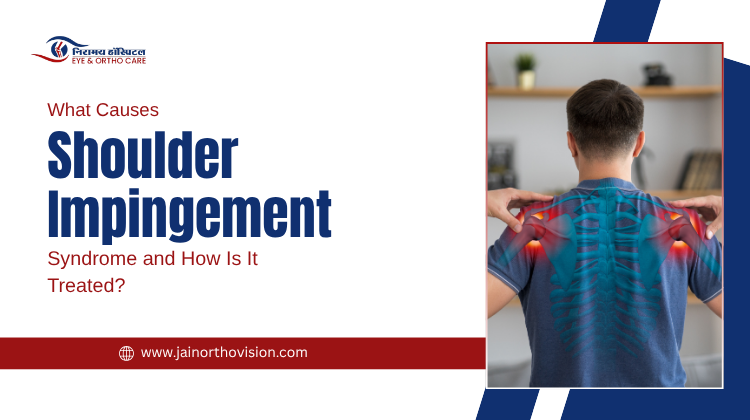

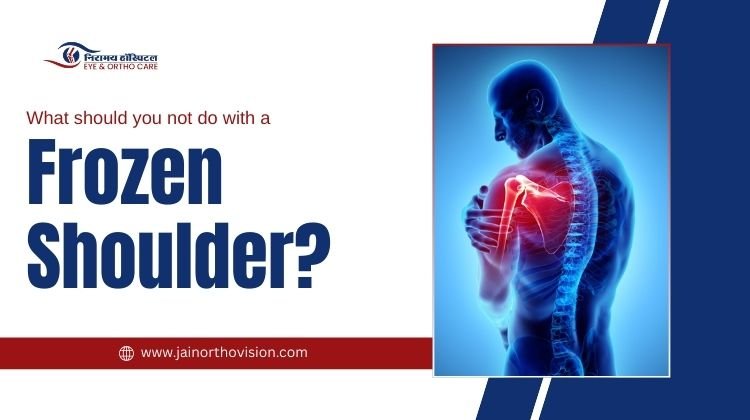
Frozen shoulder is a condition that causes pain and stiffness in the shoulder joint. It usually develops slowly and may make everyday activities difficult. Many people first notice mild discomfort, but over time the shoulder becomes stiff and painful. Early understanding of the condition and proper care through Frozen Shoulder Treatment In Kota can help prevent worsening symptoms. When the shoulder capsule becomes tight and inflamed, it limits the ability to move the arm normally.
Patients often ask what activities they should avoid during recovery. Knowing what activities you should avoid with frozen shoulders helps protect the shoulder from further damage. Many people unknowingly make mistakes such as forcing the arm to move, lifting heavy items, or ignoring pain signals. These actions can increase inflammation in the shoulder joint and slow the healing process.
Frozen shoulders can also cause limited shoulder movement, shoulder joint stiffness, and pain while moving. These symptoms usually worsen if proper care is not followed. Learning safe habits and understanding mistakes to avoid during frozen shoulder recovery are important steps toward healing.
Understanding Early Symptoms with a Frozen Shoulder Specialist in Kota
Frozen shoulders usually begin with mild pain and stiffness in the shoulder joint. Over time the movement of the arm becomes limited and daily tasks like dressing, reaching, or lifting objects become difficult. Consulting a Frozen Shoulder Specialist in Kota helps identify these symptoms early and prevents the condition from worsening.
Early diagnosis is important because frozen shoulder progresses slowly. Specialists evaluate the shoulder joint and identify signs such as limited shoulder movement and shoulder joint stiffness. Recognizing these symptoms early allows proper treatment to begin.
Common symptoms include:
• Difficulty lifting the arm above shoulder level
• Pain while moving shoulder during simple tasks
• Increasing stiffness over time
• Reduced ability to rotate the shoulder
• Discomfort during sleep
These signs indicate developing Frozen Shoulder Symptoms that require attention. Ignoring them can lead to severe stiffness and long recovery time.
Specialists also explain safe movements and restrictions for frozen shoulder patients so the joint is protected. Early consultation helps reduce inflammation and improve mobility gradually. With timely care, patients can manage symptoms and avoid long term complications.
Activities to Avoid During Frozen Shoulder Treatment In Kota
Recovery from a frozen shoulder requires careful movement and patience. Many people unknowingly perform activities that increase pain and stiffness. During Frozen Shoulder Treatment In Kota, avoiding harmful actions helps protect the shoulder joint and supports healing.
Patients should avoid movements that strain the shoulder or increase inflammation.
Activities to avoid include:
• Lifting heavy objects above shoulder level
• Sudden jerking movements of the arm
• Repetitive overhead activities
• Sleeping directly on the affected shoulder
• Ignoring pain signals during movement
These activities may increase inflammation in the shoulder joint and delay recovery. Forcing the arm to move beyond its limit is another common mistake. This can cause further irritation to the shoulder capsule.
Understanding what not to do if you have shoulder stiffness helps patients protect the joint. Doctors recommend gentle movement instead of aggressive stretching.
Avoiding harmful actions helps reduce pain and improves the success of Frozen Shoulder Treatment. Proper rest and controlled exercises allow the shoulder joint to recover safely.
Importance of Diagnosis by the Best Doctor for Frozen Shoulder in Kota
Accurate diagnosis is essential for proper treatment of frozen shoulders. Consulting the Best Doctor for Frozen Shoulder in Kota helps determine the stage and severity of the condition.
Doctors perform detailed examinations to evaluate shoulder movement and identify the cause of pain. Diagnosis may include physical examination and evaluation of shoulder joint stiffness and pain while moving the shoulder.
Important diagnostic steps include:
• Checking range of shoulder movement
• Identifying areas of pain or stiffness
• Evaluating joint flexibility
• Assessing daily movement limitations
• Reviewing patient medical history
These steps help doctors confirm Frozen Shoulder Symptoms and rule out other shoulder problems. Conditions such as tendon injuries or arthritis can sometimes appear similar.
Accurate diagnosis helps doctors create a proper treatment plan. Early medical care improves recovery and prevents further stiffness. Professional evaluation also helps patients understand how to prevent worsening of frozen shoulder pain and maintain healthy shoulder movement.
Role of Frozen Shoulder Physiotherapy in Kota in Recovery
Physiotherapy is one of the most important parts of frozen shoulder recovery. Many patients benefit from guided exercises and therapy through Frozen Shoulder Physiotherapy in Kota.
Physiotherapy helps restore flexibility and strengthen the muscles that support the shoulder joint. Controlled exercises gradually improve mobility without causing additional pain.
Benefits of physiotherapy include:
• Improved shoulder mobility exercises
• Reduced shoulder joint stiffness
• Better Shoulder Pain Management
• Increased joint flexibility
• Gradual restoration of arm movement
Physiotherapists design exercises according to the stage of the frozen shoulder. Gentle stretching helps loosen the shoulder capsule and improve range of motion.
Patients should avoid sudden or aggressive movements during therapy sessions. Slow and controlled exercises are more effective for healing. Regular physiotherapy helps improve shoulder strength and allows patients to return to normal activities over time.
Pain Control Through Frozen Shoulder Pain Relief in Kota
Pain is one of the most uncomfortable symptoms of a frozen shoulder. Proper care for Frozen Shoulder Pain Relief in Kota focuses on reducing discomfort and improving shoulder mobility.
Pain management methods help control inflammation and make daily activities easier for patients.
Common pain relief methods include:
• Anti inflammatory medication
• Heat therapy for muscle relaxation
• Gentle stretching exercises
• Activity modification
• Physiotherapy sessions
These treatments help reduce pain while moving the shoulder and support healing of the joint capsule.
Doctors also guide patients about how to prevent worsening of frozen shoulder pain by avoiding harmful activities and following proper exercise routines.
Pain relief treatments improve comfort and allow patients to perform rehabilitation exercises more effectively. Proper management of pain helps patients recover faster and regain shoulder movement gradually.
Advanced Care with Advanced Frozen Shoulder Treatment Kota
Severe frozen shoulder cases may require specialized treatment. Medical facilities offering Advanced Frozen Shoulder Treatment Kota provide modern techniques to manage complex shoulder stiffness.
Advanced treatments focus on restoring joint flexibility and reducing inflammation in the shoulder capsule.
These treatments may include:
• Advanced physiotherapy techniques
• Image guided treatments
• Specialized rehabilitation programs
• Joint mobility therapies
• Pain management procedures
These approaches help improve shoulder joint stiffness and restore movement in difficult cases.
Doctors also educate patients about safe movements and restrictions for frozen shoulder patients so that recovery continues smoothly. Modern treatment methods help reduce long term pain and improve the success of recovery.
Care for Shoulder Joint Pain and Stiffness Care in Kota
Frozen shoulder is one of the most common causes of shoulder stiffness and limited movement. Treatment for Shoulder Joint Pain and Stiffness Care in Kota focuses on improving joint mobility and reducing inflammation.
Medical care includes diagnosis, physiotherapy, and lifestyle guidance.
Important treatment components include:
• Diagnosis of underlying shoulder problems
• Exercises for improved flexibility
• Strengthening muscles around the shoulder
• Monitoring recovery progress
• Preventing future stiffness
These treatments support Orthopedic Shoulder Care and improve shoulder health.
Patients also learn safe daily habits such as maintaining proper posture and avoiding sudden shoulder movements.
Consistent treatment helps restore shoulder mobility and reduce pain.
Care through Frozen Shoulder Diagnosis Treatment in Kota
Accurate diagnosis is necessary to determine the stage of frozen shoulder. Medical care for Frozen Shoulder Diagnosis and Treatment in Kota focuses on identifying the condition early and starting appropriate therapy.
Doctors evaluate shoulder movement and check symptoms such as limited shoulder movement and persistent stiffness.
Diagnostic evaluation may include:
• Physical examination of shoulder mobility
• Identification of pain areas
• Evaluation of stiffness severity
• Assessment of daily movement limitations
• Monitoring treatment progress
These evaluations help confirm Frozen Shoulder Treatment needs and guide therapy decisions.
Early diagnosis improves recovery time and helps patients regain shoulder movement faster.
With proper treatment and rehabilitation, most patients experience gradual improvement in shoulder mobility.
FAQs About Frozen Shoulder Treatment
1. Does a frozen shoulder ever go back to normal?
Yes, frozen shoulder usually improves gradually with treatment, physiotherapy exercises, and proper care that restores shoulder mobility.
2. What is the fastest way to heal a frozen shoulder?
Early medical treatment, physiotherapy exercises, pain management, and avoiding harmful shoulder movements help speed recovery from frozen shoulders.
3. What is the best position to sleep in with a frozen shoulder?
Sleeping on the back or opposite side with pillow support helps reduce pressure and pain in the shoulder joint.
4. Is it okay to massage a frozen shoulder?
Gentle massage may reduce stiffness and improve blood flow but should be done carefully and preferably under physiotherapy guidance.
5. What is the root cause of frozen shoulders?
Frozen shoulder occurs when the shoulder capsule becomes inflamed and thickened, causing pain, stiffness, and limited movement.
6. What are the 3 stages of frozen shoulder?
The stages include freezing stage with pain, frozen stage with stiffness, and thawing stage where shoulder movement slowly improves.
7. Is heat good for frozen shoulders?
Yes, heat therapy helps relax muscles, improve blood flow, and reduce stiffness in the shoulder joint.
8. What can be mistaken for frozen shoulder?
Conditions like rotator cuff injury, arthritis, tendon inflammation, or nerve problems can sometimes be mistaken for frozen shoulders.
Conclusion
Frozen shoulder is a condition that can limit daily activities and cause persistent pain in the shoulder joint. The condition develops slowly and often becomes worse when patients perform activities that strain the shoulder. Understanding what actions to avoid is an important part of recovery. Avoiding heavy lifting, sudden arm movements, and repetitive overhead activities helps protect the shoulder joint.
Patients should also avoid forcing the arm to move beyond its natural range. Gentle movement and guided exercises are safer and more effective for healing. Medical care, physiotherapy, and lifestyle adjustments help restore shoulder mobility gradually.
Early diagnosis and proper treatment improve recovery outcomes. With patience and consistent care, most people regain normal shoulder movement over time. Following medical advice and avoiding harmful activities can reduce pain and help the shoulder joint recover safely and effectively.