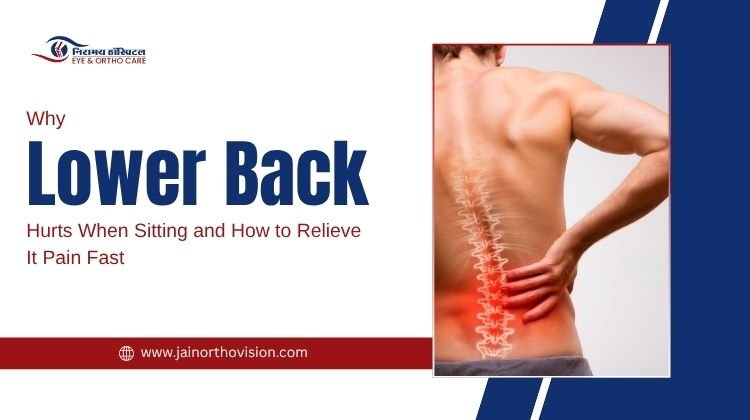
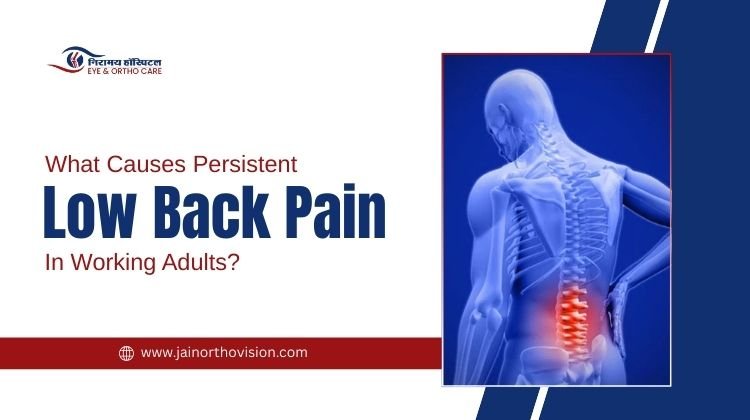
Persistent lower back pain is a common health issue among working adults today. Long office hours, poor posture, and continuous physical stress often create pressure on the lower spine. Many people start their workday feeling fine but end it with stiffness, discomfort, or pain in the lower back. Over time this small discomfort may turn into chronic lower back pain, which affects daily activities and work productivity.
Many people search for Low Back Pain Treatment in Kota or other treatment options when the pain becomes difficult to manage. Lower back pain often develops slowly due to repeated strain on muscles, joints, and spinal discs. Workplace habits such as long sitting hours, lack of movement, and poor workstation setup can make the problem worse.
The lower spine supports the body weight and helps in bending, twisting, and movement. When this part of the spine experiences pressure repeatedly, it may cause lumbar spine pain, muscle tightness, and inflammation. Working adults often ignore early symptoms such as stiffness, mild pain, or difficulty sitting for long periods.
Common Causes of Persistent Lower Back Pain in Adults
Persistent back pain usually develops due to repeated stress on the lower spine. Many daily habits slowly damage muscles, ligaments, and discs in the spine. When these problems continue for months, people often need guidance from the Best Doctor for Low Back Pain in Kota or similar specialists.
Several factors contribute to long-term lower back pain.
1. Common causes include
• Poor posture while sitting or standing
• Weak core muscles that support the spine
• Lack of physical activity during the day
• Improper lifting techniques
• Continuous bending or twisting movements
• Age related spinal changes
These conditions often lead to musculoskeletal back problems, which affect muscles, joints, and ligaments supporting the spine. Another common cause is degeneration of spinal discs. Discs act like cushions between bones of the spine. Over time they may lose flexibility and cause stiffness and pain.
2. Other factors that increase risk include:
• Obesity which increases pressure on the lower spine
• Stress which tightens muscles
• Smoking which reduces blood flow to spinal tissues
• Poor sleeping posture
When these problems are not addressed early, the pain may become chronic and affect mobility.
How Long Sitting Hours Cause Lower Back Pain
One of the biggest reasons behind modern back pain is prolonged sitting. Office workers, drivers, and people who work on computers often sit for many hours without movement. In such situations people frequently consult an Orthopedic Doctor for Low Back Pain in Kota to understand the root cause.
Long sitting hours place constant pressure on the lumbar spine. The spine naturally curves when standing, but sitting flattens this curve and increases stress on spinal discs.
Back pain due to long sitting hours can develop because of
• Poor chair support
• Slouching posture
• Screen placed at incorrect height
• Lack of breaks during work
• Weak back and core muscles
Sitting for long periods also reduces blood flow to spinal tissues. This leads to stiffness and discomfort. Many working adults experience workplace-related back strain because their work environment does not support healthy posture. Over time this repeated strain may lead to muscle fatigue, disc pressure, and nerve irritation. Even young adults who spend long hours on laptops may develop persistent back pain. Simple changes like standing breaks, stretching, and ergonomic seating can reduce the risk significantly.
Spinal Disc Problems and Lumbar Spine Pain
Another important reason behind continuous back pain is damage to spinal discs. People experiencing such issues often seek help from a Spine Specialist for Back Pain in Kota for accurate diagnosis and treatment.
Spinal discs act as cushions between the bones of the spine. They absorb shock when we walk, sit, or lift objects. However, continuous pressure may cause spinal disc issues such as bulging discs or disc degeneration.
Common symptoms of disc problems include
• Persistent lower back pain
• Pain while bending or lifting
• Pain spreading to hips or legs
• Muscle weakness
• Numbness or tingling sensation
Disc problems often develop due to repeated strain on the spine. Heavy lifting, poor posture, and long sitting hours increase the risk. When the disc loses flexibility, it cannot absorb pressure properly. This leads to lumbar spine pain and stiffness. In severe cases, the disc may press on nearby nerves and cause intense pain. Early diagnosis and proper treatment can help manage the condition effectively.
Chronic Lower Back Pain and Long Term Spinal Stress
When lower back pain continues for more than three months, it is considered chronic. Many people then start searching for Chronic Low Back Pain Treatment in Kota or other medical solutions.
Chronic pain often develops slowly due to repeated strain on the spine.
1. Common spinal problems in adults that cause chronic pain include
• Degenerative disc disease
• Muscle imbalance
• Ligament strain
• Joint inflammation
• Poor spinal alignment
These conditions are part of musculoskeletal back problems that affect the entire spinal support system.
2. Chronic pain may also develop due to lifestyle habits such as
• Sitting for more than eight hours daily
• Lack of exercise
• Poor mattress support
• Stress related muscle tension
Persistent pain can affect sleep, work performance, and daily movement. However, early diagnosis, posture correction, and strengthening exercises can help reduce the symptoms and prevent long term complications.
Treatment Options for Persistent Lower Back Pain
Treatment for long-term back pain depends on the cause and severity of the condition. Many patients visit the Back Pain Treatment Clinic in Kota to explore suitable treatment methods.
Several treatment options can help reduce pain and improve mobility.
1. Common lower back pain treatment options include
• Physical therapy exercises
• Posture correction programs
• Pain relief medications
• Heat and cold therapy
• Massage therapy
Physical therapy focuses on strengthening muscles that support the spine. Strong core muscles reduce pressure on the lower back. Lifestyle changes also play an important role in recovery.
2. Helpful changes include
• Regular stretching
• Daily walking
• Weight management
• Ergonomic workstation setup
These methods often help people manage pain without surgery. Early treatment improves recovery and prevents the condition from becoming more severe.
Non Surgical Methods for Long Term Back Pain Relief
Many working adults prefer treatments that do not involve surgery. These options are often recommended by the Best Orthopedic for Back Pain in Kota for mild to moderate cases.
Non surgical care focuses on improving spinal strength and reducing inflammation.
1. Effective non surgical treatment options include
• Targeted physiotherapy exercises
• Core muscle strengthening
• Chiropractic care
• Lifestyle and posture correction
• Yoga and stretching programs
These treatments are part of Non-Surgical Low Back Pain Treatment in Kota, which helps manage pain without invasive procedures.
Regular exercise improves flexibility and reduces stiffness in the spine.
2. Other helpful habits include
• Standing and stretching every hour
• Using lumbar support while sitting
• Maintaining healthy body weight
• Practicing stress reduction techniques
These simple steps help prevent worsening of the condition and support long term spinal health.
Advanced Solutions for Persistent Back Pain Relief
When regular treatments do not provide relief, advanced medical methods may be recommended. Many patients explore Advanced Back Pain Relief Treatment in Kota for long term pain management.
Advanced treatment options aim to target the exact cause of the pain.
Some commonly used advanced approaches include
• Image guided injections
• Targeted nerve therapy
• Advanced physiotherapy programs
• Rehabilitation therapy
These treatments are designed to reduce inflammation and restore mobility. Doctors also evaluate lifestyle habits and work environment to understand the cause of workplace-related back strain. Modern treatment approaches combine therapy, exercise, and lifestyle correction. With the right treatment plan and consistent care, many patients experience significant improvement in pain levels and quality of life.
How to Prevent Lower Back Pain at Work
Preventing back pain is often easier than treating it later. Many cases of lumbar spine pain can be avoided with small lifestyle changes.
Working adults should focus on maintaining healthy spinal habits.
1. Simple prevention tips include
• Maintain straight sitting posture
• Use ergonomic office chairs
• Take short breaks every hour
• Stretch the back and neck muscles
• Keep computer screens at eye level
Regular physical activity is also important.
2. Helpful exercises include
• Walking
• Core strengthening workouts
• Gentle yoga stretches
• Back mobility exercises
Another important step is proper lifting technique. Always bend the knees and keep the back straight while lifting objects. These small habits can significantly reduce the risk of workplace-related back strain and long term spinal issues.
FAQs About Low Back Pain Treatment
1. How to remove back pain permanently?
Regular exercise, correct posture, weight control, physiotherapy, and proper medical care help reduce and manage back pain permanently.
2. Why does my lower back always hurt?
Continuous pain may occur due to poor posture, spinal disc problems, muscle strain, weak core muscles, or long sitting hours.
3. How to relieve lower back pain immediately?
Apply heat, stretch gently, walk slowly, maintain proper posture, and rest briefly to reduce sudden lower back pain.
4. What are the big 3 for lower back pain?
The big three exercises include plank, side plank, and bird dog which strengthen core muscles and support spinal stability.
5. What naturally heals back pain?
Stretching, yoga, walking, proper posture, and anti-inflammatory foods may naturally help reduce back pain.
6. What vitamins help with back pain?
Vitamin D, vitamin B12, magnesium, and calcium help support nerve health, muscle function, and bone strength.
7. Is walking good for back pain?
Yes. Walking improves blood circulation, reduces stiffness, and strengthens muscles supporting the lower spine.
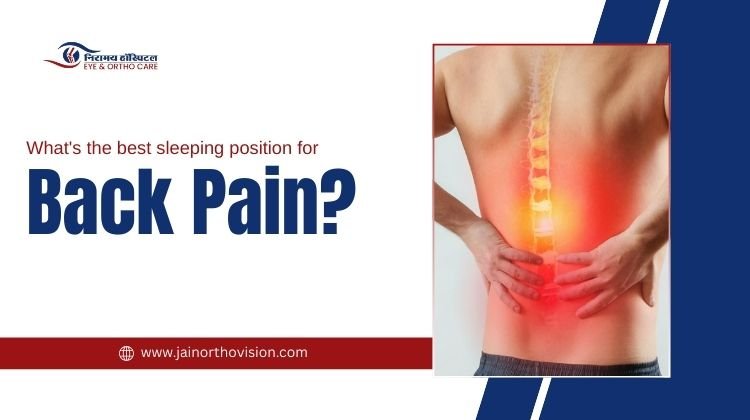
8. What is the best sleeping position for back pain?
Sleeping on the side with a pillow between the knees helps maintain proper spinal alignment.
Conclusion
Persistent lower back pain has become one of the most common health problems among working adults. Long sitting hours, poor posture, weak muscles, and spinal disc issues are some of the major reasons behind continuous back discomfort.
Ignoring early symptoms may lead to chronic conditions that affect daily activities and work productivity. Understanding the causes of back pain helps people take timely steps to prevent serious complications.
Simple lifestyle changes such as improving posture, taking movement breaks, exercising regularly, and maintaining healthy body weight can reduce pressure on the lower spine. Early diagnosis and proper treatment methods also play an important role in managing pain effectively.
Modern medical approaches now provide several options for managing back pain, including physical therapy, rehabilitation programs, and advanced treatment techniques.
Working adults should pay attention to spinal health and seek professional guidance when pain continues for a long period. Proper care, awareness, and preventive habits can help maintain a healthy and pain free spine.