
The main causes of joint pain include osteoarthritis, rheumatoid arthritis, gout, tendinitis, bursitis, and injuries from overuse or trauma. Joint pain is extremely common, affecting people of nearly every age, and pinpointing the specific cause is the key first step toward effective treatment.
At Niramaya Hospital, we see patients dealing with joint pain in the knees, shoulders, elbows, hips, and hands, each with its own underlying story. This guide walks through the most common causes, how to recognize which one applies to you, and what treatment typically involves.
Osteoarthritis: The Most Common Cause of Joint Pain
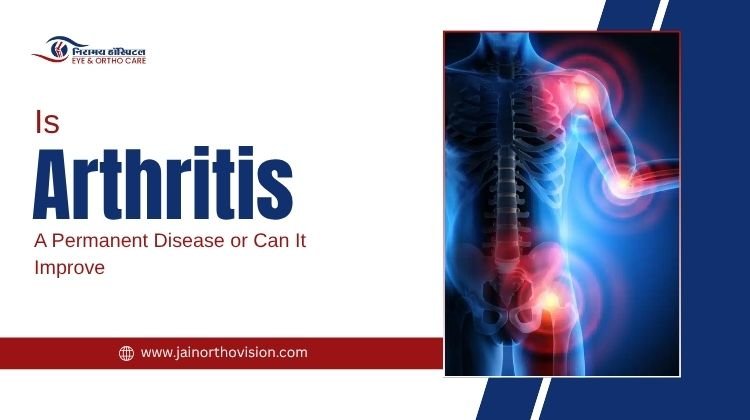
Osteoarthritis develops when the protective cartilage cushioning the ends of bones gradually wears away over time. As this cushioning thins, bones begin rubbing against each other, leading to pain, stiffness, and reduced mobility in the affected joint.
This condition tends to develop slowly, most commonly affecting the knees, hips, hands, and spine as people age. Factors like previous joint injury, excess body weight, and repeated joint overuse all contribute to how quickly cartilage breaks down over the years.
Rheumatoid Arthritis and Other Autoimmune Conditions
Unlike osteoarthritis, rheumatoid arthritis is an autoimmune condition where the immune system mistakenly attacks healthy joint tissue. This triggers inflammation that can cause pain, swelling, and eventually deformity in the affected joints if left untreated.
Rheumatoid arthritis commonly affects the hands, wrists, and feet, often in a symmetrical pattern involving both sides of the body. Other autoimmune conditions, including psoriatic arthritis and lupus, can cause similar joint inflammation through different underlying immune processes.
Gout: A Sudden and Intensely Painful Cause of Joint Pain
Gout occurs when uric acid crystals build up within a joint, most commonly the big toe, triggering sudden and severe pain, swelling, and redness. Unlike the gradual onset of osteoarthritis, gout flares tend to appear abruptly, sometimes overnight.
Dietary factors, alcohol consumption, and certain medical conditions can all raise uric acid levels and increase the likelihood of gout flares. Managing these underlying factors is often just as important as treating individual flare-ups when they occur.
Tendinitis and Bursitis from Overuse
Not every cause of joint pain involves the joint’s internal structure directly. Tendinitis, an inflammation of the tendons connecting muscle to bone, and bursitis, inflammation of the fluid-filled sacs cushioning joints, both commonly result from repetitive motion or overuse.
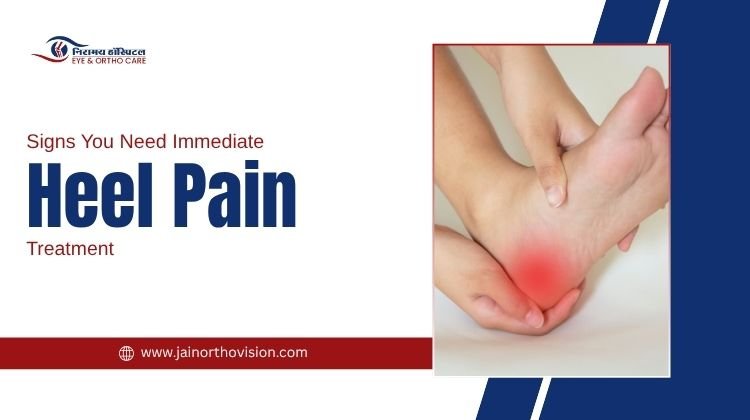
These conditions are especially common in the elbow, shoulder, and heel, often affecting people whose work or hobbies involve repeated overhead motion or strenuous physical activity. Someone dealing with persistent elbow pain from repetitive gripping motions, for example, may benefit from Tennis Elbow Treatment in Kota to address the underlying tendon inflammation directly.
Injuries as a Cause of Joint Pain
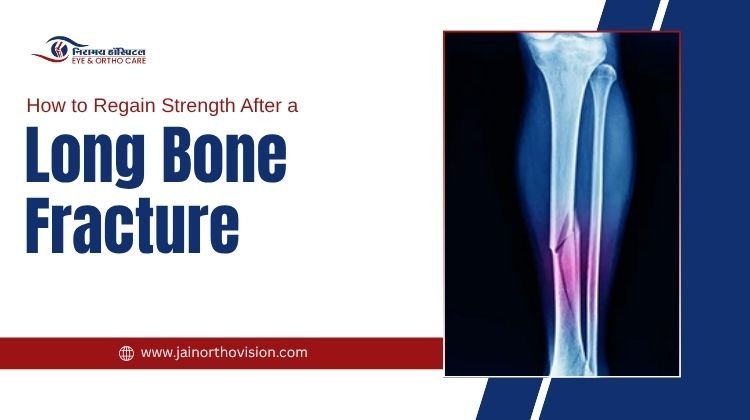
Trauma is another frequent contributor among the main causes of joint pain, ranging from minor sprains to more serious fractures or ligament tears. Sports accidents, falls, and everyday mishaps like tripping can all lead to joint damage that causes both short-term and, in some cases, longer-term pain.
Even injuries that seem minor at first, such as a sprained ankle or wrist, can develop into persistent joint pain if the underlying damage was more extensive than initially apparent. This is why joint pain following any injury deserves proper evaluation rather than being assumed to resolve on its own.
Infections and Other Less Common Causes
While arthritis, overuse, and injury account for most joint pain cases, certain infections can also trigger significant joint inflammation. Septic arthritis occurs when bacteria, viruses, or fungi enter the joint space directly, causing pain, redness, and swelling that requires prompt medical treatment.
Viral infections, including the common cold or flu, can also cause temporary joint pain that typically resolves once the underlying illness clears.
Which Joints Are Most Commonly Affected?
Joint pain can technically affect any joint in the body, but certain locations tend to be affected more frequently than others due to how much stress they bear during daily activity.
- Knees: Among the most commonly affected joints, frequently linked to osteoarthritis and overuse injuries
- Shoulders: Prone to rotator cuff issues, bursitis, and impingement, often worsened by repetitive overhead motion
- Hips: Commonly affected by osteoarthritis, particularly in older adults
- Hands and wrists: Frequently involved in rheumatoid arthritis and repetitive strain conditions
- Elbows: Susceptible to tendinitis from repetitive gripping or overhead motion
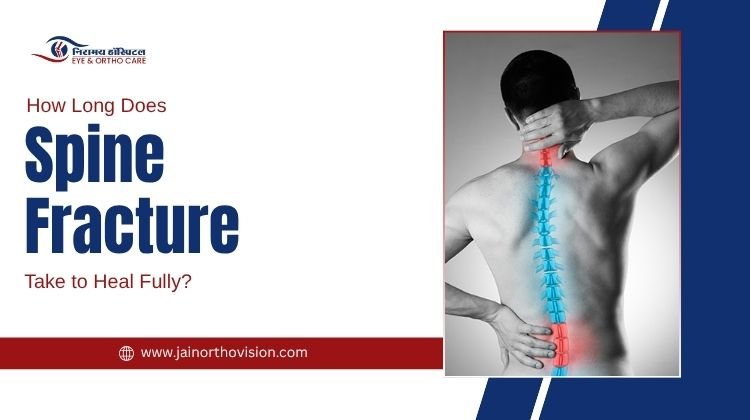
- Lower back: Though not a joint in the traditional sense, spinal joint pain is extremely common and often overlaps with other joint conditions
Recognizing which joints are affected, and whether the pain involves one joint or several, helps guide the diagnostic process considerably.
Recognizing the Pattern of Your Joint Pain
The way your joint pain behaves offers real clues about its underlying cause. Pain accompanied by significant swelling often points toward inflammatory arthritis, infection, or a recent injury.
Pain affecting multiple joints without noticeable swelling is more commonly associated with osteoarthritis. Morning stiffness that improves with movement over the course of an hour or more is a classic sign of inflammatory arthritis, while stiffness that worsens with activity throughout the day tends to point more toward osteoarthritis or mechanical wear.
How Are the Causes of Joint Pain Diagnosed?
Diagnosing the specific cause behind joint pain starts with a physical examination, where the doctor evaluates range of motion, swelling, warmth, and tenderness around the affected joint. This initial exam often narrows down the likely cause considerably.
Additional testing may be needed for a complete picture:
- X-rays reveal cartilage loss, bone spurs, or joint damage
- Blood tests help identify autoimmune markers, uric acid levels, or signs of infection
- MRI scans provide detailed images of soft tissue, ligaments, and cartilage
- Joint fluid analysis can confirm gout or rule out infection when needed
This combination of history, exam, and testing allows your doctor to distinguish between the many possible causes of joint pain accurately.
Treatment Approaches Based on the Underlying Cause
Since the main causes of joint pain vary so widely, treatment is never one-size-fits-all. The right approach depends entirely on the specific diagnosis behind your symptoms.
- Osteoarthritis: Physical therapy, weight management, medication, and in advanced cases, joint replacement
- Rheumatoid arthritis: Disease-modifying medications alongside anti-inflammatory treatment to control immune activity
- Gout: Medication to manage flares combined with dietary and lifestyle adjustments
- Tendinitis and bursitis: Rest, physical therapy, and anti-inflammatory treatment
- Injuries: Ranging from rest and bracing to surgical repair, depending on severity
For persistent knee discomfort specifically, a structured Knee Pain Treatment in Kota plan can combine several of these approaches based on the exact cause identified during evaluation.
When to See a Doctor for Joint Pain
Occasional mild joint discomfort, particularly after unfamiliar activity, often improves with rest and basic home care. However, certain signs indicate it is time to seek professional evaluation rather than continuing to manage symptoms alone.
- Pain that persists beyond a week or two despite rest
- Significant swelling, redness, or warmth around the joint
- Fever accompanying joint pain, which may suggest infection
- Joint deformity or a noticeable change in how the joint looks
- Pain that limits your ability to perform daily activities
Persistent lower back discomfort in particular deserves attention, and a comprehensive Low Back Pain Treatment in Kota evaluation can determine whether spinal joint involvement is contributing to your overall pattern of symptoms.
Why Choose Niramaya Hospital for Joint Pain Diagnosis and Treatment
Effectively addressing joint pain starts with correctly identifying which of the many possible causes applies to your specific case, since arthritis, injury, and inflammatory conditions all require distinctly different treatment approaches. Niramaya Hospital combines a thorough physical assessment with appropriate imaging and lab testing for every patient we see.
Our team includes experienced orthopedic doctors in Kota who explain exactly what is driving your joint pain and walk you through realistic treatment options based on your specific diagnosis.
For shoulder-related joint pain specifically, we provide dedicated Shoulder Pain Treatment in Kota, built around accurately identifying whether the underlying issue is rotator cuff related, arthritis related, or something else entirely.
As a trusted Kota best orthopedic doctor practice, we make sure every patient understands both the diagnosis and the reasoning behind their recommended treatment plan.
An experienced orthopedic surgeon in Kota is also available on our team for the smaller number of cases where surgical treatment genuinely becomes necessary.
Frequently Asked Questions About the Causes of Joint Pain
1. What is the most common cause of joint pain overall?
Osteoarthritis is generally considered the most common cause of joint pain, particularly in adults over 50, though the specific cause varies considerably depending on age, activity level, and overall health.
2. Can joint pain be caused by something other than arthritis?
Yes. Injuries, tendinitis, bursitis, infections, and even viral illnesses can all cause joint pain without any form of arthritis being involved at all.
3. Why does my joint pain feel worse in the morning?
Morning stiffness that improves with movement over an hour or more is a classic sign of inflammatory arthritis, while pain that worsens with activity throughout the day more often points toward osteoarthritis or mechanical strain.
4. Is joint pain always accompanied by swelling?
No. Some causes, particularly osteoarthritis affecting multiple joints, often occur without significant swelling, while inflammatory arthritis, infections, and injuries typically do cause noticeable swelling.
5. When should joint pain be treated as an emergency?
Joint pain accompanied by fever, significant swelling, redness, or warmth should be evaluated promptly, since these signs can indicate infection requiring urgent treatment rather than routine care.
Conclusion
Understanding the main causes of joint pain, from osteoarthritis and autoimmune conditions to overuse injuries and infections, is the first step toward finding effective, lasting relief. Since each cause requires a distinctly different treatment approach, an accurate diagnosis matters far more than guessing based on symptoms alone.
If joint pain is affecting your daily life, do not wait for it to worsen before seeking help. Book a consultation with Niramaya Hospital and let our experienced team identify the cause of your joint pain and build a personalized treatment plan. Call us today or visit our clinic to schedule an appointment.