
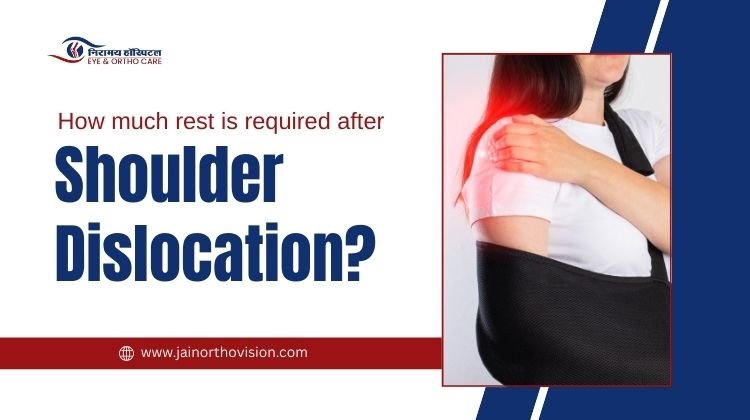
A shoulder dislocation is a painful injury that requires the right balance of rest, protection, and guided movement. At Jain Ortho, patients often ask how long they need to rest and when they can safely return to normal activities.
A 32-year-old working professional from Kota visited Jain Ortho after a sports-related shoulder dislocation. With timely reduction, structured rest, and supervised physiotherapy, he returned to work within four weeks without long-term instability. This highlights why correct rest duration matters.
Understanding the rest period after shoulder dislocation helps prevent repeat injuries and long-term shoulder instability.
Understanding Shoulder Dislocation and Why Rest Is Critical
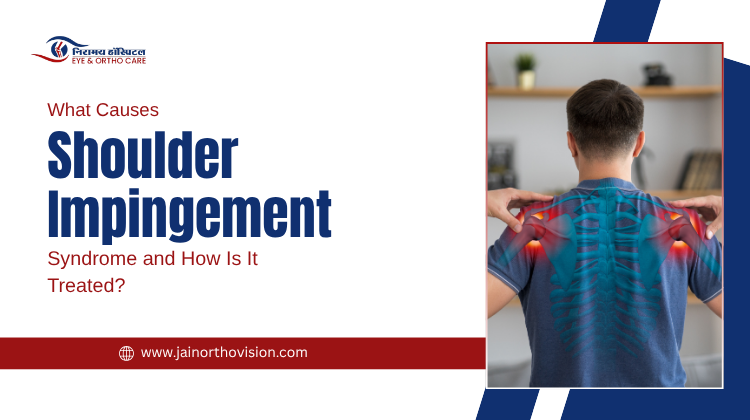
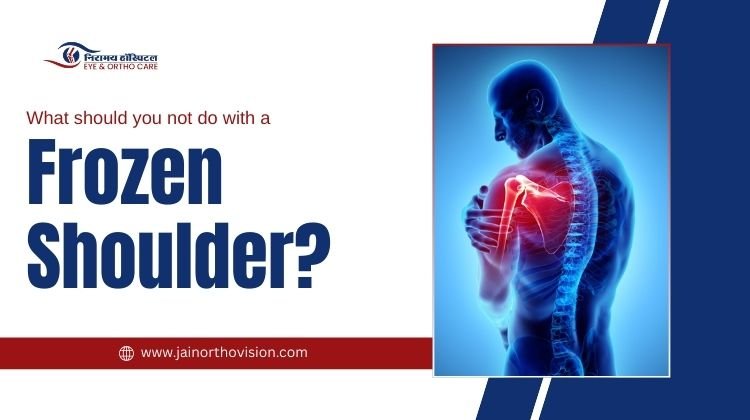
A shoulder dislocation occurs when the upper arm bone slips out of the shoulder socket. This damages ligaments, muscles, and sometimes nerves.
Rest allows healing of soft tissues and reduces swelling. Without adequate rest, the risk of recurrent dislocation increases significantly.
Patients seeking a Shoulder Dislocation Treatment Doctor in Kota are often advised to prioritize early immobilization.
How Much Rest Is Required After Shoulder Dislocation?
The required rest depends on injury severity, age, and recurrence history.
For first-time dislocations, rest typically lasts 2 to 3 weeks in a sling. Recurrent dislocations may require longer rest or surgical evaluation.
Consulting a Top Shoulder Dislocation Doctor Kota Rajasthan ensures individualized recovery planning.
Shoulder Dislocation Recovery Time Explained
The average shoulder dislocation recovery time ranges from 6 to 12 weeks.
Early rest protects injured tissues, while later movement restores strength and flexibility. Healing timelines vary between individuals.
Patients treated at Best Shoulder Dislocation Treatment in Kota benefit from staged recovery plans.
Sling Use and Immobilization Period
A sling keeps the shoulder stable during early healing.
Typical sling duration:
- First-time dislocation: 2 to 3 weeks
- Recurrent dislocation: 3 to 4 weeks
- Post-surgery: 4 to 6 weeks
An Orthopedic Doctor for Shoulder Dislocation in Kota determines the exact duration.
When Can You Start Moving the Shoulder?
- Gentle movement usually begins after the acute pain subsides.
- Passive movements start within 1 to 2 weeks. Active strengthening begins after 3 to 4 weeks.
- This phased approach reduces risks of early movement and repeat injury.
Physiotherapy After Shoulder Dislocation
Shoulder injury rehabilitation plays a crucial role in recovery.
Physiotherapy improves:
- Shoulder joint stabilization
- Muscle strength
- Range of motion
Early guidance from a Shoulder Joint Dislocation Specialist Doctor Kota improves outcomes.
Sleeping Position After Shoulder Dislocation
Sleeping correctly reduces pain and swelling.
Best practices include:
- Sleeping on the back
- Supporting the arm with pillows
- Avoiding the injured side
Patients often ask when they can sleep without a sling. This usually occurs after 2 to 3 weeks, based on healing.
Pain Relief and Swelling Control
Pain and swelling are common early symptoms.
Effective shoulder dislocation pain relief methods include:
- Ice therapy for shoulder pain
- Prescribed medications for shoulder injury
- Gentle positioning
Seek Emergency Shoulder Dislocation Treatment Kota if pain worsens.
Return to Work and Daily Activities
- Desk jobs may resume within 2 to 3 weeks. Manual labor requires 6 to 8 weeks.
- Driving is usually safe once the sling is removed and pain-free control returns.
- An Experienced Orthopedic Surgeon for Shoulder Dislocation Kota ensures safe return timelines.
Sports and Exercise After Shoulder Dislocation
- High-impact activities need gradual return.
- Push-ups and weight training usually resume after 10 to 12 weeks. Early strain increases recurrence risk.
- Athletes often require advanced care from a Shoulder Instability and Dislocation Specialist Kota.
Acute vs Recurrent Shoulder Dislocation
- Acute dislocations heal faster with rest and physiotherapy.
- Recurrent cases often need surgical evaluation. Shoulder Dislocation Surgery in Kota may be recommended for repeated instability.
- Long-term care prevents further damage.
When Is Surgery Needed After Shoulder Dislocation?
Surgery may be advised when:
- Dislocations recur frequently
- Ligament tears are severe
- Shoulder instability persists
Consult a Shoulder Injury and Dislocation Treatment Doctor Kota for evaluation.
Long-Term Shoulder Joint Care
- Long-term care includes strengthening, posture correction, and avoiding risky movements.
- Patients treated at Best Shoulder Dislocation Treatment in Kota receive preventive guidance.
FAQ’s About Shoulder Dislocation
1. How long should a dislocated shoulder?
Most patients need 2 to 3 weeks of rest, followed by guided movement and physiotherapy.
2. What should I avoid after a shoulder dislocation?
Avoid heavy lifting, overhead movements, sports, and sleeping on the injured side during early recovery.
3. How soon after dislocation can I move?
Gentle movement starts after pain reduces, usually within 1 to 2 weeks, under medical supervision.
4. Can I sleep without a sling after shoulder dislocation?
Most patients can stop using a sling while sleeping after 2 to 3 weeks, depending on comfort.
5. When can I drive after dislocating my shoulder?
Driving is safe once the sling is removed and full control returns, typically after 3 to 4 weeks.
6. How long after a dislocated shoulder can I do push-ups?
Push-ups are usually safe after 10 to 12 weeks, once strength and stability return.
7. What is the fastest way to heal a dislocated shoulder?
Early reduction, proper rest, sling use, physiotherapy, and avoiding early strain ensure faster healing.
8. Can I drive while wearing a sling?
Driving with a sling is not recommended due to reduced control and safety risks.
Conclusion
A shoulder dislocation needs the right amount of rest combined with structured rehabilitation. Rest alone is not enough, and early movement without guidance increases recurrence risk. Timely medical care, sling use, physiotherapy, and expert supervision ensure complete recovery. At Jain Ortho, patients receive personalized care plans that focus on pain relief, stability, and long-term shoulder health.