

Hip pain is a common problem that affects many adults, especially as they grow older. The hip joint is one of the largest joints in the body and plays a major role in walking, standing, and daily movement. When the hip joint becomes damaged or worn out, simple activities such as climbing stairs or sitting for long periods may become painful.
Many people start searching for information about Hip Replacement Surgery when the pain becomes constant and begins to interfere with daily life. The procedure is usually recommended when other treatments like medication, physiotherapy, and lifestyle changes no longer provide relief.
Patients experiencing severe discomfort often consult the Best Hip Replacement Surgeon in Kota, Rajasthan to understand whether surgery is the right option for them. Hip replacement surgery involves replacing the damaged joint with an artificial implant that restores movement and reduces pain.
Hip problems may develop slowly due to conditions such as hip joint degeneration, injury, or arthritis. In the early stages, symptoms may appear only during activity. However, as the joint damage increases, pain may occur even while resting.
Understanding the symptoms that indicate the need for hip replacement surgery helps patients seek timely medical care. Early diagnosis and proper treatment can significantly improve mobility, comfort, and overall quality of life.
Understanding Hip Joint Damage and Degeneration
The hip joint works like a ball and socket that allows smooth movement of the leg. Over time, the cartilage that protects this joint may wear down, causing friction and pain.
Many patients who experience long term discomfort look for the Best Hip Replacement Surgeon in Kota to evaluate their condition and suggest treatment options.
When cartilage wears away, the bones may rub against each other, leading to hip joint damage and inflammation. This process is commonly caused by osteoarthritis, injury, or age related degeneration.
1. Common causes of hip joint damage include
• Osteoarthritis
• Rheumatoid arthritis
• Previous hip injuries
• Bone fractures
• Reduced blood supply to the hip bone
These conditions often lead to advanced hip arthritis, which can severely affect mobility.
2. Symptoms may develop slowly over time.
Patients may notice
• Pain in the groin or thigh
• Stiffness in the hip joint
• Difficulty walking or standing
• Reduced range of motion
When these symptoms become severe and persistent, doctors may begin discussing the possibility of hip replacement surgery.
Signs You May Need Hip Replacement Surgery
Several symptoms indicate that hip replacement surgery may be necessary. Many people experiencing these issues search for a Top Hip Replacement Doctor in Kota Rajasthan for expert evaluation.
One of the most important warning signs is chronic hip pain that does not improve with medication or physical therapy.
1. Signs you need hip replacement surgery include
• Severe pain during walking or standing
• Pain that continues even while resting
• Difficulty climbing stairs
• Trouble getting up from chairs
• Limping while walking
These symptoms often occur due to hip mobility limitation, which restricts daily activities.
2. Other warning signs may include
• Stiffness that reduces hip movement
• Swelling or tenderness in the joint
• Pain that disrupts sleep
• Reduced ability to perform daily tasks
Doctors evaluate these symptoms carefully before recommending surgery. If conservative treatments fail to provide relief, hip replacement surgery may become the most effective solution.
Severe Hip Arthritis Symptoms That Require Surgery
Advanced arthritis is one of the leading reasons people require hip replacement. Patients experiencing severe joint problems often consult a Hip Joint Replacement Specialist in Kota for proper diagnosis.
Arthritis damages the cartilage that cushions the hip joint. When the cartilage is completely worn away, bone surfaces rub against each other. This condition causes advanced hip arthritis, which leads to severe pain and stiffness.
1. Symptoms of severe hip arthritis include
• Constant hip pain during movement
• Pain spreading to the groin or thigh
• Limited hip movement
• Difficulty standing for long periods
• Reduced ability to walk normally
These symptoms indicate severe hip joint degeneration.
In such cases, non surgical treatments may provide only temporary relief.
2. Doctors may recommend hip replacement surgery when
• Pain interferes with daily activities
• Medication no longer helps
• Physical therapy fails to improve mobility
• Imaging tests show significant joint damage
Hip replacement surgery can help restore joint function and improve mobility.
Hip Pain Treatment Options Before Surgery
Doctors usually recommend several treatment methods before considering surgery. Patients looking for treatment options often search for an Experienced Hip Replacement Surgeon Kota to discuss non surgical solutions.
Early treatment may help delay or prevent the need for surgery.
Common hip pain treatment options include
• Anti inflammatory medication
• Physiotherapy and strengthening exercises
• Lifestyle changes such as weight management
• Walking aids like canes or walkers
• Joint injections to reduce inflammation
These treatments are part of orthopedic treatment for hip pain. Physical therapy plays an important role in improving joint flexibility and muscle strength. Patients may be advised to perform exercises that strengthen the muscles supporting the hip joint. However, if pain continues to worsen and mobility becomes limited, surgery may become necessary. Doctors carefully evaluate the patient’s condition before recommending hip replacement surgery.
Hip Joint Replacement Procedure Explained
When the hip joint becomes severely damaged, doctors may recommend replacement surgery. Many patients look for Best Orthopedic Surgeon for Hip Replacement Kota to understand how the procedure works.
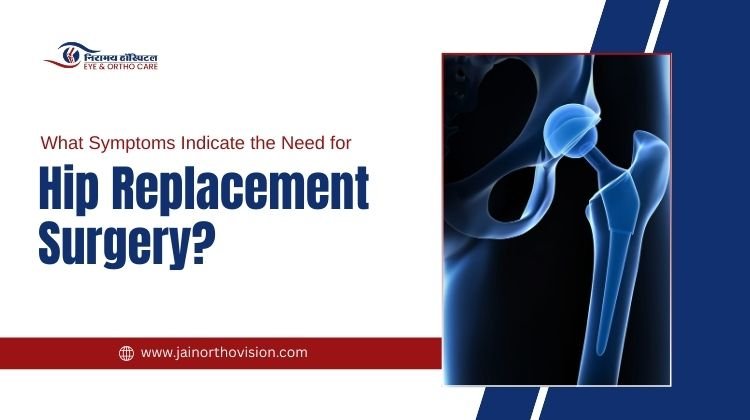
Hip replacement surgery involves removing the damaged portion of the joint and replacing it with an artificial implant.
1. The implant usually consists of
• A metal or ceramic ball
• A socket component
• A stem inserted into the thigh bone
This procedure restores smooth movement of the joint. It is part of hip joint replacement procedure techniques used to treat severe arthritis and joint damage.
2. Benefits of hip replacement surgery include
• Reduced pain
• Improved joint mobility
• Better walking ability
• Improved quality of life
Modern surgical techniques have significantly improved the safety and success rate of hip replacement procedures.
Advanced Hip Replacement Treatment Methods
Orthopedic surgery has evolved significantly with modern medical technology. Patients researching treatment options often search for Advanced Hip Replacement Treatment in Kota Rajasthan to understand the latest surgical approaches.
Today many advanced techniques are used to improve surgical outcomes.
Modern hip replacement techniques include
• Minimally invasive surgery
• Computer assisted joint replacement
• Improved implant materials
• Faster recovery rehabilitation programs
These techniques help reduce recovery time and improve joint stability. Such innovations are part of advanced orthopedic treatment for hip pain. Patients who undergo modern hip replacement procedures often experience faster recovery and better mobility. Doctors also recommend rehabilitation programs after surgery to strengthen the muscles around the hip joint. Proper rehabilitation ensures long term success of the surgery.
Choosing the Right Hip Surgery Specialist
Choosing the right orthopedic specialist is important for successful treatment outcomes. Many patients begin their search online for a Hip Replacement Doctor Near Me in Kota to find experienced surgeons.
A skilled surgeon evaluates the patient’s condition carefully before recommending surgery.
Important factors patients consider include
• Surgeon experience
• Success rate of procedures
• Modern surgical techniques
• Patient reviews and outcomes
Many patients also look for a Trusted Hip Replacement Surgeon in Kota when considering joint replacement surgery. Consulting an experienced specialist helps ensure accurate diagnosis and personalized treatment planning. Early consultation can help determine whether surgery is necessary or if non surgical treatments can still be effective.
FAQs About Hip Replacement Surgery
1. What are the signs of needing a hip replacement?
Persistent hip pain, stiffness, difficulty walking, and reduced mobility are common signs that may indicate the need for hip replacement surgery.
2. What is the 90% rule with hip replacement?
Around 90 percent of hip replacements continue to function well for more than 15 years after surgery.
3. What is the new alternative to hip replacement?
Alternatives include physiotherapy, joint injections, lifestyle changes, and hip resurfacing procedures.
4. What is the one leg test for hip replacement?
Standing on one leg helps doctors assess hip strength and stability during physical examination.
5. At what age is hip replacement not recommended?
There is no strict age limit. Doctors evaluate overall health and joint condition before recommending surgery.
6. What are the three big don’ts for a hip replacement patient?
Avoid bending the hip beyond ninety degrees, crossing legs, and twisting the hip during recovery.
7. At what stage is hip replacement recommended?
It is recommended when severe arthritis causes persistent pain and limits daily activities despite treatment.
8. What can you never do after a hip replacement?
High impact sports and extreme hip movements may be restricted to protect the artificial joint.
Conclusion
Hip pain can significantly affect daily life, especially when it becomes chronic and limits mobility. Conditions such as arthritis, injury, and joint degeneration often lead to progressive damage in the hip joint. When symptoms become severe and do not improve with medication or therapy, hip replacement surgery may be recommended.
Recognizing early warning signs such as persistent hip pain, stiffness, difficulty walking, and reduced joint movement is important. These symptoms often indicate advanced joint damage that may require surgical treatment.
Modern hip replacement procedures have become highly effective and safe. With improved surgical techniques and rehabilitation programs, many patients experience significant pain relief and restored mobility after surgery.
Consulting a qualified orthopedic specialist helps determine the most appropriate treatment plan. Early diagnosis, proper medical care, and timely treatment can greatly improve long term joint health and overall quality of life.