
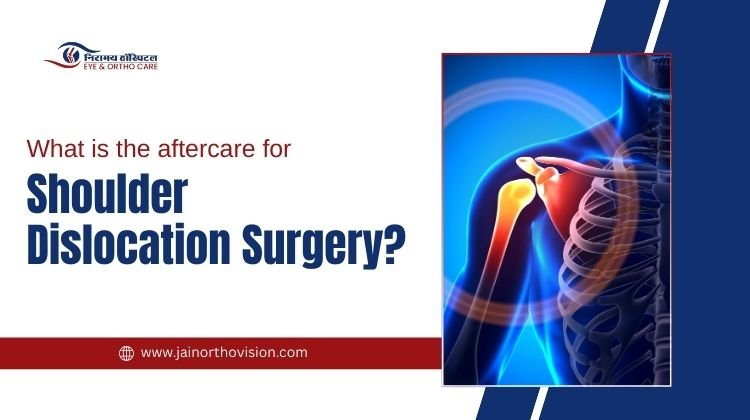
A shoulder dislocation occurs when the upper arm bone moves out of the shoulder socket. This injury can happen due to sports accidents, falls, or sudden trauma. In severe cases where the joint becomes unstable or repeatedly dislocates, doctors may recommend Shoulder Dislocation Surgery to repair the damaged ligaments and restore joint stability.
Many patients experiencing severe shoulder injuries search for a Shoulder Dislocation Treatment Doctor in Kota to understand the right treatment and recovery process. Surgery helps stabilize the shoulder joint, but proper aftercare plays a major role in successful healing.
After surgery, the shoulder needs time to heal and regain strength. Recovery usually involves rest, protective support, and guided physiotherapy exercises. Without proper care, the joint may remain weak or unstable.
The shoulder joint is the most flexible joint in the body, but this flexibility also makes it vulnerable to injuries. When ligaments or tissues around the shoulder are damaged, the joint may lose stability and require surgical repair.
Understanding the correct aftercare steps is important for faster healing and preventing future dislocations. With the right recovery plan, patients can restore shoulder movement, reduce pain, and safely return to daily activities.
Understanding Shoulder Dislocation and Surgical Treatment
Shoulder dislocation happens when the ball shaped head of the upper arm bone moves out of the shoulder socket. This injury often occurs during sports activities, accidents, or heavy impact.
Many people experiencing such injuries look for the Best Shoulder Dislocation Treatment in Kota to get proper diagnosis and treatment.
In severe cases, the ligaments and soft tissues that stabilize the shoulder become damaged. This damage can lead to repeated dislocations or chronic instability.
1. Doctors may recommend surgery when
• Shoulder dislocates multiple times
• Ligaments are severely torn
• The joint becomes unstable
• Non surgical treatments fail
These conditions are often treated by a Shoulder Joint Dislocation Specialist Doctor Kota who evaluates the severity of the injury.
Surgical treatment focuses on repairing damaged ligaments and restoring joint stability.
2. The procedure helps
• Repair torn shoulder ligaments
• Restore proper joint alignment
• Improve shoulder strength
• Reduce the risk of future dislocation
After surgery, the healing process begins and proper rehabilitation is essential for complete recovery.
Importance of Post Surgical Care After Shoulder Dislocation Surgery
Proper recovery care is very important after surgery. Patients often consult an Orthopedic Doctor for Shoulder Dislocation in Kota to receive guidance about post surgical care.
The shoulder needs several weeks to heal after surgery. During this period, protecting the joint from excessive movement is essential.
1. Doctors usually recommend
• Wearing a shoulder sling for support
• Avoiding heavy lifting
• Limiting shoulder movement initially
• Taking prescribed medications for pain
These steps support shoulder joint recovery and prevent strain on the healing tissues. Post surgical care also helps reduce swelling and inflammation. Patients may be advised to apply ice packs to the shoulder to reduce discomfort.
2. Other important aspects of recovery include
• Proper sleeping position
• Gradual return to movement
• Following rehabilitation exercises
Careful recovery ensures proper healing of ligaments and helps restore shoulder stability.
Physiotherapy After Shoulder Dislocation Surgery
Physiotherapy plays a major role in recovery. Many patients who undergo Shoulder Dislocation Surgery in Kota begin rehabilitation under professional supervision.
Physiotherapy helps restore strength, flexibility, and joint movement.
Rehabilitation programs usually start with gentle exercises.
Common physiotherapy methods include
- Passive range of motion exercises
- Shoulder stretching exercises
- Gradual strengthening exercises
- Controlled arm movements
These exercises support post-surgical shoulder rehabilitation.
- The rehabilitation process is usually divided into stages.
- The early stage focuses on reducing pain and swelling.
- The middle stage focuses on improving mobility.
- The final stage focuses on strengthening muscles around the shoulder.
Regular physiotherapy helps
- Improve shoulder flexibility
- Strengthen supporting muscles
- Restore joint stability
Proper rehabilitation reduces the risk of re-dislocation.
Recovery Timeline After Shoulder Dislocation Surgery
Recovery time may vary depending on the severity of the injury and the type of surgery performed.
Patients often consult a Top Shoulder Dislocation Doctor Kota Rajasthan to understand the expected recovery period. The healing process usually occurs in stages.
Typical recovery timeline includes
First 2 weeks
• Shoulder kept in sling
• Limited arm movement
• Pain and swelling management
3 to 6 weeks
• Gentle physiotherapy exercises begin
• Improved shoulder mobility
6 to 12 weeks
• Strengthening exercises
• Gradual return to normal activities
This recovery process supports shoulder ligament healing. Full recovery may take several months. Following medical advice and physiotherapy programs is important for safe healing.
Exercises That Help Restore Shoulder Strength
Strengthening exercises help rebuild shoulder stability after surgery. Patients recovering from Shoulder Dislocation Pain Treatment in Kota are usually guided through structured exercise programs.
Exercises help improve muscle strength and support the healing joint.
1. Common rehabilitation exercises include
• Pendulum shoulder exercises
• Wall climbing exercises
• Resistance band training
• Rotator cuff strengthening exercises
These activities support shoulder stability restoration. However, exercises should be performed carefully and gradually. Overloading the shoulder too early may cause complications. Doctors and physiotherapists usually design customized exercise plans.
2. Regular exercise helps
• Restore muscle strength
• Improve shoulder flexibility
• Prevent stiffness
• Support long term recovery
Consistent rehabilitation significantly improves surgical outcomes.
Lifestyle Tips for Faster Shoulder Recovery
Lifestyle habits play an important role in healing. Many patients consulting a Shoulder Instability and Dislocation Specialist Kota are advised to make simple lifestyle adjustments.
These habits help protect the shoulder joint during recovery.
Helpful recovery tips include
• Avoid lifting heavy objects
• Maintain proper posture
• Follow physiotherapy regularly
• Sleep in a comfortable position
These practices support orthopedic shoulder recovery care. Healthy nutrition also supports tissue repair. Foods rich in protein, calcium, and vitamins help improve healing. Patients should also avoid sudden shoulder movements. Gradual return to activities helps prevent further injury. Following these lifestyle tips helps ensure safe and effective recovery.
Preventing Future Shoulder Dislocations
Preventing future injuries is an important goal after surgery. Many patients seek guidance from an Experienced Orthopedic Surgeon for Shoulder Dislocation Kota to reduce the risk of re injury.
Prevention focuses on strengthening muscles and improving joint stability.
1. Prevention strategies include
• Regular shoulder strengthening exercises
• Avoiding high risk sports initially
• Maintaining good posture
• Practicing proper lifting techniques
These steps support shoulder rehabilitation exercises and improve joint stability. Patients should also follow regular medical checkups during recovery. Gradual strengthening and proper care help maintain long term shoulder health. With proper rehabilitation and lifestyle changes, many patients regain full shoulder function.
FAQs About Shoulder dislocation surgery
1. What is the recovery time for dislocated shoulder surgery?
Recovery usually takes three to six months depending on injury severity and rehabilitation progress.
2. What should you not do after shoulder dislocation?
Avoid heavy lifting, sudden arm movements, and sports activities during early recovery.
3. What are the side effects of shoulder dislocation surgery?
Possible effects include temporary pain, stiffness, swelling, or limited shoulder movement during recovery.
4. What is the best treatment after shoulder dislocation?
Rest, physiotherapy, pain management, and gradual strengthening exercises help restore shoulder stability.
5. Can a shoulder dislocate again after surgery?
Yes, but proper rehabilitation and strengthening exercises greatly reduce the risk.
6. Is shoulder surgery considered a major surgery?
Yes, it is a surgical procedure but modern techniques make recovery safer and faster.
7. How successful is shoulder dislocation surgery?
Most surgeries successfully restore stability and reduce repeated shoulder dislocations.
Conclusion
Shoulder dislocation surgery helps repair damaged ligaments and restore stability to the shoulder joint. However, the success of the surgery depends greatly on proper aftercare and rehabilitation.
Following medical advice, protecting the shoulder during early recovery, and participating in guided physiotherapy programs are essential steps for successful healing. Gradual strengthening exercises help rebuild muscle support around the shoulder and improve joint stability.
Patients should avoid heavy lifting, sudden movements, and strenuous activities during the recovery phase. Maintaining a healthy lifestyle and following rehabilitation exercises consistently also play an important role in long term recovery.
With proper post surgical care and structured rehabilitation, most patients regain shoulder strength and mobility. Early treatment and careful recovery significantly reduce the risk of future dislocations and help patients safely return to their normal activities.