
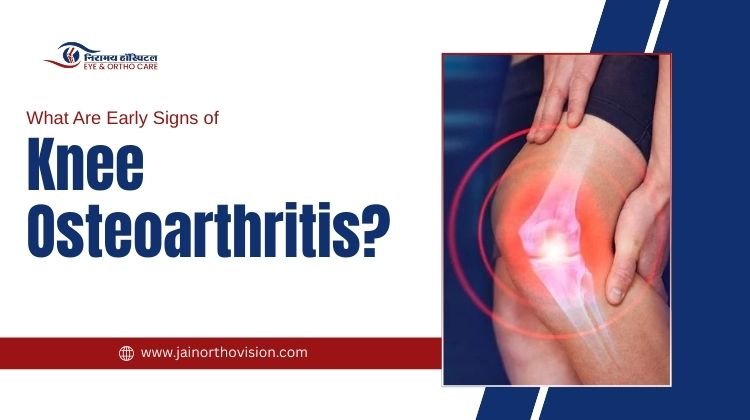
Knee Osteoarthritis is one of the most common causes of knee pain and mobility problems in adults. It happens when the protective cartilage inside the knee slowly breaks down. This leads to pain, swelling, and stiffness in the joint.
Many people ignore the early warning signs because symptoms begin slowly. At first, discomfort may appear only after long walks, climbing stairs, or standing for long periods. Over time, the pain may become more frequent and affect daily activities.
Understanding what are the early signs of knee osteoarthritis helps people seek treatment before severe damage develops. Early diagnosis allows doctors to recommend lifestyle changes, therapy, and medical treatments that slow the progression of the disease.
Knee joint degeneration and cartilage wear in the knee often begin years before severe arthritis appears. Identifying the symptoms early can protect joint health and prevent long term disability.
Many people search for professional help such as Knee Osteoarthritis Consultation Kota Rajasthan when symptoms begin affecting their quality of life. Early care focuses on reducing knee joint inflammation, preserving mobility, and strengthening the surrounding muscles.
According to the World Health Organization, osteoarthritis is one of the leading causes of disability worldwide. Early awareness and treatment can significantly reduce the impact of this degenerative knee disease.
Early Symptoms of Knee Osteoarthritis You Should Not Ignore
The early symptoms of Knee Osteoarthritis usually develop slowly. Many people experience mild discomfort that gradually becomes worse over months or years.
Recognizing early symptoms of knee osteoarthritis allows people to start treatment before the joint suffers serious damage.
Common warning signs include:
- Mild knee pain after activity
- Chronic knee stiffness especially in the morning
- A grinding or clicking feeling during movement
- Swelling around the knee joint
- Reduced flexibility or difficulty bending the knee
Pain usually starts during activities such as walking, climbing stairs, or standing for long periods. After resting, the discomfort may reduce.
Another common symptom is knee joint inflammation. The knee may appear slightly swollen or feel warm to the touch. This happens because the body reacts to joint damage.
Many people also notice reduced range of motion. Simple movements like squatting or sitting on the floor may become difficult.
Early stage arthritis can also cause:
- Weakness around the knee muscles
- A feeling that the knee may give way
- Pain after sitting for long periods
- Difficulty straightening the leg fully
People experiencing these symptoms often seek guidance from experts who provide Knee Osteoarthritis Management in Kota to diagnose the condition early.
Ignoring these symptoms can allow cartilage wear in the knee to progress faster. Early intervention helps maintain joint function and reduce long term complications.
Causes of Knee Osteoarthritis and Knee Joint Degeneration
Understanding the causes of knee osteoarthritis helps people reduce their risk. This condition develops when the cartilage inside the knee joint gradually breaks down.
Cartilage acts like a cushion between bones. When this protective layer wears away, bones rub against each other. This leads to pain, swelling, and stiffness.
Several factors can increase the risk of knee joint degeneration.
Common causes include:
- Aging
- Previous knee injury
- Excess body weight
- Repetitive stress on the knee
- Weak muscles around the joint
As people age, the natural repair ability of cartilage slows down. This makes the joint more vulnerable to damage.
Weight also plays an important role. Extra body weight increases pressure on the knee joint. This accelerates cartilage wear in the knee and increases the risk of arthritis.
Previous injuries such as ligament tears or fractures may also lead to early arthritis. Damage inside the joint can change the way the knee moves, leading to uneven pressure.
Certain occupations may also increase risk. Jobs that require frequent kneeling, squatting, or lifting heavy objects can cause joint stress over time.
People who notice early symptoms often consult specialists offering Osteoarthritis Knee Pain Treatment Kota to prevent worsening joint damage.
Genetic factors can also influence the development of degenerative knee disease. Some people inherit joint structures that are more prone to wear and tear.
Managing these risk factors early helps reduce the progression of knee pain and stiffness causes related to osteoarthritis.
How to Identify Knee Osteoarthritis in Early Stages
Many patients ask doctors how to identify knee osteoarthritis in early stages. Early diagnosis involves a combination of medical evaluation, imaging tests, and symptom assessment.
Doctors first review the patient’s medical history and daily activities. They also ask about pain patterns and stiffness.
During the physical examination, doctors check:
- Joint swelling
- Tenderness around the knee
- Range of motion
- Muscle strength
Imaging tests may be recommended to confirm cartilage wear in the knee.
Common diagnostic tools include:
- X ray imaging
- MRI scans
- Joint fluid analysis
X rays help doctors see changes in joint space and bone structure. MRI scans provide detailed images of cartilage and soft tissues.
Early stage arthritis may show only mild changes on scans. However symptoms like chronic knee stiffness and activity related pain are strong indicators.
People experiencing symptoms of knee arthritis in middle-aged adults should seek medical evaluation. Early treatment plans may include physiotherapy, weight management, and lifestyle adjustments.
Many patients choose consultation with experts providing Advanced Knee Osteoarthritis Care Kota to receive personalized diagnosis and treatment.
Early detection helps doctors create effective orthopedic care for knee arthritis that slows disease progression and protects joint health.
Knee Osteoarthritis Treatment Options for Early Stage Disease
There are several knee osteoarthritis treatment options that help control symptoms and maintain mobility. Early treatment focuses on reducing pain and preventing further joint damage.
Doctors usually recommend non surgical treatments first.
Common treatment methods include:
- Physical therapy
- Weight management
- Anti inflammatory medications
- Joint strengthening exercises
- Lifestyle modifications
Physiotherapy plays a key role in Knee Osteoarthritis Management in Kota. Strengthening the muscles around the knee improves joint stability and reduces stress on the cartilage.
Exercise programs often include:
- Quadriceps strengthening
- Low impact aerobic exercises
- Stretching routines
Weight control is another important factor. Losing even a small amount of weight can reduce pressure on the knee joint.
Doctors may also recommend supportive devices such as knee braces. These help stabilize the joint and reduce pain during movement.
Patients seeking expert care for Osteoarthritis of Knee Joint Treatment Kota may also receive advanced therapies such as:
- Platelet rich plasma injections
- Hyaluronic acid injections
- Regenerative therapy
According to the National Institutes of Health, early management of osteoarthritis significantly improves mobility and reduces pain. These treatments focus on preserving cartilage health and reducing knee joint inflammation. People looking for professional care often consult specialists known as the Best Knee Osteoarthritis Doctor in Kota for personalized treatment planning.
When to See a Doctor for Knee Osteoarthritis Symptoms
Many people delay medical attention until pain becomes severe. However knowing when to see a doctor for knee osteoarthritis symptoms can prevent serious joint damage.
You should consult a doctor if knee pain lasts more than a few weeks or keeps returning.
Warning signs include:
- Persistent swelling in the knee
- Difficulty walking or climbing stairs
- Pain during rest or at night
- Stiffness lasting more than 30 minutes in the morning
- Reduced ability to bend or straighten the knee
These symptoms may indicate progressing degenerative knee disease.
1. Early medical care allows doctors to create treatment plans that slow cartilage damage and maintain joint function.
2. Patients experiencing ongoing symptoms often seek consultation at a Knee Osteoarthritis Clinic in Kota for proper diagnosis and treatment.
3. Specialists providing Knee Osteoarthritis Specialist in Kota Rajasthan services evaluate joint health and recommend suitable therapies.
4. Early consultation helps manage knee pain and stiffness effectively before surgery becomes necessary.
5. Many patients also seek guidance from a Top Doctor for Knee Osteoarthritis in Kota to understand lifestyle changes that support joint health.
6. Prompt treatment reduces complications and helps people continue daily activities without severe discomfort.
Prevention Tips for Knee Osteoarthritis and Joint Health
Although osteoarthritis cannot always be prevented, certain habits help reduce the risk of joint damage.
Maintaining healthy knees is important for long term mobility and independence.
Key prevention strategies include:
- Maintain a healthy body weight
- Stay physically active
- Strengthen leg muscles
- Avoid repetitive knee stress
- Use proper posture during activities
Low impact exercises such as walking, swimming, and cycling help keep joints flexible without causing excessive stress. Strength training helps support the knee joint by improving muscle balance. Strong muscles reduce pressure on cartilage. People who already experience mild symptoms may seek Knee Osteoarthritis Consultation Kota Rajasthan to learn preventive care strategies. Preventive care programs offered through Advanced Knee Osteoarthritis Care Kota often include lifestyle guidance and physical therapy. Regular health checkups also help detect early signs of knee joint degeneration. Taking preventive steps today can delay or reduce the severity of osteoarthritis in the future.
FAQ’s About Knee Osteoarthritis
1. What is the recovery time for dislocated shoulder surgery?
Recovery usually takes three to six months. Full strength and movement return gradually with proper rehabilitation exercises and regular follow-up care.
2. What should you not do after shoulder dislocation?
Avoid heavy lifting, sudden arm movements, contact sports, and sleeping on the injured side until the shoulder heals properly.
3. What are the side effects of shoulder dislocation surgery?
Possible side effects include pain, swelling, stiffness, infection risk, nerve irritation, or limited shoulder movement during early recovery stages.
4. What is the best treatment after shoulder dislocation?
Best treatment includes rest, shoulder immobilization, pain medicine, physical therapy exercises, and medical supervision to restore shoulder strength and stability.
5. Can a shoulder dislocate again after surgery?
Yes, in some cases shoulder dislocation may happen again, especially with high impact activities or weak shoulder muscles.
6. Is shoulder surgery considered a major surgery?
Yes, shoulder dislocation surgery is considered major because it involves repairing ligaments, stabilizing the joint, and requires recovery time and rehabilitation.
7. How successful is shoulder dislocation surgery?
Shoulder dislocation surgery is highly successful. Most patients regain shoulder stability, normal movement, and reduced risk of repeated dislocations.
Conclusion
Knee Osteoarthritis is a progressive condition that affects millions of people worldwide. It develops slowly as cartilage inside the knee gradually wears down.
Early symptoms such as mild pain, swelling, and chronic knee stiffness should never be ignored. These signs often indicate early knee joint degeneration that can worsen without treatment.
Recognizing what are the early signs of knee osteoarthritis allows patients to begin treatment before serious damage occurs. Early care focuses on reducing knee joint inflammation, strengthening muscles, and improving joint mobility.
Modern treatment options make it possible to manage symptoms effectively and maintain an active lifestyle. Patients experiencing persistent knee pain should consider seeking professional guidance through Knee Osteoarthritis Consultation Kota Rajasthan.
Specialists providing Advanced Knee Osteoarthritis Care Kota and Osteoarthritis Knee Pain Treatment Kota can help create personalized treatment plans that protect joint health.