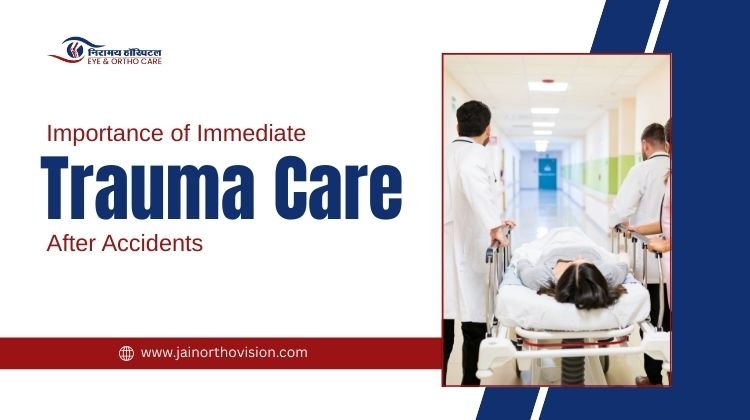
Trauma Care in the first few minutes after an accident can mean the difference between life and death. Road accidents, falls, workplace injuries, and sports trauma often result in multiple injuries that are not always visible immediately. Prompt medical attention helps control bleeding, protect vital organs, and prevent long-term disability.
A 29-year-old male involved in a road accident near Kota was brought to Jain Ortho Vision within 40 minutes. He had a head injury, pelvic fracture, and internal bleeding. With Emergency Polytrauma Treatment Kota, rapid stabilization, and multidisciplinary care, the patient survived without permanent neurological damage. Delayed care could have led to fatal complications.
What Is Trauma and Polytrauma Care
Trauma refers to physical injuries caused by external force. Polytrauma occurs when multiple body systems are injured simultaneously, such as head injury combined with fractures or internal bleeding.
Polytrauma Treatment & Management in Kota focuses on rapid diagnosis, stabilization, and coordinated care. It requires advanced infrastructure and experienced specialists working together.
Why Immediate Trauma Care Is Critical After Accidents
The body undergoes shock immediately after severe injury. Internal bleeding, brain swelling, and spinal damage may not show symptoms at first.
Immediate trauma care after accidents helps:
- Control life-threatening bleeding
- Maintain airway and breathing
- Prevent infection and organ failure
- Reduce long-term disability
Delay increases the risk of death and complications.
The Golden Hour Importance in Trauma Care
The first hour after an accident is known as the golden hour.
Golden hour importance in trauma care after road accidents lies in rapid intervention. Studies show survival rates improve significantly when victims receive care within this window.
During this time, trauma teams focus on:
- Airway stabilization
- Blood pressure control
- Rapid imaging
- Emergency surgery if required
This approach defines Advanced Polytrauma Care in Kota.
Common Injuries That Require Emergency Trauma Care
Accidents often cause multiple injuries that must be treated together.
Common injuries include:
- Head injury emergency care needs immediate assessment
- Fracture and internal bleeding
- Spinal injury after accident
- Chest and abdominal trauma
- Crush injuries and soft tissue damage
These require care at a Best Trauma and Polytrauma Center in Kota.
Emergency Trauma Care Protocols After Accidents
Accident trauma treatment protocols follow structured steps to save lives.
These include:
- Primary survey for life threats
- Rapid imaging and blood tests
- Surgical or non surgical stabilization
- ICU monitoring if needed
This systematic approach defines Emergency Polytrauma Treatment Kota.
Role of Multidisciplinary Trauma Teams
Effective trauma care requires teamwork.
A multidisciplinary trauma team includes:
- Orthopedic surgeons
- General and trauma surgeons
- Neurosurgeons
- Anesthetists
- Critical care specialists
Such collaboration ensures Comprehensive Polytrauma Management Kota.
Emergency Orthopedic Care After Accidents
Bone and joint injuries are common after accidents.
Emergency orthopedic care focuses on:
- Stabilizing fractures
- Preventing nerve damage
- Reducing pain and swelling
- Planning definitive surgery
Care from a Trauma & Polytrauma Specialist in Kota improves recovery outcomes.
Spinal Injuries and Immediate Trauma Response
Spinal injuries require extreme caution.
Improper handling can worsen paralysis or nerve damage. Early immobilization and imaging are essential parts of critical injury stabilization.
Immediate care prevents:
- Permanent paralysis
- Loss of bladder control
- Chronic pain
This makes early Trauma Care vital.
Head Injuries and Brain Trauma Management
Head injuries may appear mild initially but worsen rapidly.
Symptoms such as confusion, vomiting, or drowsiness require urgent attention. Post-accident medical response includes neurological monitoring and imaging.
Delays can result in brain swelling or bleeding.
Internal Bleeding and Organ Damage
Internal injuries are often silent killers.
Signs include:
- Low blood pressure
- Rapid pulse
- Abdominal pain
- Pale skin
Immediate care at a Top Hospital for Polytrauma in Kota allows early surgical intervention.
Trauma ICU Services and Critical Care
Severe trauma patients often need intensive care.
Trauma ICU services provide:
- Continuous monitoring
- Ventilator support
- Infection control
- Advanced life support
This level of care defines Advanced Polytrauma Care in Kota.
What Happens If Accident Injuries Are Not Treated Immediately
Delaying treatment can cause:
- Excessive blood loss
- Infection
- Organ failure
- Permanent disability
This explains what happens if accident injuries are not treated immediately and why emergency response matters.
When to Go to a Trauma Center After an Accident
Many people underestimate injuries.
You should seek care immediately if there is:
- Loss of consciousness
- Severe pain or deformity
- Bleeding that does not stop
- Difficulty breathing
Knowing when to go to a trauma center after an accident saves lives.
Why Choose a Dedicated Polytrauma Center
Not all hospitals are equipped for complex trauma.
A Best Trauma and Polytrauma Center in Kota offers:
- 24/7 emergency medical services
- Advanced imaging
- On-call surgical teams
- ICU and rehabilitation support
This ensures complete recovery care.
Why Jain Ortho Vision Is Trusted for Trauma Care
Jain Ortho Vision is recognized for Polytrauma Management in Kota due to its patient-first approach and experienced specialists.
Patients benefit from:
- Best Polytrauma Doctor in Kota
- Rapid emergency response
- Evidence-based protocols
- Coordinated multidisciplinary care
This builds trust and improves survival outcomes.
Recovery and Rehabilitation After Trauma
Trauma care does not end with surgery.
Rehabilitation includes:
- Physiotherapy
- Pain management
- Mobility training
- Psychological support
Early rehab improves long-term function and quality of life.
Frequently Asked Questions About Trauma Care
1. Why is it important to give first aid immediately after an accident?
Immediate first aid controls bleeding, prevents shock, stabilizes injuries, and improves survival until professional Trauma Care is available.
2. What is the importance of trauma-informed care?
Trauma-informed care prioritizes physical safety, emotional support, and dignity while reducing stress and preventing further psychological harm.
3. Why is it important to provide immediate care in emergency situations?
Immediate care prevents complications, limits injury progression, supports vital functions, and increases recovery chances during critical emergency situations.
4. How do you handle trauma after an accident?
Handle trauma by ensuring safety, seeking emergency medical help, following treatment plans, and starting rehabilitation under professional guidance.
5. What to do immediately after trauma?
Ensure scene safety, call emergency services, control bleeding, immobilize injuries, and transport the patient to a trauma center.
6. What is the trauma after an accident called?
Trauma after an accident is often referred to as physical trauma or polytrauma when multiple body systems are injured.
7. What are the best practices for trauma treatment?
Best practices include rapid assessment, stabilization, multidisciplinary care, timely surgery, and continuous monitoring in a trauma-equipped hospital.
8. How to take care after an accident?
Post-accident care involves follow-up consultations, physiotherapy, medication adherence, proper rest, and gradual return to daily activities.
9. What are the 5 signs of injury trauma?
Common signs include severe pain, swelling, bleeding, difficulty moving, loss of consciousness, or abnormal breathing patterns.
10. How to take care of an accident victim?
Keep the victim calm, avoid unnecessary movement, provide first aid, monitor vital signs, and seek immediate emergency medical care.
Conclusion
Immediate Trauma Care after accidents plays a critical role in saving lives, preventing permanent disabilities, and improving recovery outcomes. Injuries caused by accidents often involve multiple systems, making timely diagnosis and coordinated treatment essential. The golden hour is crucial for stabilizing patients, controlling bleeding, and preventing complications such as shock or organ failure. Choosing a specialized trauma center with advanced infrastructure and experienced specialists ensures comprehensive care from emergency response to rehabilitation. By acting quickly and seeking expert medical attention, accident victims can significantly improve their chances of survival, faster healing, and long-term quality of life.