Mrs. Sunita Agarwal, a 58-year-old homemaker from Kota, noticed occasional blurriness in her left eye but dismissed it as normal aging. During a routine family health checkup at Jain Ortho’s eye care center in Kota, our eye specialist in Kota discovered early-stage glaucoma that had already begun damaging her optic nerve. Thanks to timely intervention with pressure-lowering medications and laser treatment, we preserved 98% of her vision. Had she waited until symptoms worsened, irreversible blindness would have been inevitable. Today, Mrs. Agarwal visits our vision care center in Kota quarterly for monitoring and credits early detection with saving her sight.
Vision loss doesn’t announce itself with warning bells. Most serious eye conditions develop silently over months or years, destroying precious vision before you notice anything wrong. By the time symptoms appear, significant damage has often already occurred, and in many cases, that damage is permanent and irreversible.
The good news is that nearly all major causes of vision loss are preventable or treatable when caught early. Regular comprehensive eye examinations at a qualified eye care center in Kota serve as your first and most powerful defense against blindness. These examinations detect problems in their earliest stages when treatment is most effective and outcomes are most favorable.
Understanding Vision Loss and Its Causes
Vision loss encompasses any reduction in your ability to see clearly, from mild blurriness to complete blindness. The progression can be gradual or sudden, affecting one or both eyes, and may result from dozens of different conditions.
Common causes of vision loss include:
- Glaucoma causing optic nerve damage from elevated eye pressure
- Diabetic retinopathy damaging blood vessels in the retina
- Age-related macular degeneration affecting central vision
- Cataracts clouding the eye’s natural lens
- Retinal detachment separating the retina from underlying tissue
- Corneal diseases affecting the eye’s clear front surface
The eye hospital in Kota at Jain Ortho specializes in diagnosing and treating all these conditions using the latest technology and evidence-based protocols. Our multidisciplinary approach ensures comprehensive care addressing every aspect of your vision health.
According to the World Health Organization, at least 2.2 billion people globally have vision impairment, with at least 1 billion cases that could have been prevented or have yet to be addressed. This staggering statistic underscores the critical importance of accessible, timely eye care services.
The Role of Regular Eye Examinations
Comprehensive eye examinations do far more than determine if you need glasses. These detailed evaluations assess eye health, detect diseases, and establish baseline measurements for monitoring changes over time.
A complete eye examination includes:
- Visual acuity testing measuring clarity at various distances
- Refraction assessment determining prescription needs
- Eye muscle movement and coordination testing
- Peripheral vision field testing
- Eye pressure measurement screening for glaucoma
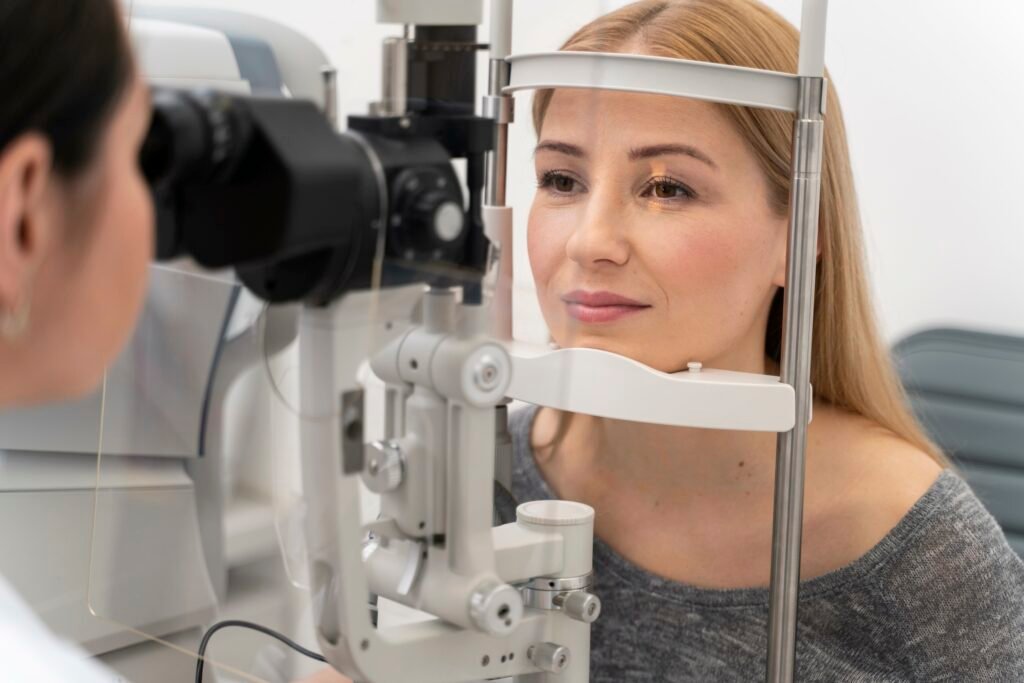
- Dilated pupil examination viewing internal eye structures
- Retinal imaging documenting the back of the eye
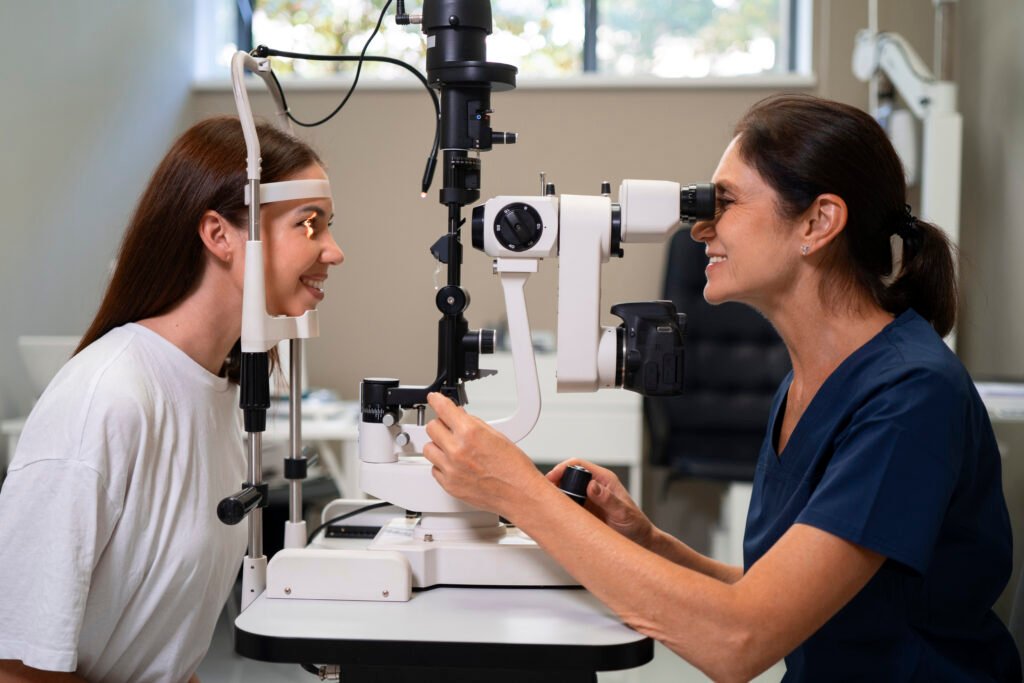
The ophthalmology clinic in Kota at Jain Ortho performs these comprehensive evaluations using state-of-the-art diagnostic equipment. Our eye doctor in the Kota team takes time to explain findings, answer questions, and develop personalized care plans addressing your unique needs.
Regular examination frequency depends on age, risk factors, and existing conditions. Children should have their first comprehensive eye exam at 6 months, again at age 3, before starting school, and then every 1-2 years. Adults with no risk factors need examinations every 2 years until age 60, then annually thereafter.
Early Detection of Glaucoma Prevents Blindness
Glaucoma, often called the “silent thief of sight,” damages the optic nerve gradually without symptoms until significant vision loss occurs. Once lost, vision from glaucoma cannot be restored, making early detection absolutely critical.
The best eye care center in Kota uses multiple diagnostic tools to detect glaucoma years before vision loss begins. Regular eye pressure measurements, optic nerve assessments, and visual field testing identify at-risk individuals who benefit from preventive treatment.
Glaucoma risk factors include:
- Age over 60 years
- Family history of glaucoma
- High eye pressure measurements
- Thin corneas
- Diabetes and high blood pressure
- Previous eye injuries or surgeries
Treatment with pressure-lowering eye drops, laser procedures, or surgery effectively prevents progression when started early. Our comprehensive eye care in Kota includes specialized glaucoma management ensuring optimal pressure control and vision preservation.
Studies published by the American Academy of Ophthalmology demonstrate that regular screening and early treatment reduce glaucoma-related blindness by over 90%. This remarkable success rate exists only when patients undergo routine examinations before symptoms develop.
Diabetic Eye Disease Requires Vigilant Monitoring
Diabetes affects blood vessels throughout the body, including the delicate vessels supplying the retina. Diabetic retinopathy progresses through stages, beginning with mild abnormalities and potentially advancing to vision-threatening complications.
The advanced eye care clinic in Kota at Jain Ortho provides specialized diabetic eye care including annual dilated examinations for all diabetic patients. Advanced retinal imaging detects the earliest changes, allowing prompt intervention preventing progression.
Diabetic eye disease management includes:
- Annual comprehensive dilated eye examinations
- Retinal photography documenting changes over time
- Fluorescein angiography imaging blood vessel abnormalities
- Optical coherence tomography detecting retinal swelling
- Laser treatment sealing leaking blood vessels
- Anti-VEGF injections reducing abnormal blood vessel growth
Early-stage diabetic retinopathy may not require immediate treatment but needs close monitoring. More advanced stages benefit from laser therapy or injections that prevent severe vision loss and blindness. The eye care center near me in Kota provides convenient access to these sight-saving treatments.
Diabetic patients who maintain good blood sugar control and undergo regular eye examinations have dramatically lower rates of vision loss compared to those who neglect their eye health. The partnership between you, your diabetes doctor, and your eye specialist in Kota optimizes outcomes.
Age-Related Macular Degeneration: Early Intervention Matters
Age-related macular degeneration (AMD) affects the macula, the central part of the retina responsible for sharp, detailed vision needed for reading and recognizing faces. AMD exists in two forms: dry and wet.
Dry AMD progresses slowly over years as retinal cells gradually deteriorate. Currently, no cure exists for dry AMD, but nutritional supplements containing specific vitamins and minerals slow progression in intermediate and advanced cases.
Wet AMD develops when abnormal blood vessels grow under the retina, leaking fluid and blood. Without treatment, wet AMD causes rapid, severe vision loss. However, anti-VEGF injections administered by our eye doctor in Kota can stabilize and sometimes improve vision when treatment begins promptly.
AMD risk factors include:
- Age over 60 years
- Family history of macular degeneration
- Smoking tobacco products
- Obesity and cardiovascular disease
- High blood pressure
- Prolonged sun exposure without protection
Regular monitoring at our vision care center in Kota allows detection of AMD progression and timely intervention when needed. The Amsler grid, a simple home monitoring tool, helps patients detect changes between appointments, enabling emergency evaluation when wet AMD develops.
Cataract Detection and Timely Surgical Intervention
Cataracts, the clouding of the eye’s natural lens, affect most people eventually. While cataracts develop gradually and aren’t sight-threatening emergencies, monitoring progression and timing surgical intervention appropriately optimizes outcomes.
Modern cataract surgery performed at our surgical eye care services in Kota restores clear vision with minimal discomfort and rapid recovery. The procedure involves removing the cloudy lens and implanting a clear artificial lens, often reducing or eliminating the need for glasses.
Signs that cataract surgery may be needed include:
- Difficulty reading or performing close work
- Trouble driving at night due to glare and halos
- Colors appearing faded or yellowed
- Frequent prescription changes that don’t help
- Daily activities becoming difficult despite glasses
The advanced eye treatment in Kota we provide includes premium lens implant options correcting astigmatism and reducing dependence on reading glasses. Your eye specialist in Kota discusses all options, helping you choose the best solution for your lifestyle and visual needs.
Delaying cataract surgery until the cataract becomes “mature” or very dense actually increases surgical risks and complicates the procedure. The ideal time for surgery is when cataracts begin interfering with activities you enjoy, not when vision becomes severely compromised.
Pediatric Eye Care Prevents Lifelong Vision Problems
Children’s developing visual systems require specialized attention. Many childhood eye conditions, if undetected, cause permanent vision impairment that could have been prevented with early treatment.
The pediatric eye care in Kota at Jain Ortho provides comprehensive examinations for children of all ages, from infancy through adolescence. Our eye doctor in the Kota team has specialized training in pediatric vision assessment and childhood eye conditions.
Common childhood eye problems include:
- Amblyopia (lazy eye) requiring patching or glasses
- Strabismus (crossed eyes) needing glasses or surgery
- Refractive errors affecting school performance
- Color vision deficiencies impacting learning
- Congenital cataracts requiring early surgery
- Retinoblastoma, a rare but serious eye cancer
Early detection and treatment of amblyopia before age 7-8 can restore normal vision. After this critical development period, treatment becomes far less effective, and vision loss may be permanent. This makes early childhood eye examinations absolutely essential.
School vision screenings, while helpful, detect only about 5% of vision problems in children. Comprehensive examinations at our eye care center in Kota provide thorough evaluation ensuring your child’s vision develops properly.
Retinal Detachment: A True Eye Emergency
Retinal detachment occurs when the retina separates from the underlying tissue, cutting off its blood supply. Without immediate surgical treatment, permanent vision loss results. Knowing the warning signs and seeking emergency care saves sight.
Retinal detachment symptoms include:
- Sudden appearance of many new floaters
- Flashes of light in peripheral vision
- Shadow or curtain blocking part of vision
- Sudden blurry vision in one eye
Anyone experiencing these symptoms should contact our eye hospital in Kota immediately for same-day emergency evaluation. Hours matter in retinal detachment cases. Prompt surgical repair performed by our experienced retinal specialists maximizes the chance of vision recovery.
Certain individuals face higher retinal detachment risk, including those with severe nearsightedness, previous eye surgery or injury, family history, or existing retinal tears. These high-risk patients benefit from regular dilated examinations at our ophthalmology clinic in Kota allowing early detection and preventive treatment of retinal tears before detachment occurs.
Protecting Vision Through Lifestyle Choices
While regular examinations form the foundation of eye health, daily habits significantly impact long-term vision preservation. Simple lifestyle modifications reduce risk for many sight-threatening conditions.
Vision-protecting habits include:
- Wearing UV-blocking sunglasses outdoors year-round
- Maintaining healthy blood pressure and cholesterol levels
- Controlling blood sugar if you have diabetes
- Eating a diet rich in leafy greens and omega-3 fatty acids
- Not smoking or quitting if you currently smoke
- Maintaining a healthy weight through diet and exercise
- Protecting eyes during sports and hazardous activities
The trusted eye care center in Kota Rajasthan at Jain Ortho provides comprehensive counseling on protecting your vision through healthy lifestyle choices. Our holistic approach addresses not just eye treatment but also prevention strategies keeping your eyes healthy for life.
Advanced Diagnostic Technology
Modern eye care relies on sophisticated technology providing detailed views of eye structures and function. These advanced diagnostics enable earlier disease detection and more precise treatment monitoring.
Our diagnostic capabilities include:
- Optical coherence tomography (OCT) creating detailed retinal cross-sections
- Fundus photography documenting the back of the eye
- Visual field testing mapping peripheral vision
- Corneal topography measuring corneal shape
- Ultrasound imaging evaluating internal structures
- Anterior segment OCT for corneal analysis
The affordable eye care treatment in Kota at Jain Ortho includes access to all these advanced technologies without excessive costs. We believe financial barriers should never prevent anyone from receiving comprehensive vision care.
When Vision Changes Require Immediate Attention
While gradual vision changes warrant scheduled examinations, certain symptoms demand immediate emergency evaluation. Knowing when to seek urgent care can mean the difference between preserved sight and permanent blindness.
Seek immediate eye care for:
- Sudden vision loss in one or both eyes
- Sudden onset of many new floaters
- Flashes of light persisting or increasing
- Eye pain with vision changes
- Trauma to the eye from any source
- Chemical exposure to the eye
- Shadow or curtain blocking vision
Our eye care center in Kota provides emergency services for urgent eye problems. Don’t hesitate to contact us immediately if you experience any of these warning signs. In eye emergencies, minutes can make the difference between recovery and permanent damage.
FAQ’s About Eye Care Center
1. How to stop vision loss?
Regular comprehensive eye examinations detect conditions early when treatment prevents progression. Control chronic conditions like diabetes and hypertension, wear UV-protective sunglasses, maintain healthy lifestyle habits, and promptly address any vision changes.
2. How to adjust to vision loss in one eye?
Adjusting requires time and occupational therapy. Use proper lighting, make depth perception adjustments, turn your head more when crossing streets, and consider low vision aids. Our rehabilitation specialists provide comprehensive support.
3. What causes temporary loss of vision in one eye?
Temporary vision loss may result from migraine, transient ischemic attack (mini-stroke), eye pressure spikes, or retinal artery spasm. Although temporary, it always requires immediate medical evaluation to prevent permanent damage.
4. Can I regain my lost eyesight?
Recovery depends on the cause and severity. Cataracts and refractive errors are correctable. Some conditions like retinal detachment may partially recover with surgery. However, vision loss from glaucoma or advanced macular degeneration is permanent.
5. What are the 7 stages of adjustment to vision loss?
The stages include trauma/denial, mourning and withdrawal, succumbing and depression, reassessment, coping, mobilization, and self-acceptance. Professional counseling and support groups help navigate this emotional journey effectively with guidance and understanding.
6. How quickly does blindness progress?
Conclusion
Progression varies by condition. Glaucoma advances slowly over years, wet AMD can cause rapid vision loss within days, diabetic retinopathy progresses gradually, and retinal detachment causes sudden blindness within hours without treatment.
Your vision is irreplaceable. Once lost, it often cannot be restored. This makes prevention through timely, comprehensive eye care not just important but absolutely essential for maintaining sight throughout your lifetime.
The eye care center in Kota at Jain Ortho stands committed to protecting your vision through advanced diagnostics, expert treatment, and compassionate care. Our experienced eye specialist in the Kota team combines decades of clinical expertise with the latest technology, providing care that meets the highest medical standards.