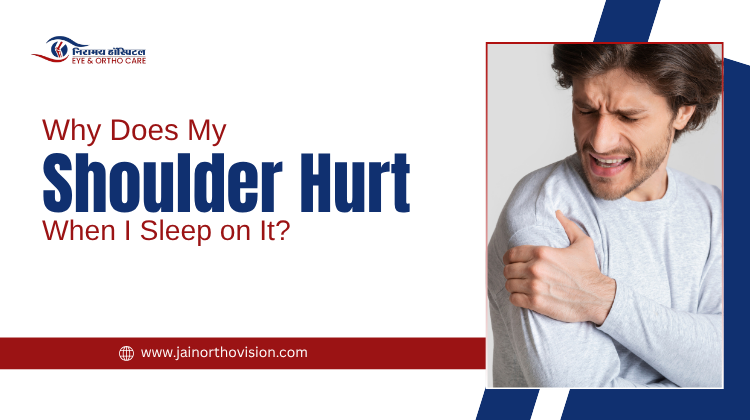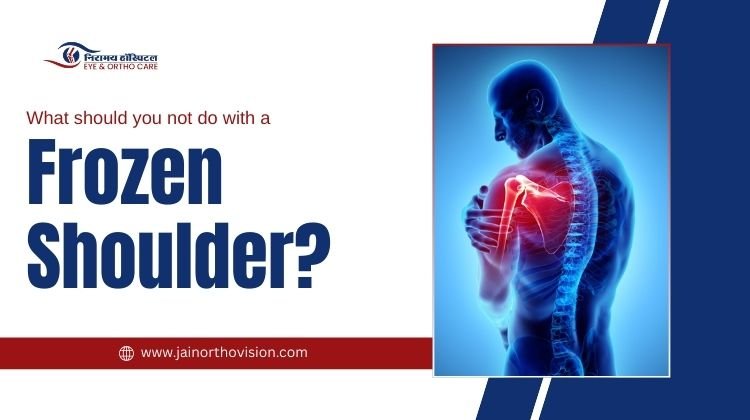

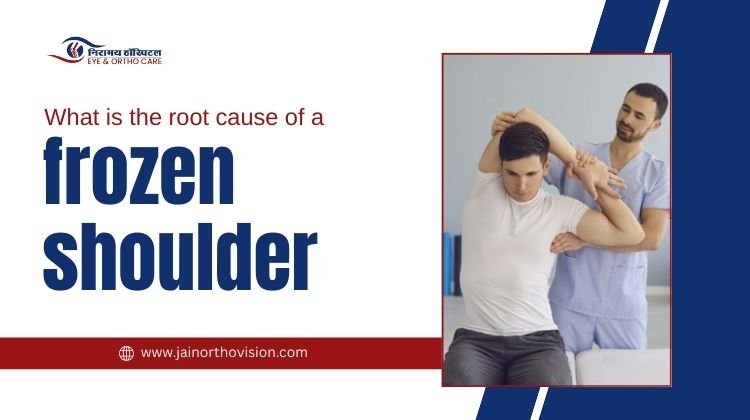
Frozen shoulder, medically known as adhesive capsulitis, is a painful condition marked by progressive stiffness and restricted shoulder movement. Many patients visiting a Frozen Shoulder Specialist in Kota report symptoms without any clear injury history.
A recent case at Jain Ortho involved a 52-year-old diabetic patient who developed severe shoulder stiffness after prolonged inactivity. Early diagnosis and structured Frozen Shoulder Physiotherapy in Kota helped restore function without surgery.
Understanding the frozen shoulder root cause is essential for timely treatment, pain relief, and preventing long-term disability. Early intervention by a Top Orthopedic Doctor for Frozen Shoulder Kota significantly improves outcomes.
Understanding Frozen Shoulder and Adhesive Capsulitis
Frozen shoulder occurs when the shoulder joint capsule becomes inflamed, thickened, and tight. This leads to pain, stiffness, and loss of motion over time.
The condition progresses slowly and often worsens before improving. Many patients seeking Frozen Shoulder Treatment in Kota experience difficulty performing daily tasks like dressing or lifting objects.
Key characteristics include:
- Progressive shoulder stiffness
- Pain at rest and during movement
- Reduced range of motion
Early evaluation at an Orthopedic Clinic for Frozen Shoulder in Kota ensures accurate diagnosis and structured care, reducing recovery time and long-term complications.
What Is the Root Cause of Frozen Shoulder?
The primary root cause of frozen shoulder is inflammation of the shoulder joint capsule. This inflammation causes fibrosis and thickening, limiting joint mobility.
Frozen shoulders can develop without injury, known as idiopathic frozen shoulders. In other cases, secondary frozen shoulders occur after trauma, surgery, or prolonged immobilization.
Common contributing factors include:
- Shoulder capsule inflammation
- Reduced joint lubrication
- Pain-related movement avoidance
Consulting a Best Doctor for Frozen Shoulder in Kota helps identify underlying triggers and initiate early treatment for better shoulder recovery.
Role of Inflammation and Shoulder Capsule Thickening
Inflammation is central to adhesive capsulitis causes. The shoulder capsule becomes thick and tight, restricting smooth joint movement.
Over time, inflammation leads to scar tissue formation. This reduces elasticity and traps the shoulder in a painful, stiff position. Patients often seek Frozen Shoulder Pain Relief in Kota during this stage.
Inflammatory changes include:
- Capsule fibrosis
- Reduced synovial fluid
- Increased pain sensitivity
Targeted treatment at an Advanced Frozen Shoulder Treatment Kota center focuses on reducing inflammation and restoring mobility safely.
Idiopathic vs Secondary Frozen Shoulder
Frozen shoulder is classified into two types. Idiopathic frozen shoulder develops without an identifiable cause. Secondary frozen shoulder results from another medical condition or injury.
Secondary frozen shoulder commonly follows:
- Shoulder surgery
- Fractures or dislocations
- Prolonged arm immobilization
Patients visiting a Frozen Shoulder Treatment in Kota clinic often fall into the secondary category. Identifying the type helps orthopedic specialists design personalized treatment plans and avoid recurrence.
Medical Conditions Linked to Frozen Shoulder
Certain medical conditions significantly increase frozen shoulder risk. Diabetes is the most common association.
Patients with uncontrolled blood sugar experience prolonged inflammation and delayed tissue healing. Thyroid disorders also affect joint flexibility and capsule health.
High-risk conditions include:
- Diabetes mellitus
- Hypothyroidism or hyperthyroidism
- Heart disease
- Parkinson’s disease
A Frozen Shoulder Specialist in Kota evaluates these systemic factors to ensure comprehensive shoulder joint pain and stiffness care in Kota.
Hormonal Imbalance and Frozen Shoulder Risk
Hormonal imbalances influence inflammation and connective tissue health. Insulin resistance and thyroid hormone irregularities are linked to increased shoulder stiffness.
Women in their forties and fifties often experience frozen shoulder during hormonal transitions. Reduced estrogen may affect joint lubrication and capsule elasticity.
Hormonal contributors include:
- Insulin imbalance
- Thyroid hormone dysfunction
- Stress-related cortisol elevation
Timely evaluation by a Top Orthopedic Doctor for Frozen Shoulder Kota helps manage both joint and hormonal contributors effectively.
Stages of Frozen Shoulder Progression
Frozen shoulder develops in three predictable stages. Each stage requires different treatment approaches.
Stages include:
- Freezing stage with increasing pain
- Frozen stage with severe stiffness
- Thawing stage with gradual recovery
Patients often delay care until stiffness becomes severe. Early intervention at an Orthopedic Clinic for Frozen Shoulder in Kota during the freezing stage shortens recovery and reduces pain duration significantly.
Why Frozen Shoulder Occurs Without Injury
Many patients ask why frozen shoulders occur without trauma. The condition often develops due to internal inflammatory processes rather than mechanical injury.
Reduced shoulder movement from sedentary lifestyle, poor posture, or systemic illness can trigger capsule tightening. Pain then causes further movement avoidance, worsening stiffness.
Early signs include:
- Night pain
- Difficulty reaching overhead
- Gradual loss of motion
Prompt consultation for Frozen Shoulder Treatment in Kota prevents progression to advanced stiffness stages.
Treatment Approach for Frozen Shoulder
Treatment focuses on pain control, inflammation reduction, and mobility restoration. Non-surgical methods are effective in most cases.
Common treatments include:
- Pain-relief medications
- Physiotherapy exercises
- Joint mobilization techniques
- Corticosteroid injections
Dedicated Frozen Shoulder Physiotherapy in Kota plays a critical role in recovery, guided by experienced orthopedic specialists.
When Is Surgery Needed for Frozen Shoulder?
Surgery is rarely required and reserved for severe cases unresponsive to conservative treatment.
Procedures may include capsular release or manipulation under anesthesia. These are performed by an Experienced Orthopedic Surgeon for Frozen Shoulder Kota.
Surgical intervention is considered when:
- Pain persists beyond six months
- Physiotherapy shows no improvement
- Daily function remains severely limited
Most patients recover fully with structured non-surgical care.
Why Early Diagnosis Matters
Delayed treatment leads to prolonged pain and stiffness. Early diagnosis shortens recovery time and reduces complications.
Benefits of early care include:
- Faster pain relief
- Improved joint mobility
- Lower surgery risk
Choosing a Best Doctor for Frozen Shoulder in Kota ensures accurate diagnosis and a patient-specific recovery plan focused on long-term shoulder health.
FAQ’s About Frozen Shoulder
1. Which doctor will treat a frozen shoulder?
An orthopedic doctor treats frozen shoulders using medications, physiotherapy, injections, and surgery if conservative treatment fails.
2. Which doctor specializes in frozen shoulders?
An orthopedic shoulder specialist diagnoses and treats frozen shoulders with advanced rehabilitation and pain management techniques.
3. What specialist deals with frozen shoulders?
Frozen shoulder is managed by orthopedic specialists trained in shoulder disorders and joint mobility restoration.
4. What is the cost for frozen shoulders?
Treatment cost varies depending on severity, investigations, physiotherapy duration, injections, and need for surgery.
5. Is frozen shoulder fully curable?
Yes, frozen shoulder is fully curable in most patients with timely treatment, physiotherapy, and orthopedic supervision.
6. Can vitamin D deficiency cause frozen shoulders?
Vitamin D deficiency may worsen pain and stiffness but does not directly cause frozen shoulders.
7. What is the root cause of a frozen shoulder?
The root cause is inflammation and thickening of the shoulder joint capsule, restricting normal shoulder movement.
8. Which tablet is best for frozen shoulders?
Pain-relieving and anti-inflammatory tablets help control symptoms but must be prescribed by an orthopedic doctor.
9. Which hormone causes frozen shoulders?
Hormonal imbalances involving insulin and thyroid hormones increase inflammation and frozen shoulder risk.
Conclusion
Frozen shoulder is a painful but highly treatable condition when diagnosed early. Its root cause lies in inflammation and thickening of the shoulder joint capsule, often linked to diabetes, hormonal imbalance, or prolonged immobility. Understanding the progression and risk factors allows timely intervention and prevents long-term stiffness. At Jain Ortho Vision, expert orthopedic care, advanced physiotherapy, and personalized treatment plans help patients regain mobility and comfort safely. If shoulder pain or stiffness persists, consulting a Frozen Shoulder Specialist in Kota ensures accurate diagnosis, effective treatment, and a faster return to normal daily activities.